
A storm knocks out power at 8 p.m., your fridge is warming up, your phone is at 12%, and you need an answer fast. In the generator vs power station decision, the right pick depends less on hype and more on what you actually need to keep running, for how long, and where you plan to use it.
For some buyers, a fuel-powered generator is the clear answer because it can run longer and handle heavier loads. For others, a portable power station makes more sense because it is quiet, simple to use, and safe for indoor-friendly charging and electronics support. If you are comparing both before you buy, the smartest move is to match the equipment to your real-world use case instead of shopping by wattage alone.
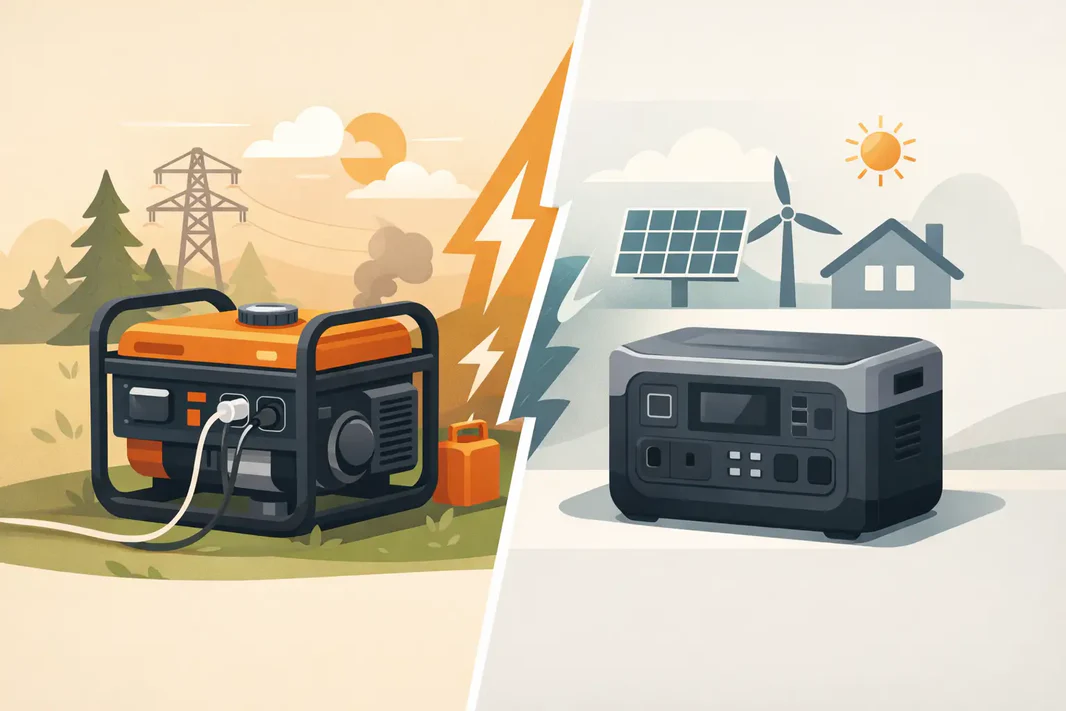
Generator vs power station: the basic difference
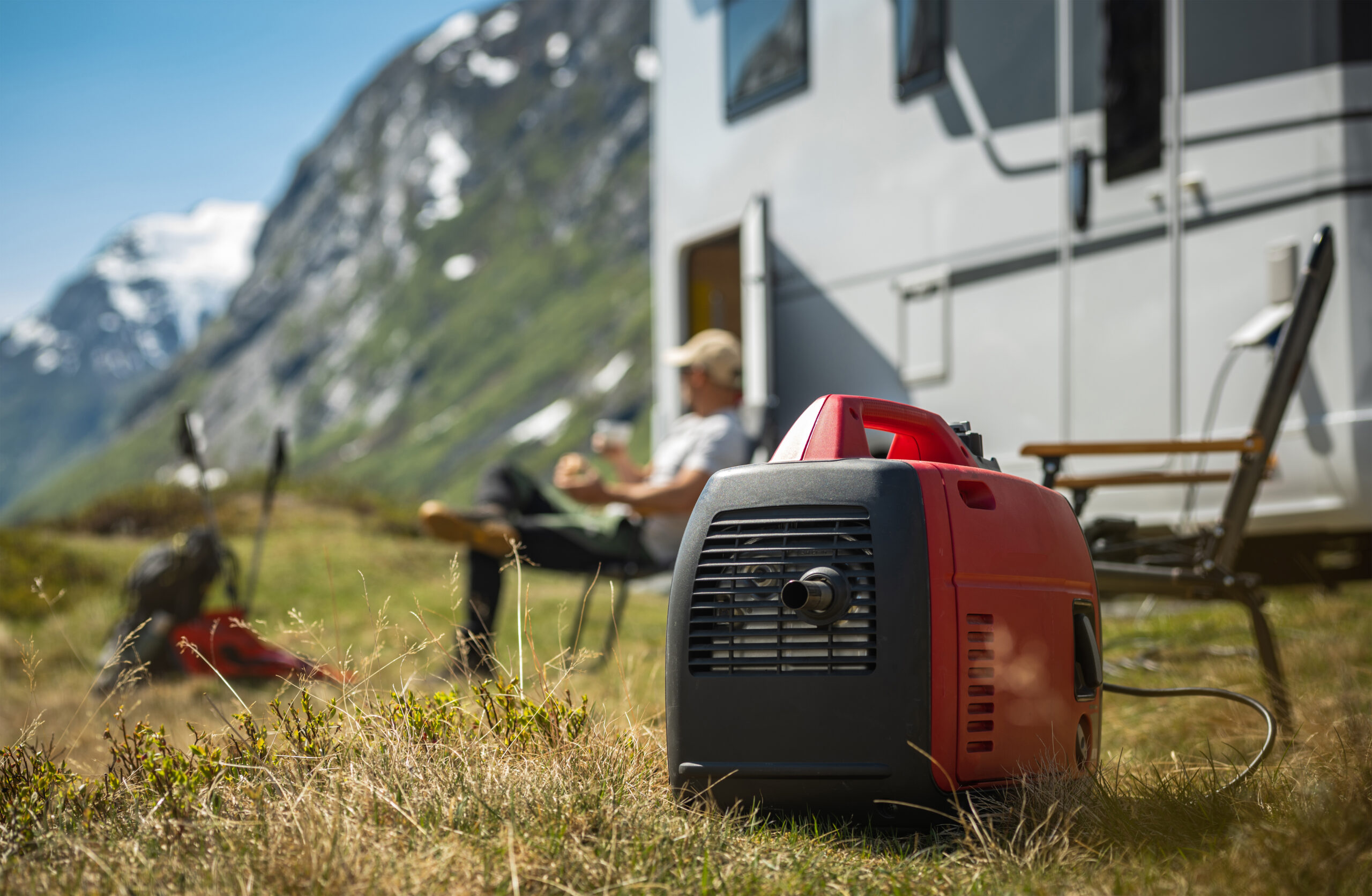
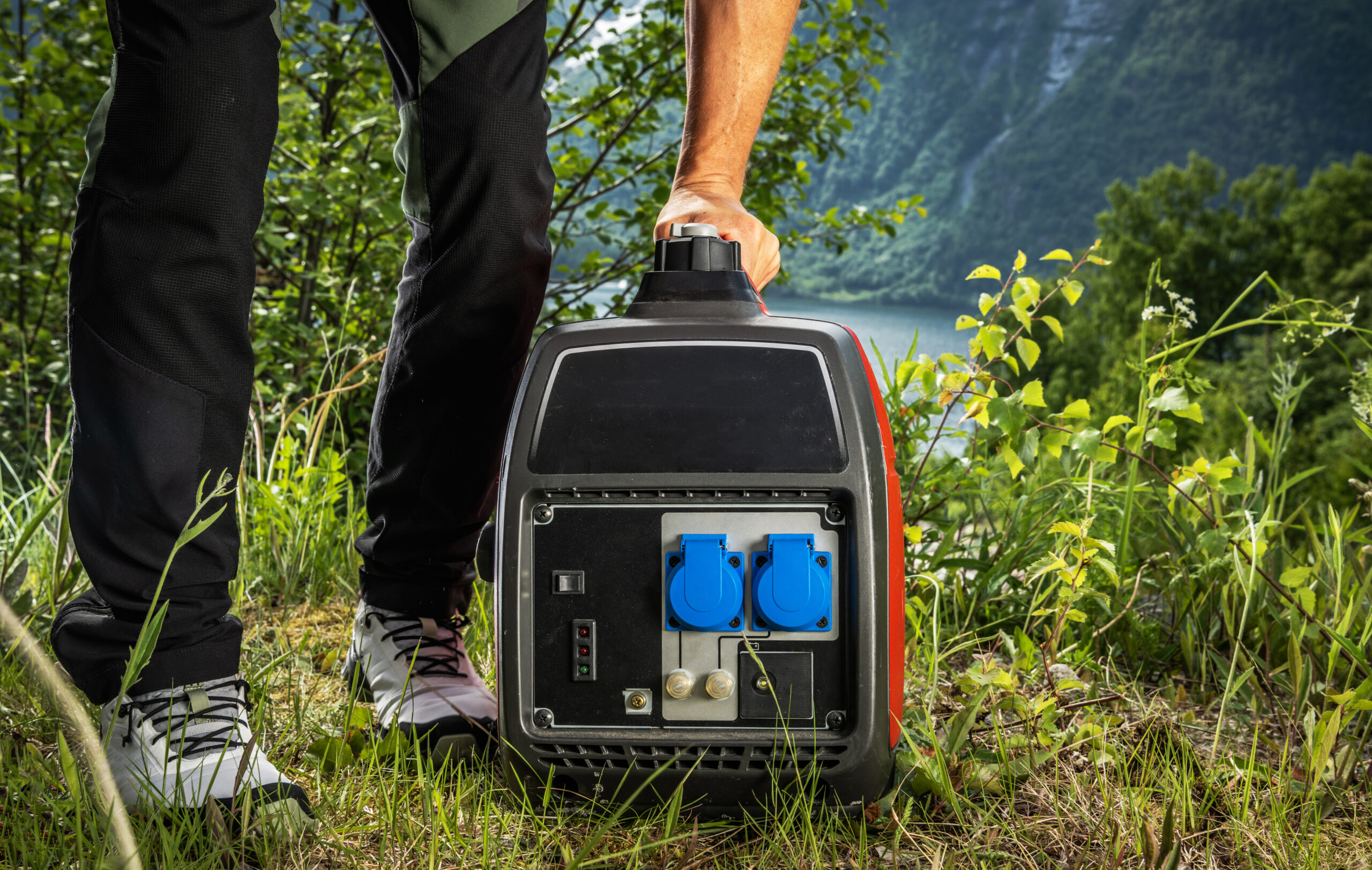
A generator makes electricity by burning fuel such as gasoline, propane, diesel, or natural gas. A power station stores electricity in a battery and delivers it through AC outlets, USB ports, and other outputs. That one difference affects almost everything else, from noise and maintenance to runtime and indoor use.
Generators are usually the better fit when you need higher surge power for appliances with motors, longer runtime with refueling, or broader backup for a home, jobsite, or RV. Power stations are usually the better fit when you want grab-and-go convenience, low noise, no fuel storage, and easy charging for phones, laptops, small appliances, CPAP machines, and similar essentials.
This is why the comparison is not really about which one is better overall. It is about which one is better for your outage plan, travel setup, or off-grid routine.
When a generator is the better choice
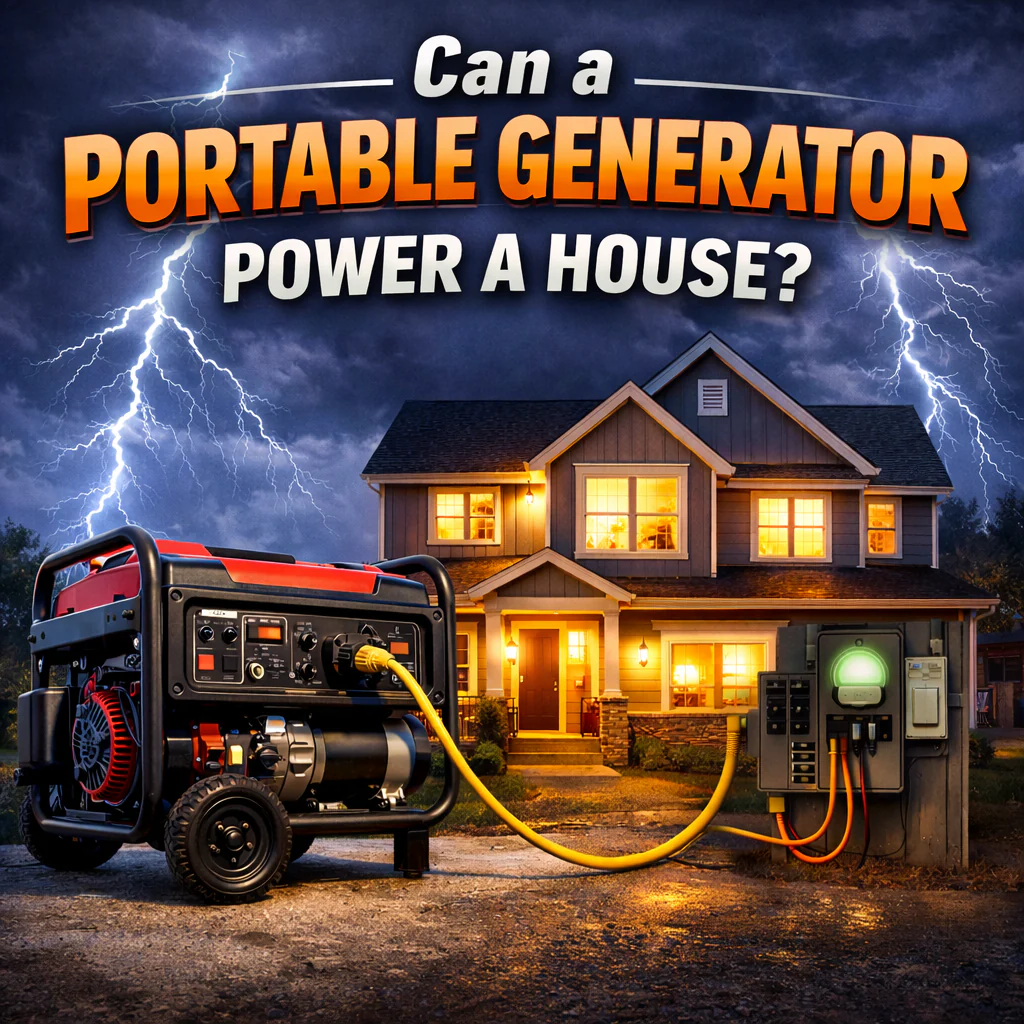
If your main concern is keeping a refrigerator, freezer, sump pump, window AC, well pump, or multiple household circuits running during an outage, a generator usually gives you more headroom. Fuel-powered units can deliver high starting watts, and as long as you have fuel available, you can keep going far beyond the fixed battery capacity of a power station.
That matters during extended outages. A power station may handle overnight essentials, but a generator can keep working for days if refueling is practical. For homeowners in storm-prone areas, that flexibility often outweighs the trade-offs.
Those trade-offs are real. Generators are louder, require ventilation, and need routine maintenance. You have to think about oil, fuel stabilizer, spark plugs, cold-weather starts, and safe placement away from windows and doors. If you want whole-home backup or serious portable output, that extra responsibility comes with the territory.
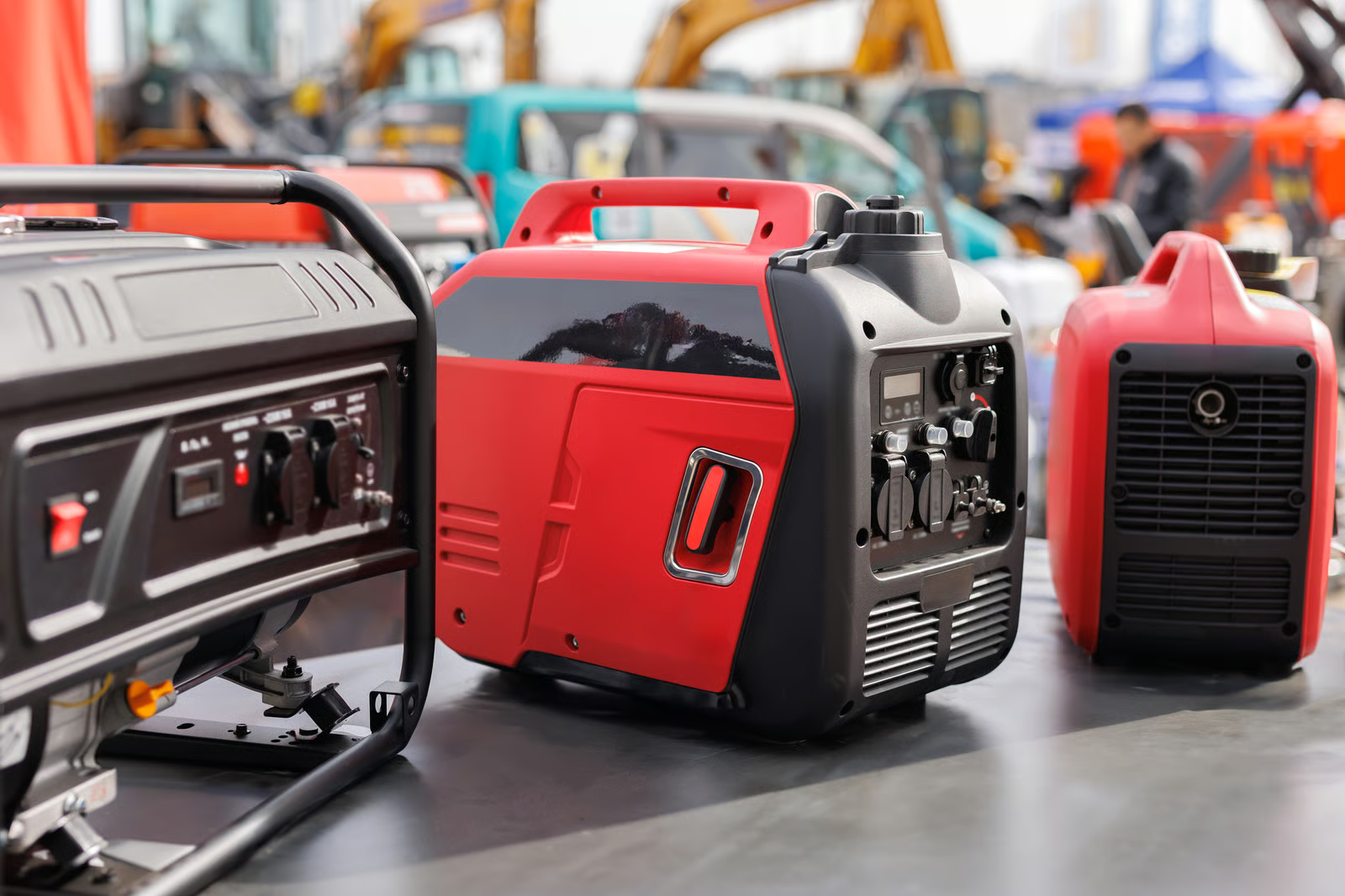
Inverter generators soften some of those downsides. They are typically quieter, more fuel-efficient, and better for sensitive electronics than traditional open-frame models. But they are still fuel-burning machines, and they still belong outdoors.
When a power station makes more sense
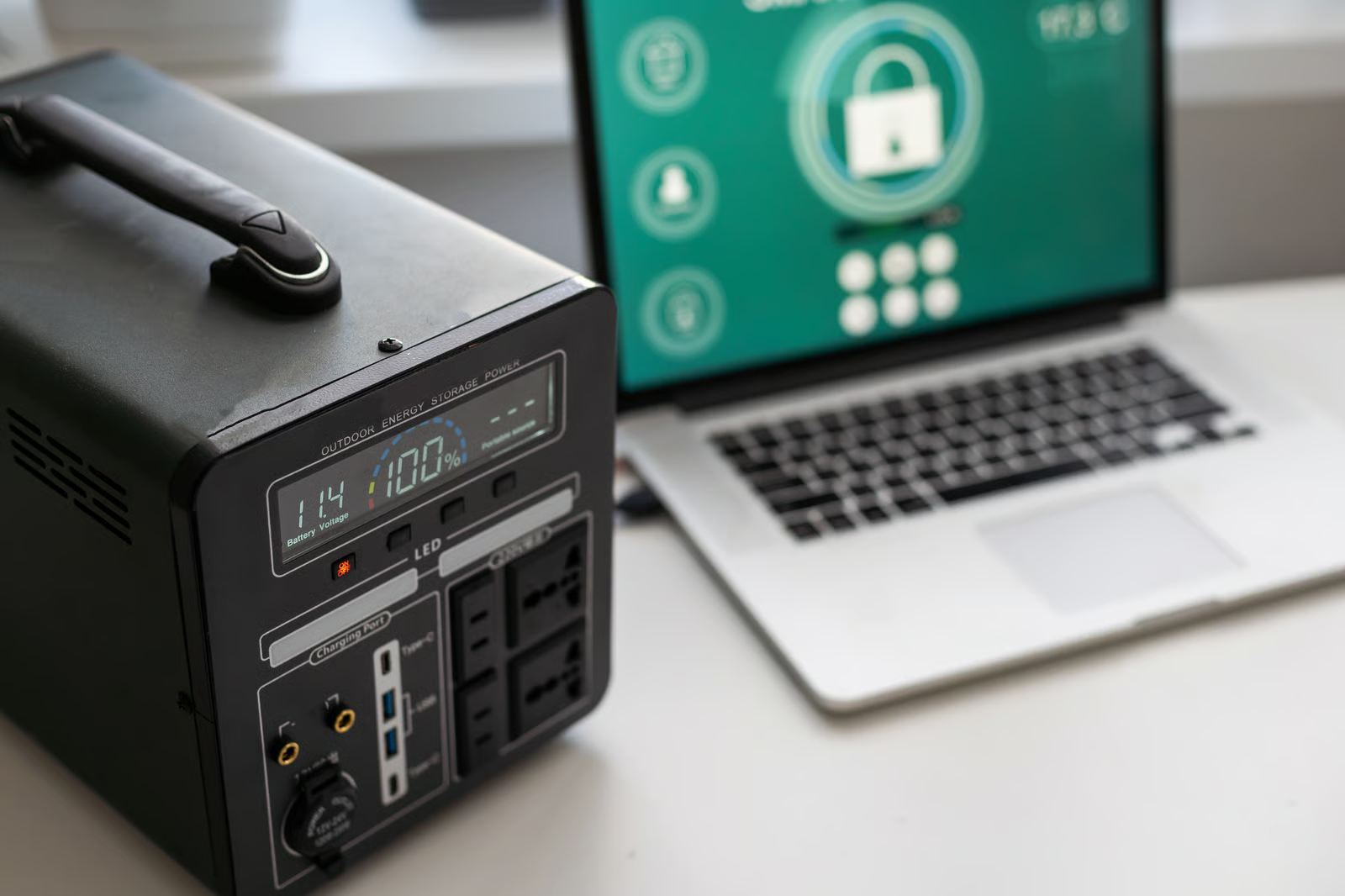
A power station is often the better buy if convenience is high on your list. There is no engine to start, no fuel to manage, and no exhaust to worry about. You charge it from a wall outlet, vehicle outlet, or solar panels, then use it where you need power.
That simplicity matters for apartment dwellers, campers, RV travelers, mobile professionals, and anyone who wants backup power without the learning curve of engine maintenance. A power station is also a strong fit for indoor backup of low-to-medium loads, especially when your priority is communications, lighting, internet equipment, laptops, medical devices, or small kitchen gear.
Noise is another major advantage. If you are camping, working remotely, or trying to sleep through an outage, a battery-powered unit is much easier to live with. It also tends to be more approachable for buyers who want emergency readiness without dealing with fuel rotation and startup procedures.
The catch is capacity. Every power station has a limit on both total stored energy and maximum output. Once the battery is depleted, you have to recharge it. If the grid is down and solar conditions are poor, recharge speed can become the deciding factor.
Power output and runtime: where buyers often misjudge the decision
The biggest shopping mistake in the generator vs power station debate is looking at one number and assuming it tells the whole story. It does not.
With generators, buyers often focus on running watts and forget startup wattage. Appliances with compressors or motors can pull a higher surge at startup than during normal operation. If your refrigerator needs a brief surge above what your unit can provide, it may not start at all even if the running watts seem fine.
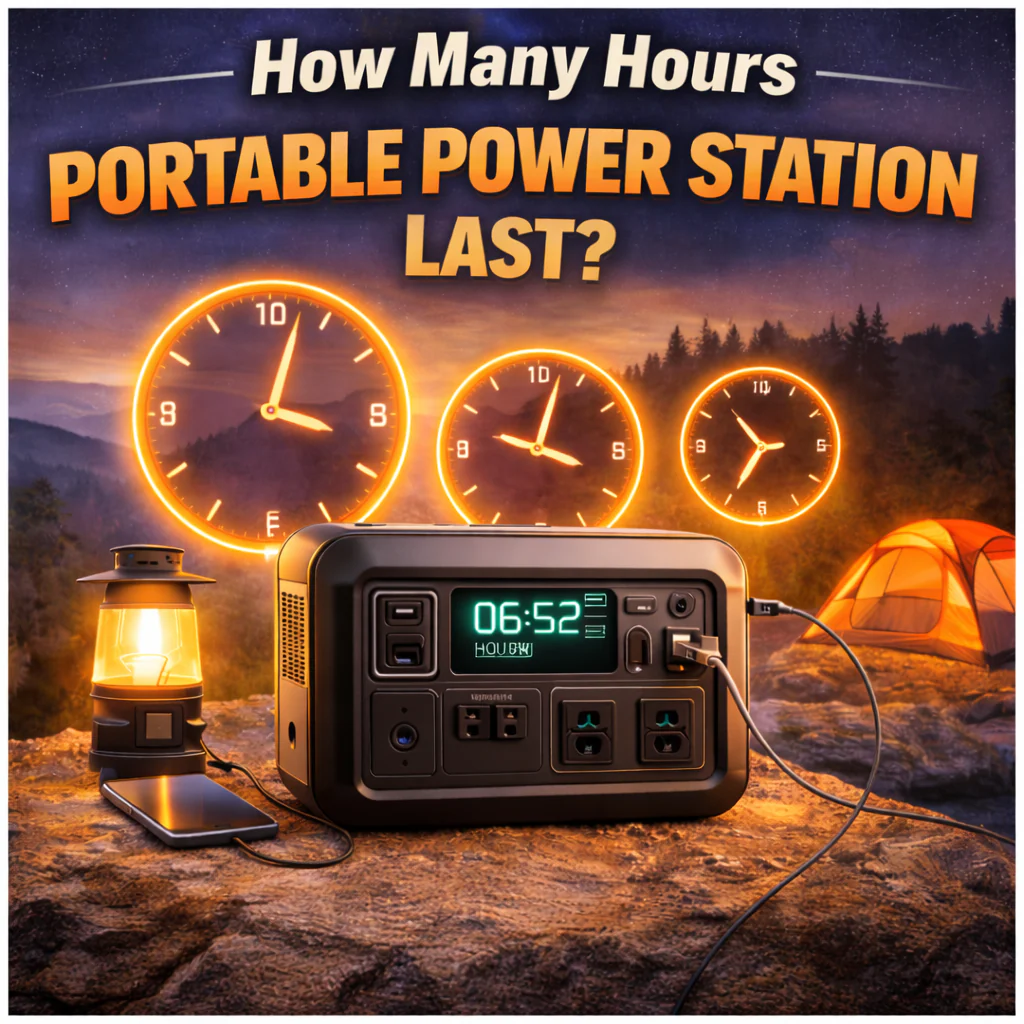
With power stations, buyers often focus on output watts and overlook battery capacity, usually measured in watt-hours. A unit may technically run your TV, router, and CPAP, but only for a limited number of hours before it needs recharging. Output tells you what it can power at one time. Capacity tells you how long it can do that.
That is why your device list matters more than broad labels like home backup or camping use. A weekend campsite setup with lights, phones, and a portable fridge is very different from a storm outage where you need a sump pump and refrigerator cycling through the night.
Fuel, charging, and long-term practicality
Fuel availability is one of the generator’s biggest strengths and one of its biggest vulnerabilities. If you have gasoline, propane, or natural gas access, a generator can be extremely practical during long outages. But if local fuel stations are down, lines are long, or safe fuel storage is limited, that advantage can narrow quickly.
Power stations flip that equation. They avoid fuel storage completely, but they rely on a charge source. For short outages, that is often no problem. For longer outages, solar charging can help, but performance depends on panel size, weather, season, and how much power you are using each day.
This is where a lot of buyers land on a hybrid view. A generator is stronger for heavy-duty and extended backup. A power station is stronger for quiet convenience and lighter-duty support. In many homes, they are not true rivals as much as complementary tools.
Cost is not just the purchase price
At first glance, comparing cost seems simple. But the better question is what your money is buying over time.
Generators often deliver more raw power per dollar upfront, especially if your goal is higher-output backup. That can make them a strong value for homeowners who need appliance support during outages. On the other hand, they come with operating costs like fuel, oil, and maintenance items.
Power stations can cost more relative to their output, but they are easier to own. There is less routine upkeep, and charging costs are generally lower than continuously buying fuel. If your backup needs are modest and your use is frequent, such as camping, tailgating, van travel, or mobile work, the convenience can justify the higher initial cost.
Battery lifespan is part of this equation too. Over years of use, battery performance gradually declines. That does not automatically make a power station a poor investment, but it does mean your buying horizon should match your expected use.
Best fit by use case
For home outage backup, a generator usually wins if you need to run larger appliances or cover longer blackouts. For apartment backup, a power station is often the practical choice because it is quiet, compact, and easier to use where fuel-powered equipment is not realistic.
For RV travel, it depends on your setup. If you need air conditioning or higher-demand appliances off-grid, a generator may still be necessary. If you mostly want to charge devices, run lights, keep a portable fridge going, and add solar charging, a power station can be a cleaner and quieter solution.
For camping and tailgating, power stations are often the better fit because they are quiet and easy to transport. For jobsite use, generators usually offer the output and endurance needed for tools and longer workdays.
For preparedness buyers, the best answer may be layered backup. A power station can keep essentials running indoors with no noise or fumes, while a generator can cover larger loads when an outage stretches beyond a few hours.
How to choose without overbuying
Start with the devices you truly need, not the devices you might want. Separate must-run items like refrigeration, medical devices, communications, and heating support from comfort items like TVs or coffee makers.
Then think about duration. Are you planning for a two-hour outage, an overnight disruption, or a multi-day event? A short outage changes the math completely. So does your ability to recharge or refuel.
Finally, consider where and how you will use the equipment the other 95% of the time. If you want one product to serve for emergencies, travel, and everyday convenience, a power station may get more regular use. If your top priority is serious outage performance, a generator may provide better value.
If you are still comparing models, a retailer with both traditional generators and battery-based options can make the process easier because you can weigh categories side by side instead of forcing one solution onto every need. That is the advantage of shopping a broad backup power selection at GeneratorVault.
The right power setup is the one you will actually use with confidence when the lights go out, the weather turns, or the road takes you off-grid.