
When the power goes out at 2 a.m., most people are not thinking about engine specs. They are thinking about the refrigerator, the sump pump, the Wi-Fi, and whether the fuel they have on hand will last until morning. That is where dual fuel generator benefits become more than a product feature. They become a practical advantage.
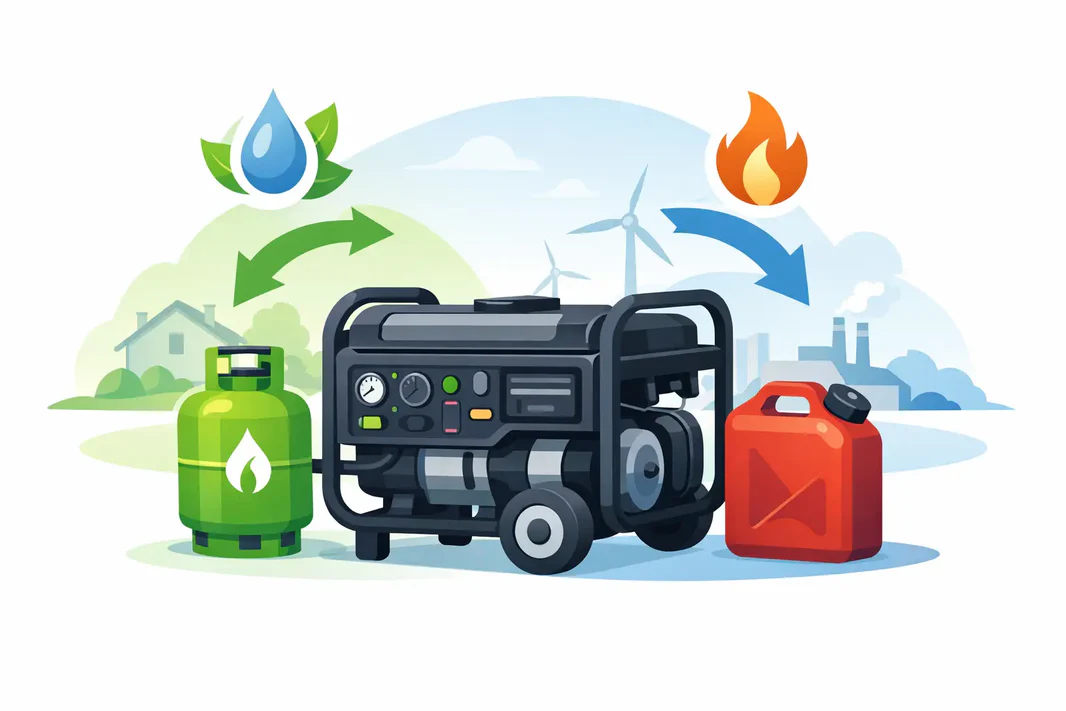
For homeowners, RV travelers, and anyone building a backup power plan, a dual fuel generator gives you options that a single-fuel model simply cannot. It can typically run on gasoline or propane, which means you are not locked into one fuel source when supply, storage, or convenience becomes a problem. That flexibility is the main reason many buyers move this category to the top of their list.
Why dual fuel generator benefits matter in real use
A generator is only useful if you can run it when you need it. That sounds obvious, but it is exactly where fuel choice changes the equation.
Gasoline is easy to find under normal conditions and often delivers strong power output. Propane, on the other hand, stores longer, burns cleaner, and is often easier to keep ready without the headaches that come with aging gas. A dual fuel unit lets you use whichever fuel makes more sense for the moment.
That matters during storm prep, extended outages, camping trips, jobsite work, and off-grid use. If one fuel becomes hard to get, too expensive, or inconvenient to store, you still have another path to keep power available.
Fuel flexibility is the biggest advantage
The clearest benefit is built-in flexibility. With a dual fuel generator, you are not making a one-time bet on gasoline or propane. You have both available.
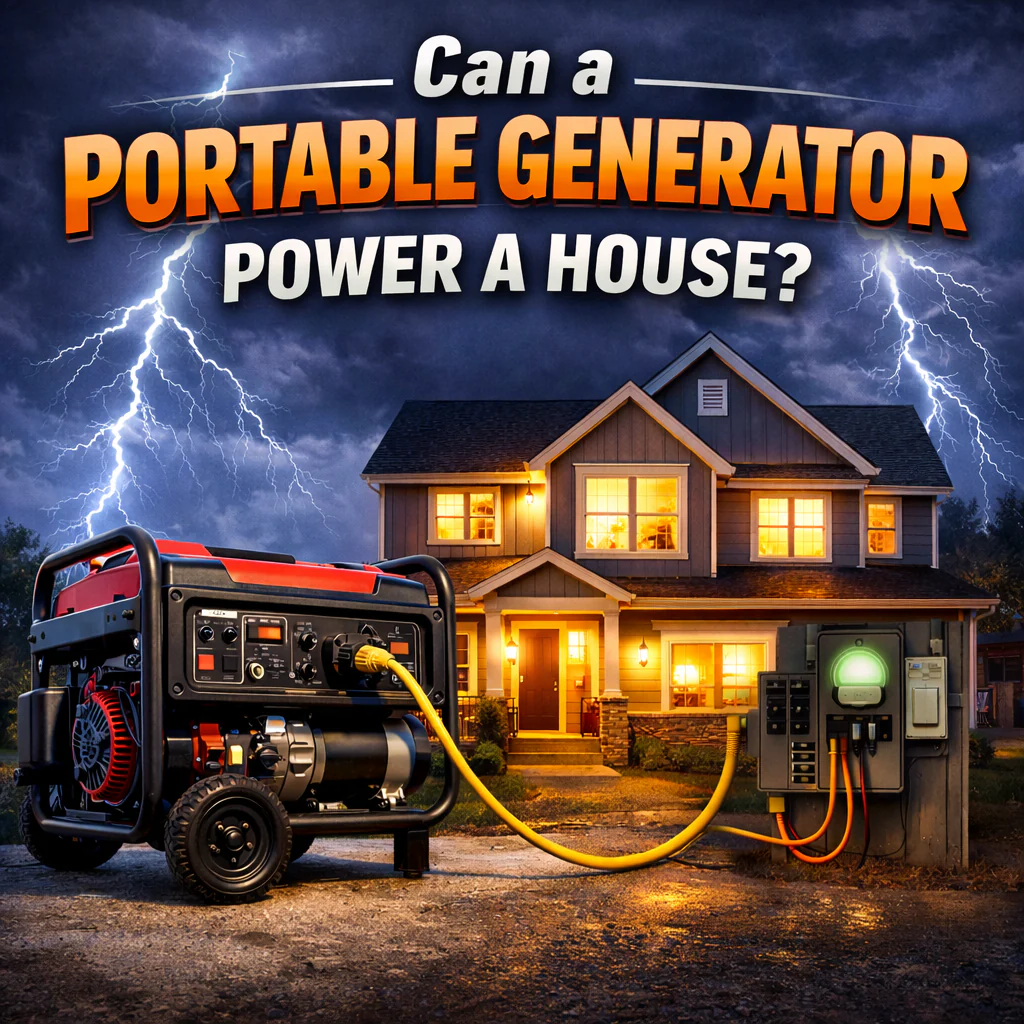
For home backup, that can be a major relief. If local gas stations are crowded after a storm, a propane tank on-site may keep you going. If you run through your propane supply, gasoline may be easier to top off once roads open and stations are operating again.
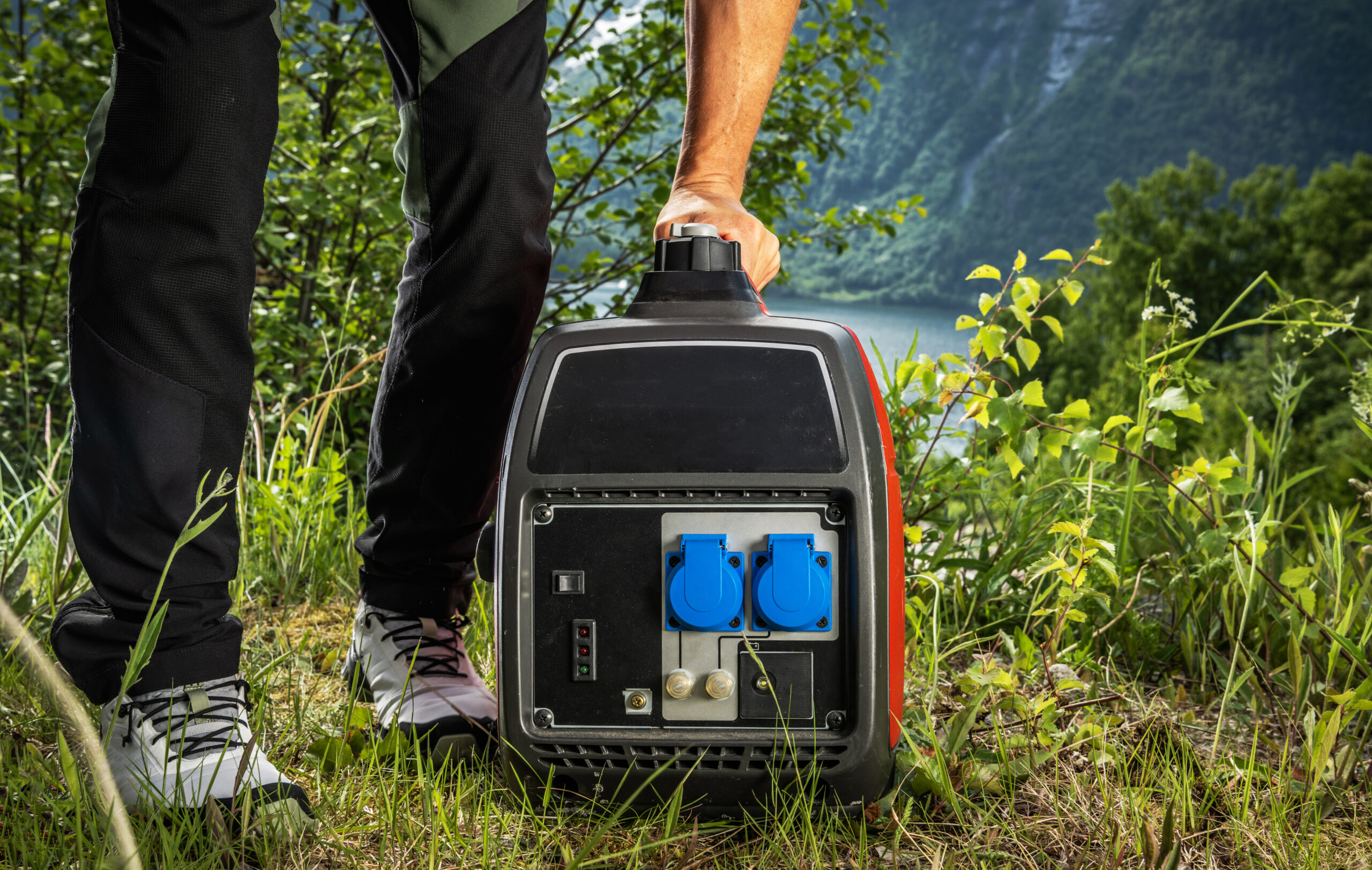
For RV and camping use, flexibility is just as useful. Some travelers already carry propane for cooking or heating, so using that same fuel source for power can simplify the setup. Others prefer gasoline because it is easy to refill on the road. A dual fuel model gives you room to adapt instead of forcing one approach.
Easier long-term fuel storage
One of the most practical dual fuel generator benefits is better storage planning. Gasoline has a shorter shelf life and needs more attention. If it sits too long without stabilizer, it can degrade, gum up the system, and create starting issues when you finally need the generator.
Propane is different. It does not go stale in the same way, which makes it appealing for emergency preparedness. If your generator sits unused for months between outages, propane can be a more forgiving standby fuel.
That does not mean propane is always the best choice. You still need to store tanks safely and make sure you have enough fuel volume for your expected runtime. But for many buyers, the ability to keep propane on hand without worrying about fuel aging is a genuine advantage.
Cleaner operation with propane
Propane typically burns cleaner than gasoline. In practical terms, that can mean fewer carbon deposits, less odor at the point of use, and potentially lower maintenance impact over time.
This is especially appealing for buyers who use a generator regularly, not just during emergencies. If you are powering an RV, supporting outdoor events, or using portable power on a recurring basis, cleaner combustion can help reduce some of the mess and upkeep associated with gasoline-only operation.
There is a trade-off, though. Many dual fuel generators produce slightly less wattage on propane than they do on gasoline. If you are trying to run larger loads or you need every bit of surge capacity for startup, that difference matters. Buyers should look at both the gasoline and propane output ratings before making a decision.
Better outage readiness
A backup power plan is stronger when it has fewer single points of failure. That is another reason dual fuel models stand out.
If your entire setup depends on one fuel source, a supply issue can turn a generator from essential equipment into dead weight. A dual fuel unit reduces that risk. You are better positioned to keep critical loads running even if local conditions change quickly.
For homeowners, that can mean keeping a refrigerator, freezer, lights, internet equipment, and a few key appliances online. For preparedness buyers, it adds another layer of resilience without requiring a second generator.
This is also where the category makes sense for people comparing fuel-based backup with battery and solar options. A battery system is quiet and low-maintenance, but runtime depends on capacity and recharge conditions. A dual fuel generator adds extended backup potential when you need higher power output or longer operation.
Cost control and smarter fuel use
Fuel prices move. Availability changes by season, region, and emergency conditions. A dual fuel generator gives you some control over how you respond.
If propane is cheaper or already stocked on your property, you can use it. If gasoline is easier to access for the trip or task at hand, you can use that instead. Over time, this flexibility can help you manage operating costs more intelligently than a single-fuel generator allows.
The savings are not always dramatic, and they depend on local fuel pricing. But the ability to choose based on current conditions is useful on its own. For value-conscious buyers, that matters.
Strong fit for multiple use cases
A lot of generator buyers are not shopping for one narrow scenario. They want a unit that can cover outage backup, outdoor use, travel, and occasional off-grid needs. Dual fuel models often fit that middle ground well.
For home use, they offer backup security. For RV owners, they provide mobile flexibility. For tailgating, camping, and worksites, they make fuel planning easier. Instead of buying around a fixed fuel limitation, you can choose a generator that stays useful across different situations.
That kind of versatility is often more valuable than a small difference in price up front. If one generator can serve several roles well, it may be the more practical purchase.
The trade-offs buyers should know
Dual fuel does not automatically mean better for everyone. There are real trade-offs, and a good buying decision depends on how you plan to use the generator.
First, output can vary by fuel type. As mentioned, propane often produces slightly lower running and starting watts than gasoline. If you are close to the limit on your appliance load, that matters.
Second, a dual fuel model can be more expensive than a comparable single-fuel unit. For some buyers, the added cost is worth it for flexibility alone. For others, especially if they know they will only ever use one fuel, it may not be necessary.
Third, fuel convenience depends on your setup. Propane is excellent for storage, but not everyone has large tanks or easy refill access. Gasoline is widely available, but it requires more active fuel management. The right answer depends on your habits, storage space, and emergency plan.
Who benefits most from a dual fuel generator
If you want one generator that can handle changing conditions, dual fuel is usually worth serious consideration. It is especially well suited for homeowners preparing for outages, RV owners who already use propane, and buyers who value long-term storage readiness.
It also makes sense for shoppers who are still comparing backup approaches. If you are building a broader resilience setup that may include solar panels, power stations, or battery backup, a dual fuel generator can fill the high-demand gap. It gives you another layer of power security when batteries run low or weather limits solar charging.
For shoppers browsing a broad backup power catalog like GenVault, this is often where the decision becomes clearer. If flexibility, preparedness, and practical fuel options are high on your list, dual fuel deserves a close look.
How to decide if it is the right choice
Start with your loads. Think about what you actually need to power, not everything you might want to power. Then consider how long you may need to run and what fuel you can store safely and realistically.
If your priority is simple emergency readiness with better storage confidence, propane capability is a strong plus. If you need maximum output and easy refill access, gasoline may still be your primary fuel. If you want the ability to switch between both without changing equipment, a dual fuel unit solves that problem directly.
The best generator is not the one with the longest feature list. It is the one that fits the way you live, the risks you are preparing for, and the fuel you can count on when the lights go out.
If you are weighing options, focus less on hype and more on how the generator will perform on an ordinary bad day. That is where dual fuel tends to earn its place.