
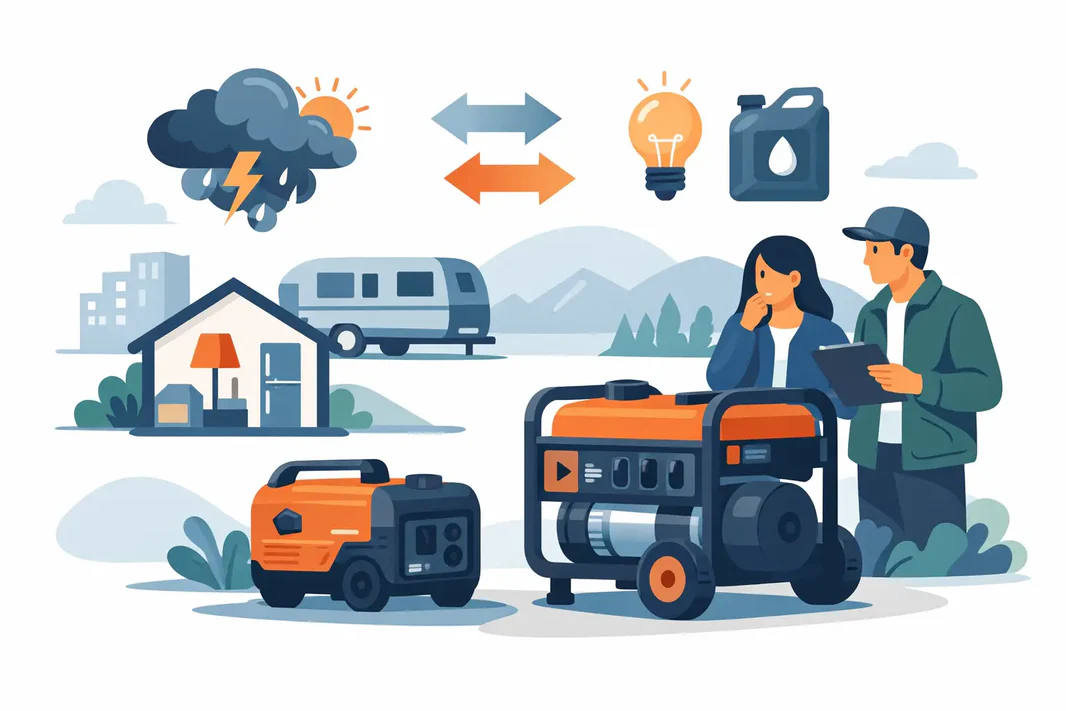
When the power goes out, the question is rarely whether you need backup power. It is whether the unit you choose can actually handle the job. Portable generators are popular because they cover a wide range of real-world needs, from keeping a refrigerator running during an outage to powering tools at a work site or giving an RV a reliable source of electricity off-grid.
That flexibility is the biggest reason buyers keep coming back to this category. But it also creates confusion. Not every generator is built for the same use case, and buying too little power can be as frustrating as paying for capacity you never use. If you are comparing options, the smart move is to start with how you plan to use it, then work backward into wattage, fuel type, noise level, and outlet needs.
Why portable generators are still a top backup choice
For many households, portable generators remain the fastest path to outage readiness. They are easier to move than standby units, usually cost less up front, and do not require the same level of permanent installation. That makes them attractive for homeowners who want backup power without committing to a whole-home system.
They also fit beyond emergency use. Campers, RV owners, mobile contractors, tailgaters, and off-grid property owners often need dependable power in places where utility access is limited or nonexistent. A portable generator can cover those short-term or mobile needs in a way that fixed backup systems cannot.
The trade-off is involvement. Unlike a standby generator that starts automatically, portable generators usually need to be wheeled out, fueled, started, and connected safely when needed. For some buyers, that is a fair trade for lower cost and greater flexibility. For others, especially those planning for frequent outages, that extra setup matters.
How to choose portable generators by use case
The quickest way to narrow the market is to be honest about what needs power first. A small unit for camping is a very different purchase than a backup source for sump pumps, refrigerators, and a few household circuits.
Home outage backup
If your main concern is keeping essentials running during a storm or grid outage, focus on starting watts and running watts. Appliances with motors, such as refrigerators, freezers, well pumps, and air conditioners, often need extra power to start. A generator that looks adequate on paper can still fall short if you only calculate running load.
For basic emergency coverage, many homeowners prioritize refrigeration, lights, device charging, fans, a microwave, or a sump pump. If you want to support more of the home, you will likely need more output and a clearer plan for power management. That might mean using a transfer switch, an interlock setup installed by a qualified electrician, or simply rotating loads carefully.
RV, camping, and outdoor use
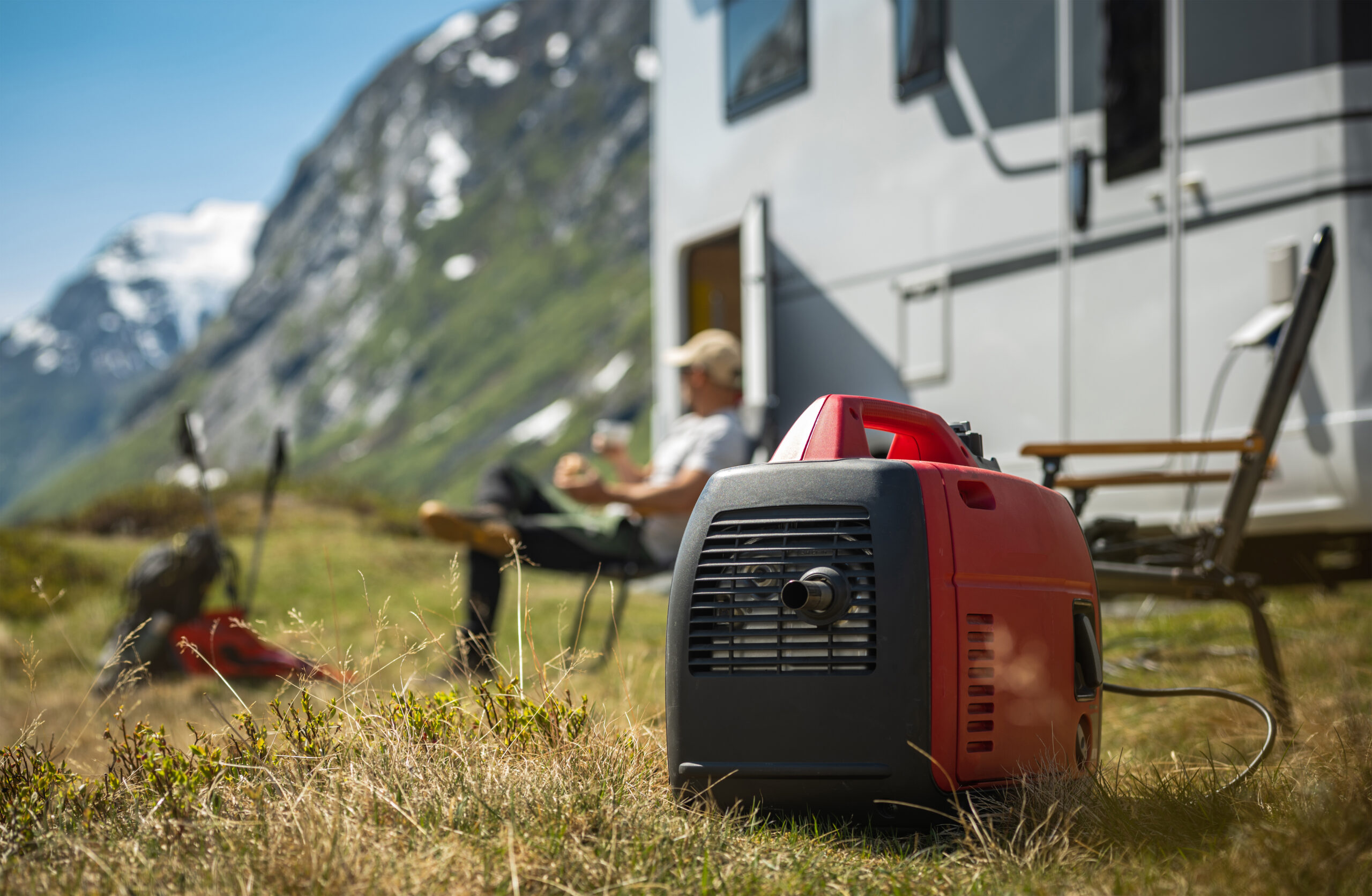
For recreation, portability and noise level usually matter as much as output. If you are powering an RV air conditioner, coffee maker, battery charger, and a few electronics, wattage still matters, but so does convenience. A lighter unit is easier to transport and store. A quieter unit is easier to live with at a campsite.
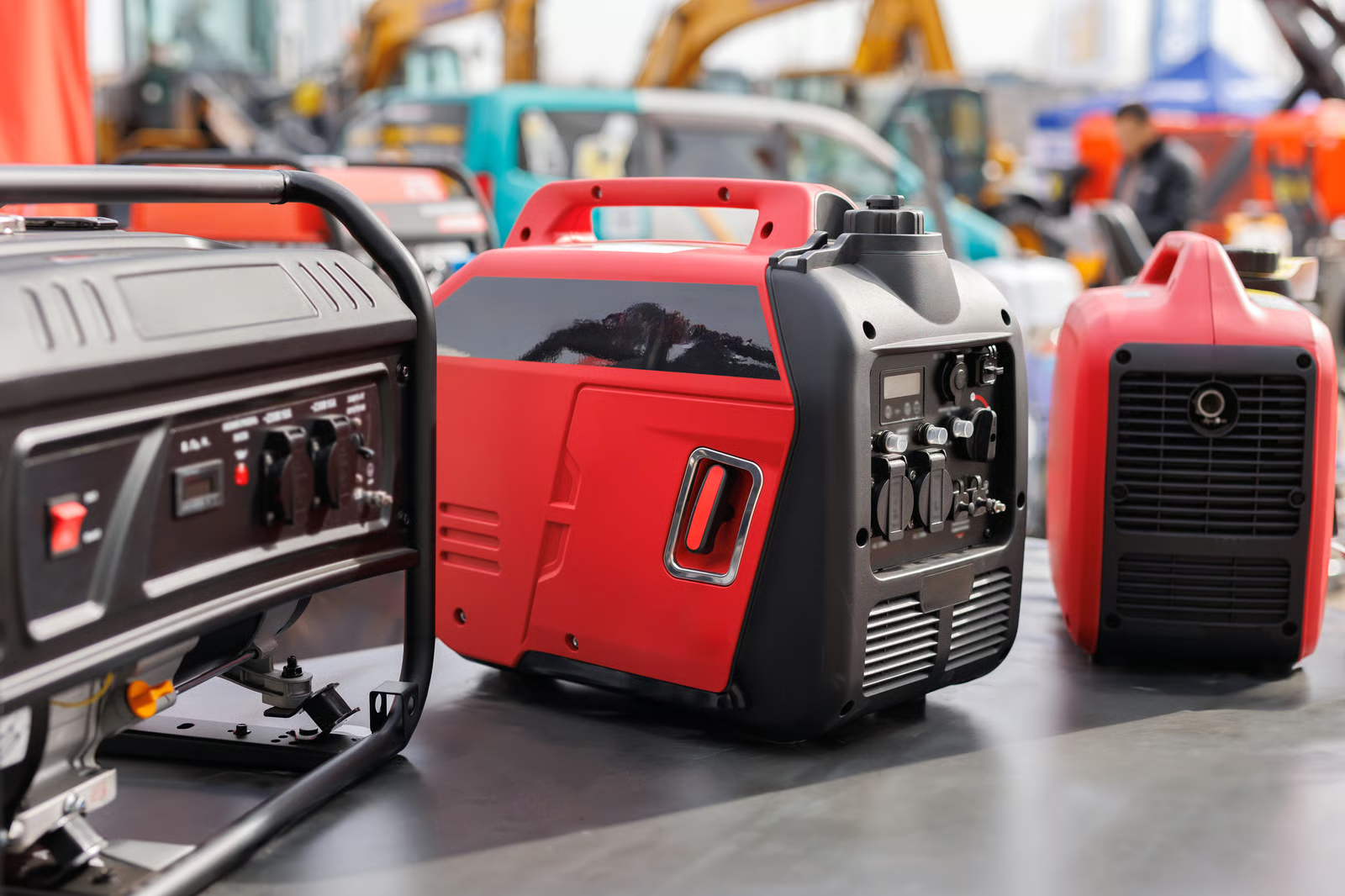
This is where inverter generators often stand out. They are commonly chosen for cleaner power output, better fuel efficiency under variable loads, and lower noise compared with many traditional open-frame models. They are not automatically the right fit for every buyer, but for electronics-heavy or noise-sensitive use, they are often worth a close look.
Job sites and mobile work
Contractors and mobile professionals tend to prioritize durability, outlet variety, and enough power for saws, compressors, chargers, or lighting. In that setting, a generator that is a bit louder may be acceptable if it delivers strong output and holds up to repeated transport.
This is also where knowing your peak load matters. Two tools may not run at full demand continuously, but startup surges can still create problems. A little headroom usually pays off.
Sizing portable generators without guessing
Sizing mistakes are common because buyers often shop by a single number. The better approach is to list what you want to run, note both running and starting watt requirements where applicable, and add realistic margin.
If you are powering a refrigerator, freezer, some lights, internet equipment, and phone chargers, your total need may be modest. If you also want a well pump, portable AC, electric cooking appliance, or power tools, the number climbs quickly.
More wattage is not always better. Larger units can be heavier, louder, and less fuel-efficient at lighter loads. They also cost more. The right size is the one that covers your priority loads reliably without creating unnecessary bulk or expense.
Fuel type matters more than many buyers expect
Fuel choice affects runtime, storage, maintenance, and day-to-day convenience.
Gasoline models are widely available and often familiar to buyers, but gasoline has a shorter storage life than some alternatives unless treated properly. Propane burns cleaner and stores well, which appeals to preparedness-minded households. Dual-fuel and tri-fuel models add flexibility, which can be a major advantage during extended outages when fuel availability becomes unpredictable.
That said, flexibility can come with trade-offs in output or setup complexity depending on the model. If your plan is emergency home backup, think beyond normal days and consider what fuel you can realistically store and access when conditions are not ideal.
Features that are worth paying attention to
Not every feature is marketing fluff. Some genuinely affect how usable a generator will be when you need it most.
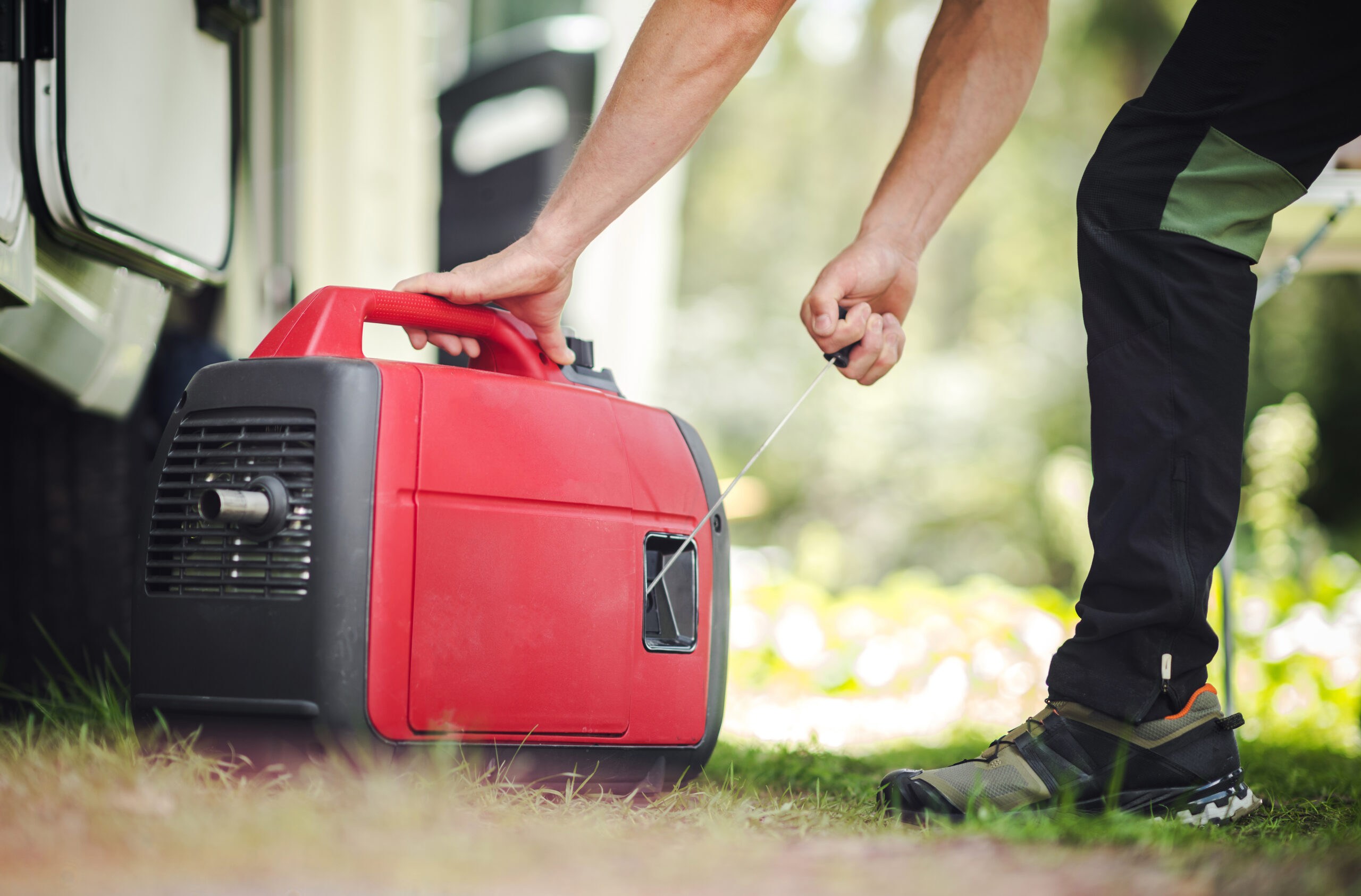
Electric start can make a big difference for buyers who do not want to rely on recoil pull starts, especially in bad weather. Low-oil shutdown helps protect the engine. Fuel gauges, CO safety shutoff features, covered outlets, and wheel kits all add practical value.
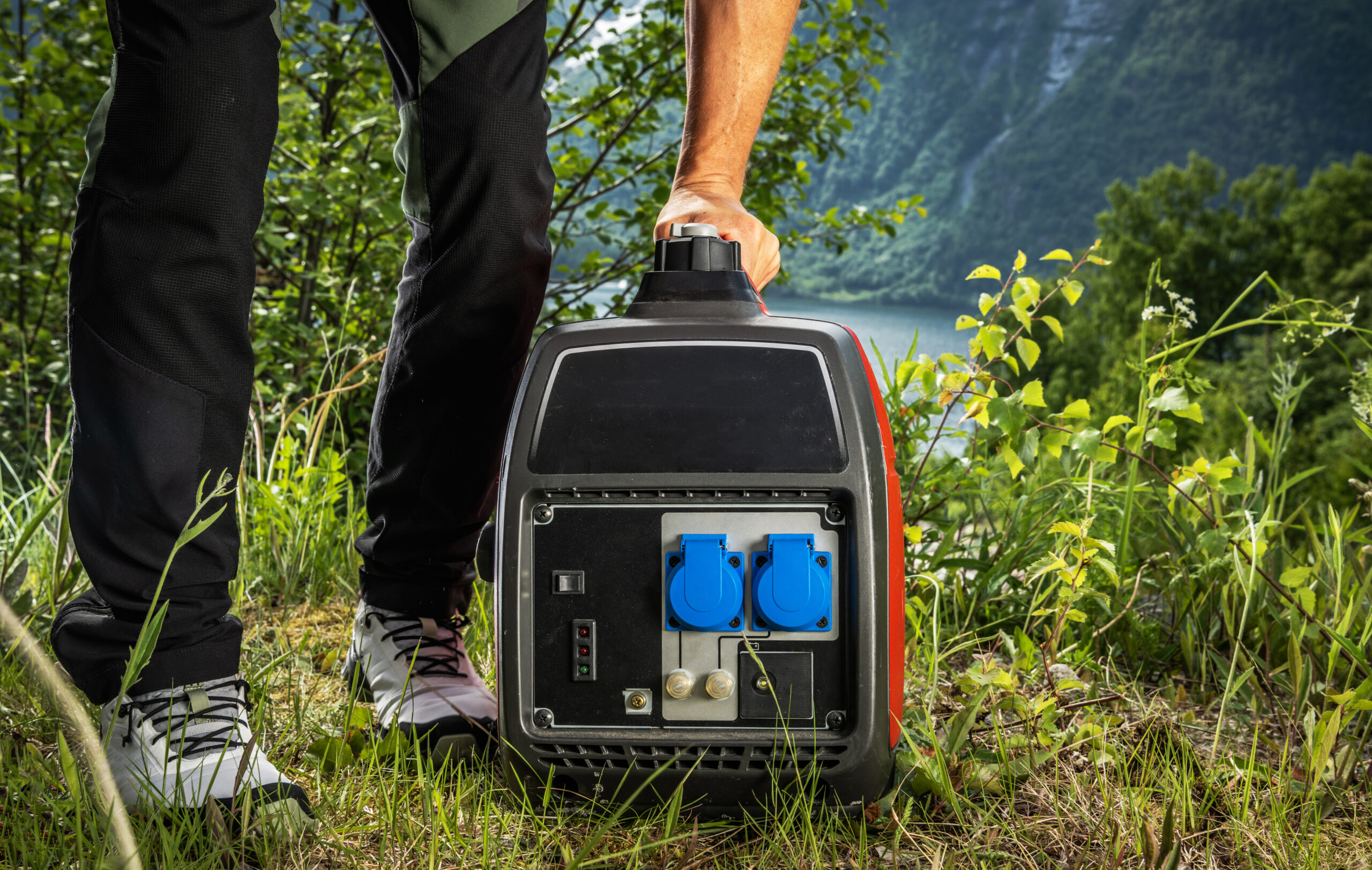
Outlet configuration deserves more attention than it gets. A generator can have enough wattage but still be inconvenient if it does not offer the right receptacles for your transfer setup, RV connection, or tool lineup. Always check the actual outlets, not just the power rating.
Noise is another big one. If the generator will sit near your home, RV, or camp setup, sound level affects comfort more than buyers expect. Open-frame models can make sense for raw power and value, while inverter units usually appeal to those who want quieter performance.
Portable generators vs. battery and solar options
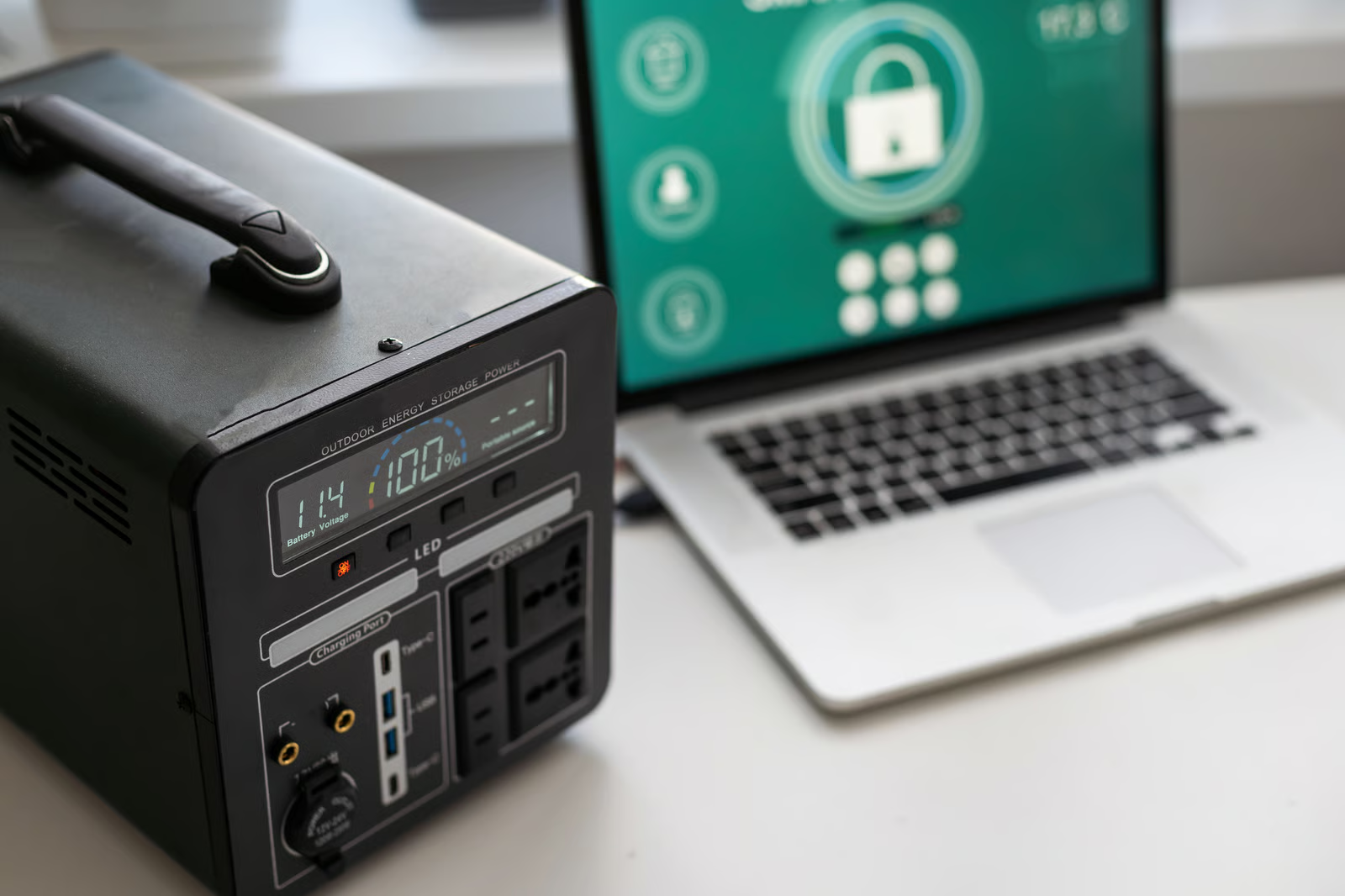
Some buyers start with portable generators and then realize they are also considering a portable power station or solar-ready setup. That comparison is worth making.
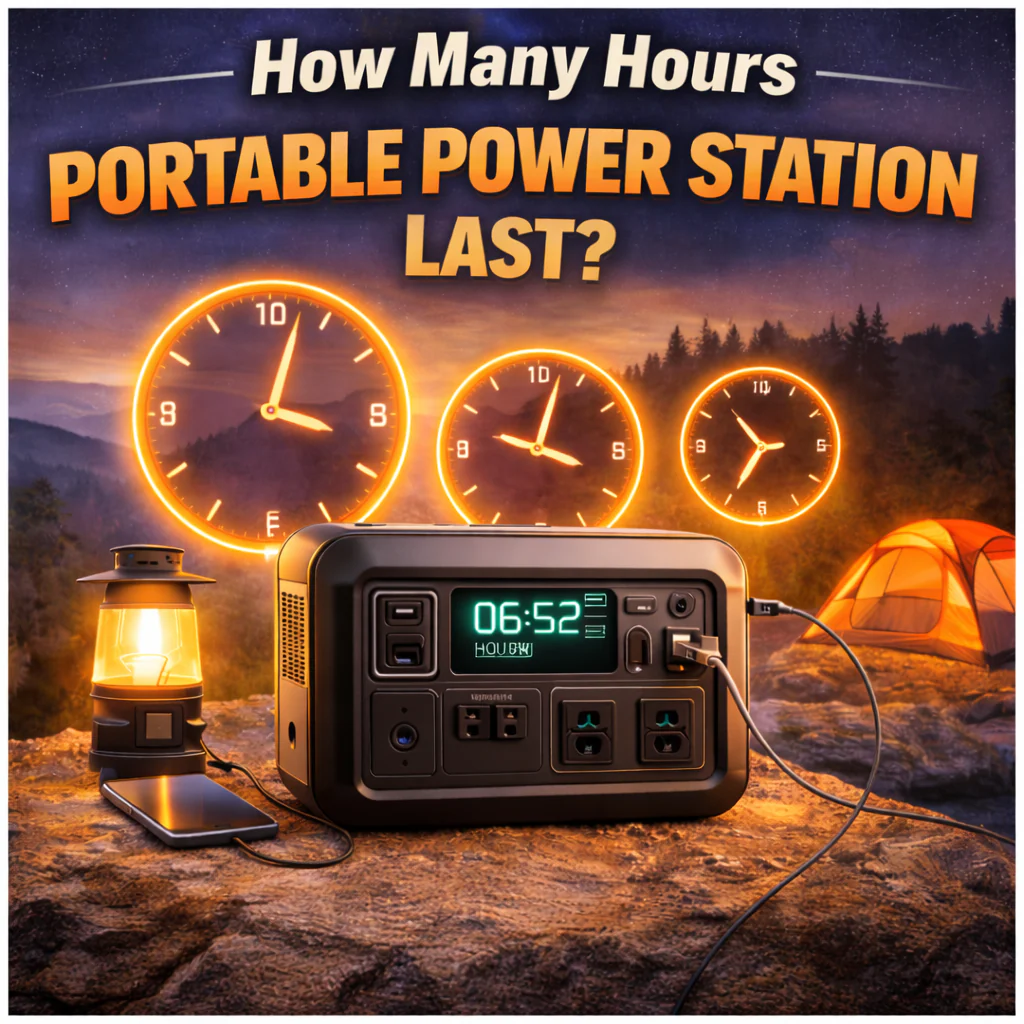
Fuel-based generators are often the better fit for higher-output demands and longer runtimes, especially when you need to power appliances with heating elements, motors, or tools. Battery power stations shine when quiet operation, indoor-safe use, and low maintenance matter most. Solar charging adds another layer of flexibility, but recharge speed depends on battery size, panel input, and weather.
For some households, the right answer is not one or the other. It is both. A fuel generator can cover heavy loads and long outages, while a battery unit handles smaller electronics, quiet overnight use, or indoor convenience. At GenVault, that broader mix matters because buyers are not all solving the same power problem.
Safe use is not optional
Portable generators should never be operated indoors, in garages, or too close to doors, windows, or vents. Carbon monoxide risk is serious, and proper placement matters every time, not just during long outages.
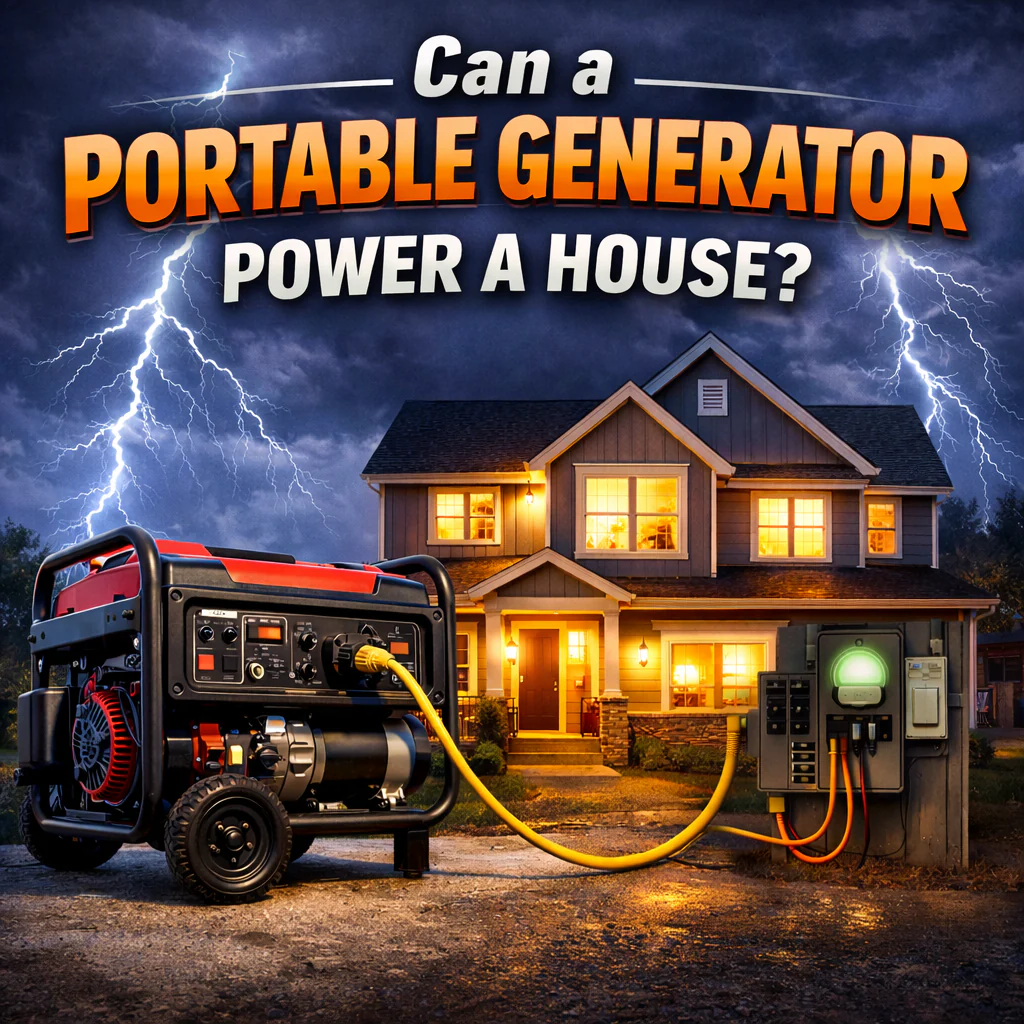
You also should not backfeed a home by plugging a generator into a wall outlet. Safe connection requires the right equipment and, in many cases, professional installation. If you are buying for home backup, your generator plan should include how power will be connected, not just what unit you purchase.
Maintenance matters too. A generator that sits untouched for long stretches can become unreliable when finally needed. Routine starts, fuel management, oil checks, and manufacturer-recommended service are part of backup readiness.
What smart buyers compare before purchasing
Price matters, but it should not be the only filter. A lower-cost generator that is undersized, too loud for the setting, or poorly matched to your fuel plan is not a bargain.
The better comparison looks at output, runtime, fuel flexibility, portability, outlet layout, startup method, and intended use. Warranty coverage, shipping policies, financing options, and support availability also matter, especially for buyers making a bigger preparedness purchase.
If you are shopping online, clear category structure and practical buying guidance save time. The best product choice is usually the one that matches your actual use pattern, not the one with the biggest number in the product title.
Portable generators are a practical solution because they meet people where they are – at home during an outage, on the road in an RV, at a campsite, or on a job site with no utility power nearby. If you choose based on real needs instead of guesswork, you are far more likely to end up with power you can count on when it stops being optional.