
When the power goes out at 2 a.m. and the heat, fridge, sump pump, and Wi-Fi all shut off at once, the question stops being whether backup power is nice to have. It becomes whether standby generators make sense for your home, your budget, and the kind of outages you actually face.
For many homeowners, they do. A standby unit is built to restore power automatically when utility service fails, which is a different experience from rolling a portable generator out of the garage, fueling it, starting it, and managing extension cords. That convenience is the biggest reason people shop this category, but it is not the only one. Capacity, safety, and whole-home coverage all matter too.
What standby generators actually do
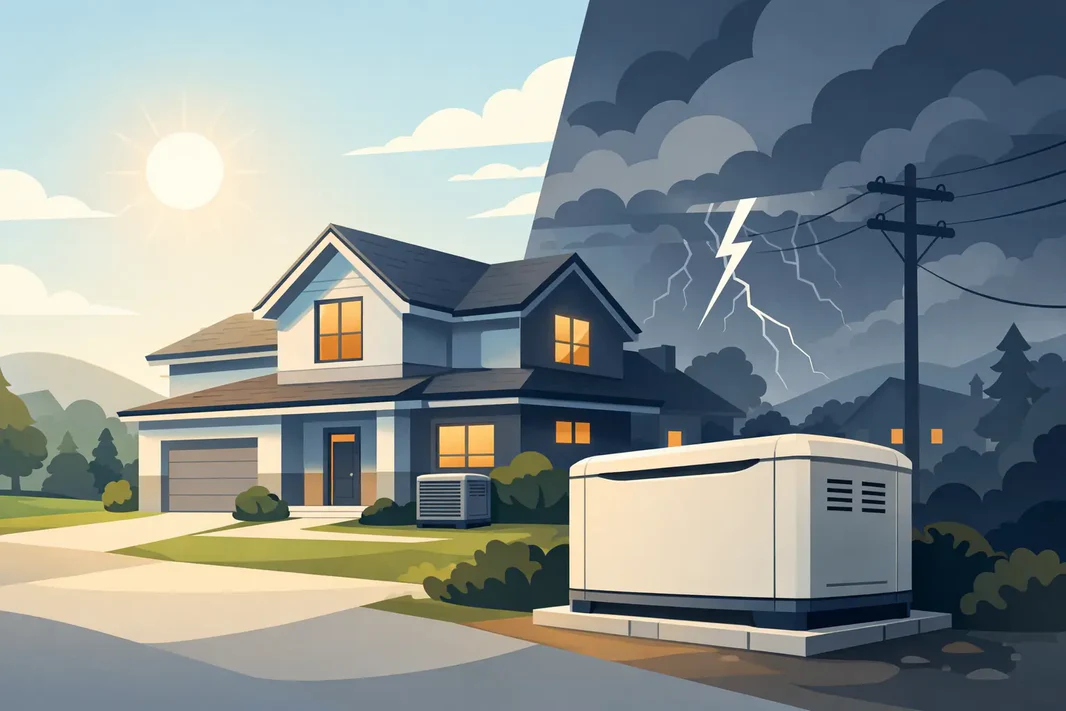
Standby generators are permanently installed backup power systems that sit outside the home, usually on a concrete or composite pad. They connect to a fuel source such as natural gas or propane and work with an automatic transfer switch. When the utility goes down, the switch detects the outage, starts the generator, and shifts your home from utility power to generator power within seconds.
That automatic response is what separates a standby system from other backup options. You do not need to be home to start it. You do not need to run cords through a window. You do not need to decide in the dark which appliances can stay on and which have to wait.
That said, automatic does not always mean unlimited. Some systems are sized for whole-home backup, while others are set up to power only selected circuits. The right setup depends on your electrical load, fuel availability, and what level of comfort you want during an outage.
Why homeowners choose standby generators
The appeal is straightforward. If you live in an area with storm outages, heat waves, winter freezes, grid instability, or frequent utility interruptions, backup power quickly moves from convenience to risk management. A standby generator can protect refrigerated food, prevent basement flooding if you rely on a sump pump, keep HVAC systems running, and maintain power for medical devices or remote work equipment.
There is also a quality-of-life factor that matters more than many buyers expect. During a long outage, being able to keep lights on, charge devices, cook, and use basic household systems changes the experience from disruption to inconvenience. That difference is why many homeowners who once considered a portable unit eventually move up to a permanent system.
For households comparing fuel generators, battery backup, and solar solutions, the biggest advantage here is sustained output. Battery systems are quiet and low-maintenance, and they can be excellent for critical loads. But if you need to run central air, well pumps, large appliances, or multiple circuits for extended periods, standby systems are often the more practical fit.
How to know what size you need
Sizing is where many shoppers either overspend or buy too small. The goal is not to pick the biggest unit you can afford. It is to match generator output to the loads you need to support.
Start with how you want your home to function during an outage. Some homeowners want essentials only – refrigerator, freezer, lighting, internet, sump pump, furnace blower, and a few outlets. Others want near-normal operation, including central air, electric water heating, laundry, and kitchen appliances.
Those are very different power demands. Air conditioners, electric dryers, ovens, and well pumps can add up fast, especially when you account for startup wattage. A smaller standby setup may be perfect for a partial-load backup plan, but it may not support every comfort system at once.
This is where load management becomes useful. Some standby systems can prioritize certain circuits and delay others to prevent overload. That lets you cover more of the home without always stepping up to the largest generator in the lineup. It is a smart middle ground for buyers who want strong coverage without paying for capacity they rarely need.
Fuel choices: natural gas vs propane
Fuel type has a major effect on convenience, runtime, and long-term operating cost. In most residential setups, the decision comes down to natural gas or propane.
Natural gas is often the easiest option if your home already has a gas line. You get a continuous fuel supply, which means you do not have to monitor tank levels during an extended outage. For many suburban homeowners, that simplicity is hard to beat.
Propane is common in rural areas or homes without natural gas service. It stores well, burns cleanly, and gives homeowners more independence from utility infrastructure. The trade-off is that runtime depends on tank size and fill level, so planning matters more. In a long outage, resupply logistics can become part of the equation.
Neither option is automatically better. If your area has dependable gas service and your home is already connected, natural gas is usually the lower-friction path. If you value fuel storage on-site or live beyond gas utility service, propane may be the more realistic choice.
Installation costs and what buyers sometimes miss
The generator itself is only part of the total investment. Installation can include the transfer switch, electrical labor, gas plumbing, permits, site prep, and local code requirements. On some homes, installation is straightforward. On others, long gas line runs, panel upgrades, or placement challenges push the cost higher.
This is why price comparisons can feel confusing at first. A lower generator price does not always mean a lower project cost. The better question is what it takes to get a complete, compliant system installed and ready to run.
Buyers should also factor in maintenance. Standby generators need periodic service, including oil and filter changes, inspections, and test cycles. Many units exercise automatically on a schedule, which helps keep the system ready, but it does not eliminate upkeep. If you want dependable emergency performance, maintenance is part of the ownership cost.
Standby generators vs portable generators
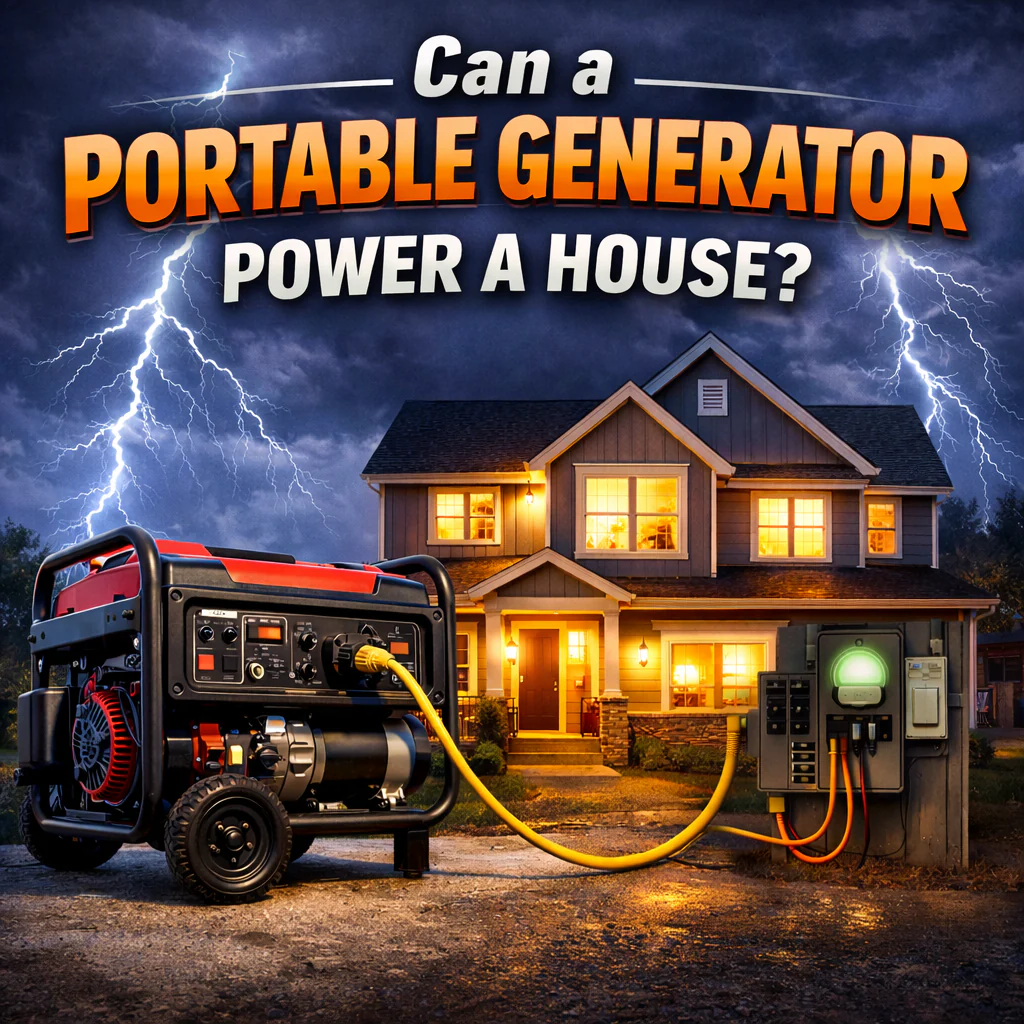
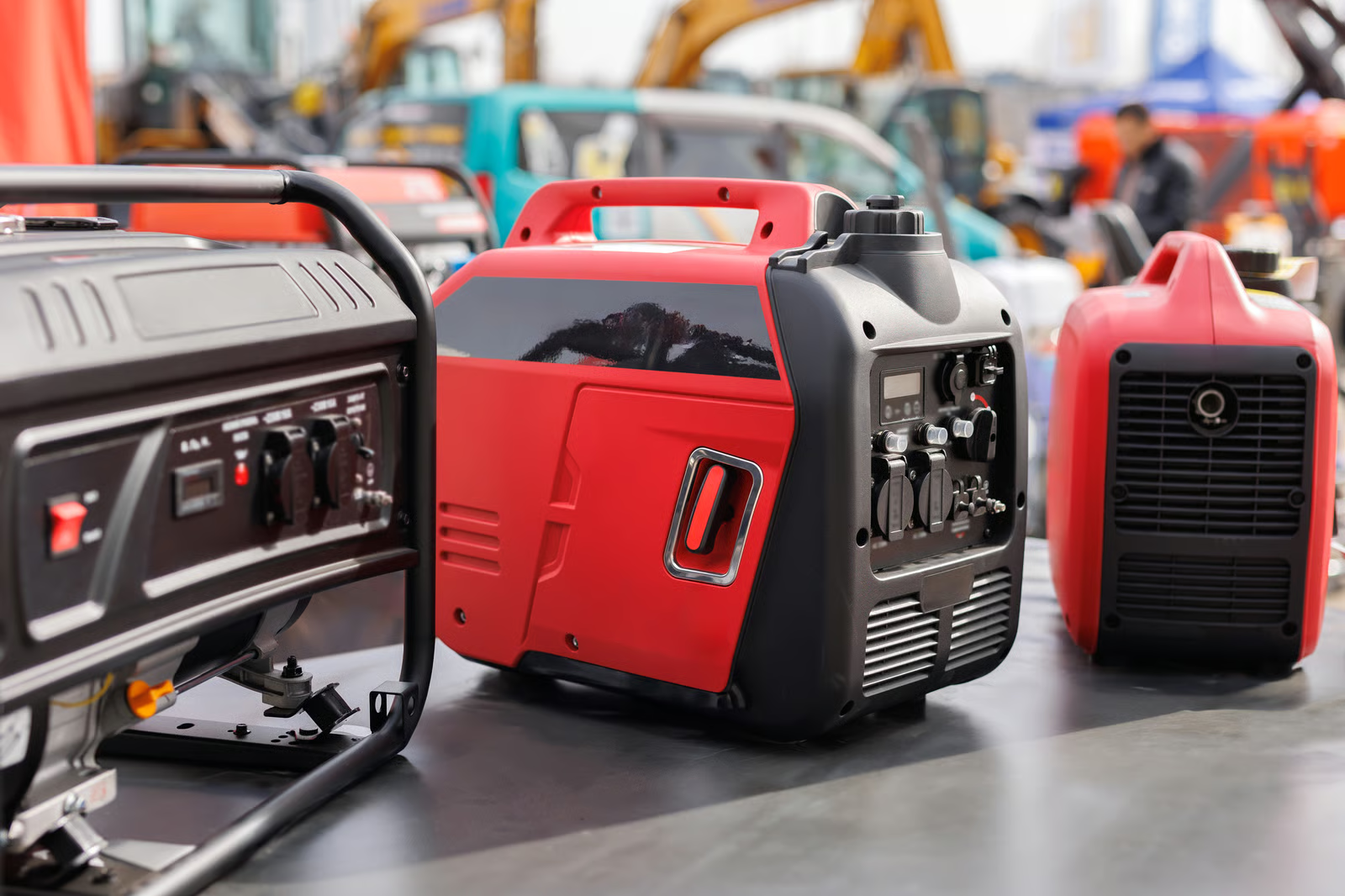
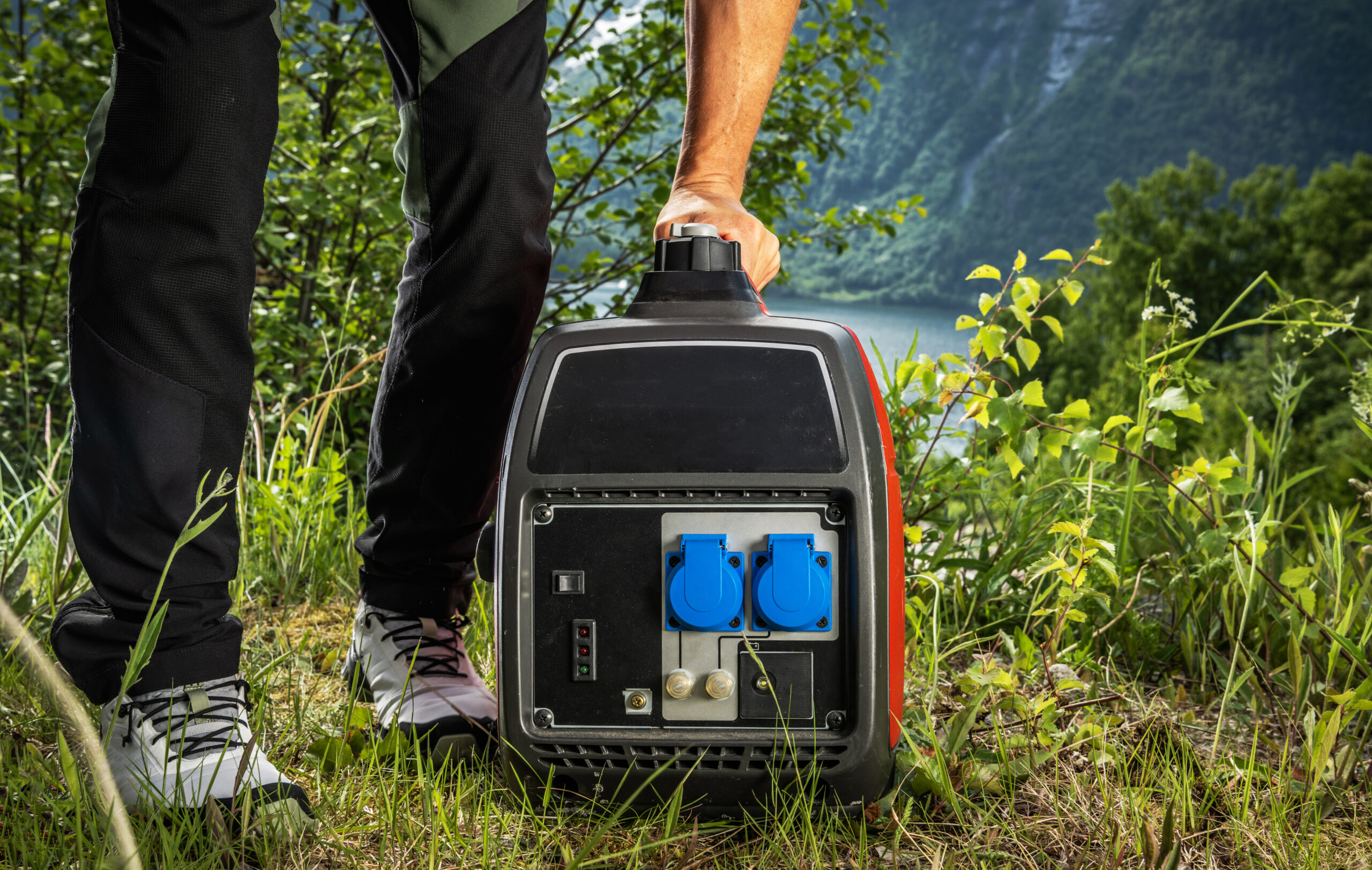
Portable generators still make sense for many households, especially if outages are infrequent or budgets are tight. They cost less up front, offer flexibility, and can be a good fit for temporary backup, job sites, RV use, or outdoor events.
But they ask more from the owner. You need to store fuel, move the unit into a safe operating position, start it manually, and manage connections. They also typically power fewer loads unless paired with a transfer switch and proper inlet setup.
Standby generators are for buyers who want less hassle and more coverage. If your priority is automatic operation, stronger output, and a backup system that works whether you are home or away, standby is in a different class.
When a battery or solar option may be better
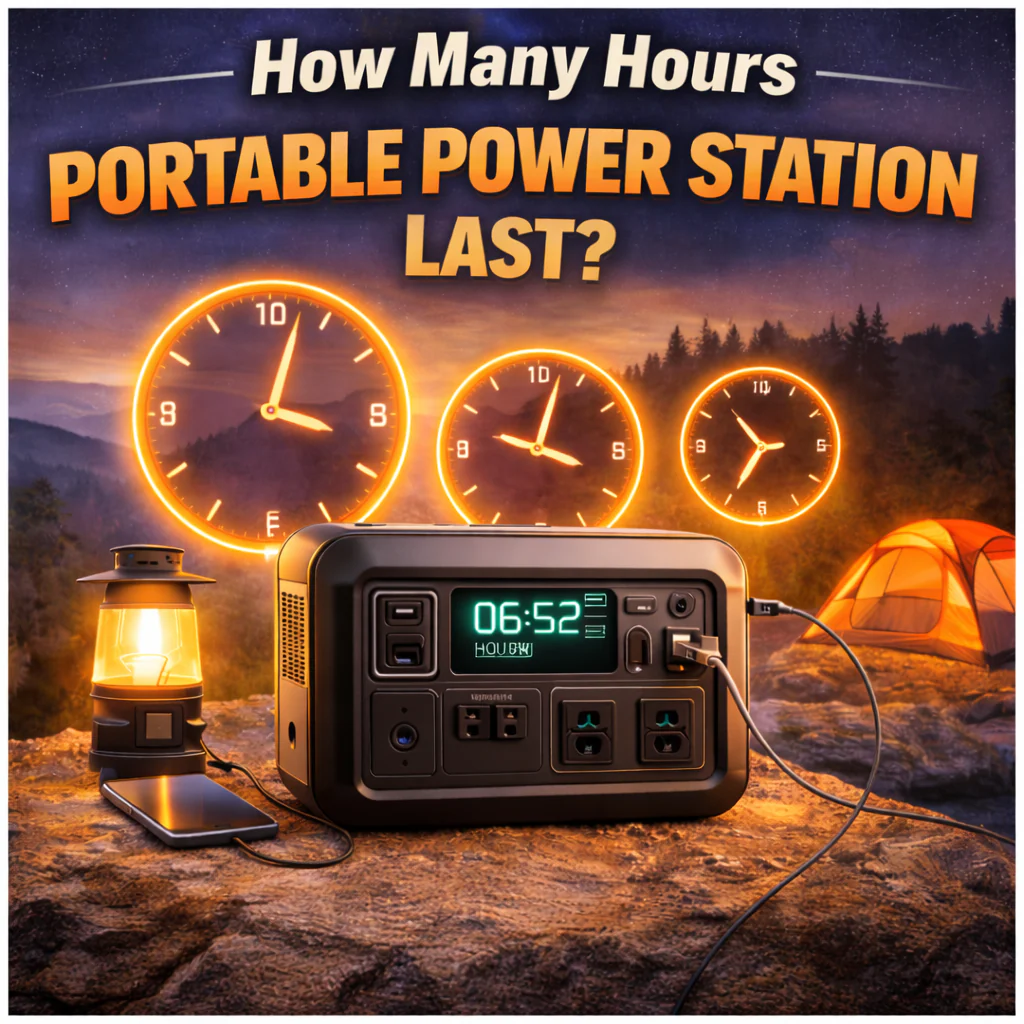
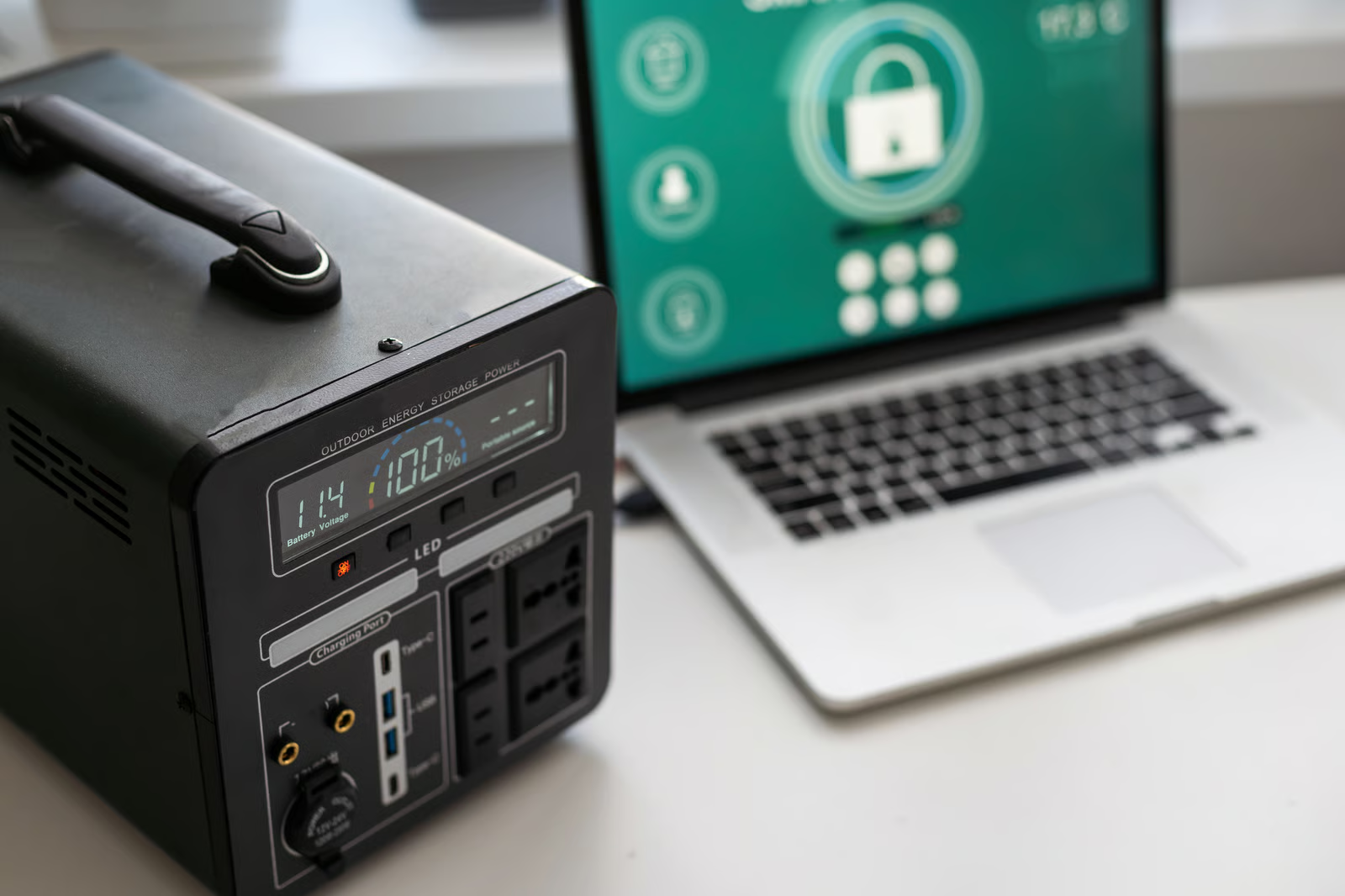
Not every outage plan needs a fuel-based standby unit. If your biggest concern is keeping phones, laptops, lights, routers, and a few small devices running, a portable power station or battery backup system may be simpler and less expensive. If noise matters, batteries also have a clear advantage.
Solar-ready systems can be especially appealing for buyers focused on energy independence, camping, RV use, or supplementing emergency power with renewable charging. They are also easier to use in places where engine-driven generators are restricted or impractical.
The trade-off is output and duration under heavy loads. Batteries are excellent for efficient essentials, but whole-home backup is a different demand level. For central HVAC, major appliances, and long outages, standby remains the more capable option in many homes.
What to look for before you buy standby generators
Start with your outage reality, not a spec sheet. Think about how often outages happen, how long they last, what systems you cannot afford to lose, and whether your home already has natural gas or propane service. Those answers narrow the field quickly.
Then pay attention to transfer switch compatibility, power output, fuel consumption, noise levels, warranty coverage, and service access in your area. Monitoring features can also be worthwhile if you want alerts, maintenance reminders, or status checks without walking outside.
If you are comparing categories across fuel, battery, and solar backup, it helps to shop with a retailer that covers the full backup power picture. GenVault serves buyers who want that broader view, whether the right answer is a permanent standby system or another backup solution that better fits the property and budget.
A good backup plan should feel boring once it is in place. That is the point. When the next outage hits, the best system is the one that matches your home well enough that you barely have to think about it.