
When the power goes out, most people do not want a lesson in electrical theory. They want the fridge cold, the phones charged, and a clear answer on what to buy. That is exactly where a solar generator kit guide helps. It cuts through vague marketing and gets you to the real questions: how much power you need, how long you need it, and whether a kit gives you enough solar input to recharge at a useful pace.
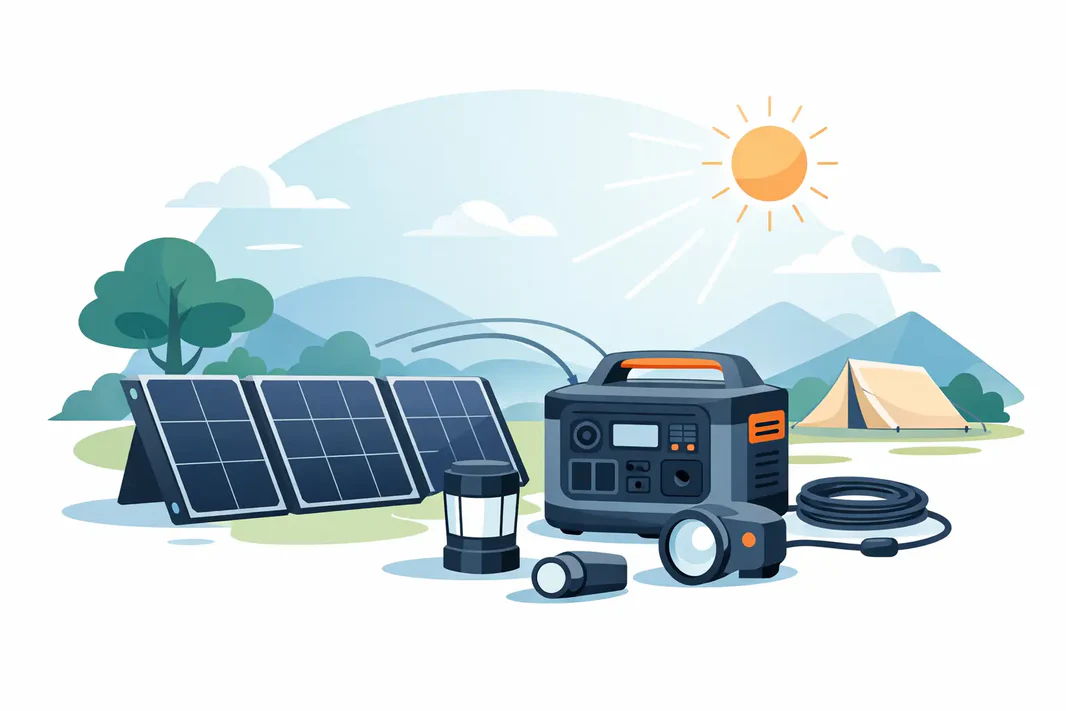
A solar generator kit usually includes a portable power station and one or more solar panels, sometimes with cables, adapters, or mounting accessories. For some buyers, that bundle is the easiest path to backup power. For others, it can be the wrong size, the wrong chemistry, or simply not enough panel wattage to keep up with daily use. The best choice depends on how you plan to use it – emergency backup at home, RV travel, jobsite charging, camping, or off-grid support for a cabin or small setup.
What a solar generator kit actually is
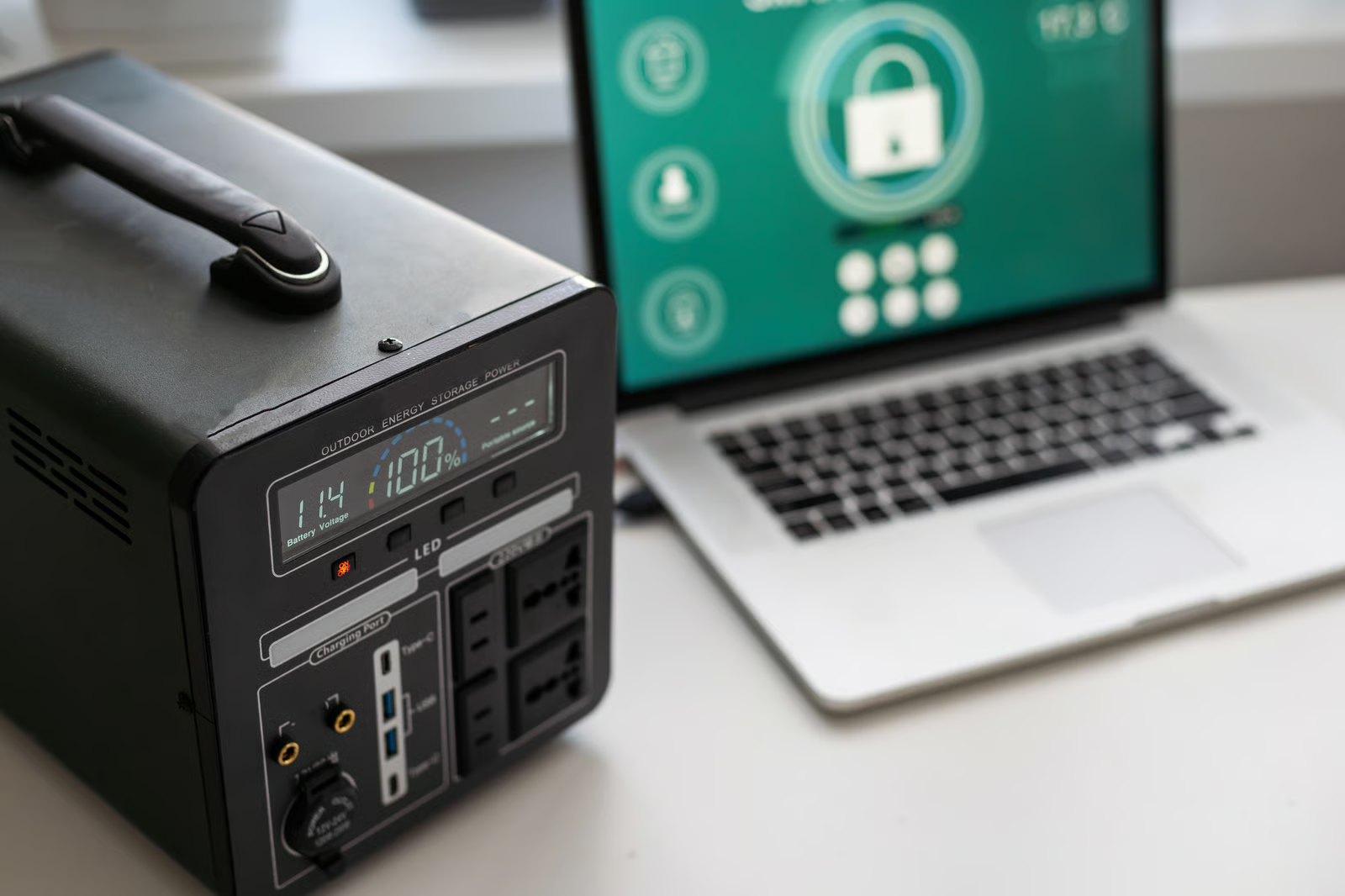
Despite the name, a solar generator kit does not generate electricity the same way a gas generator does. It stores power in a battery and lets you recharge that battery from solar panels, wall outlets, or often a vehicle outlet. That distinction matters because performance is quieter, cleaner, and easier to use indoors, but it also means battery capacity and recharge speed are everything.
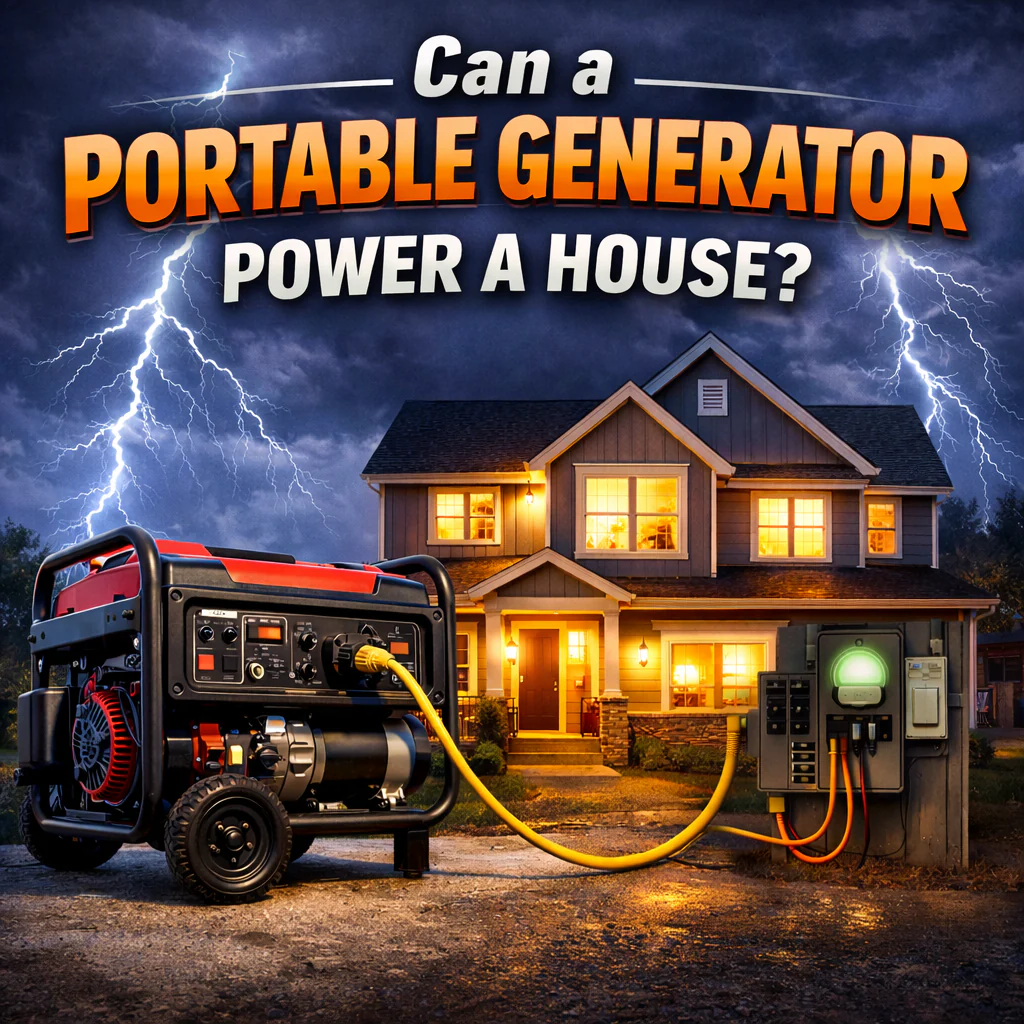
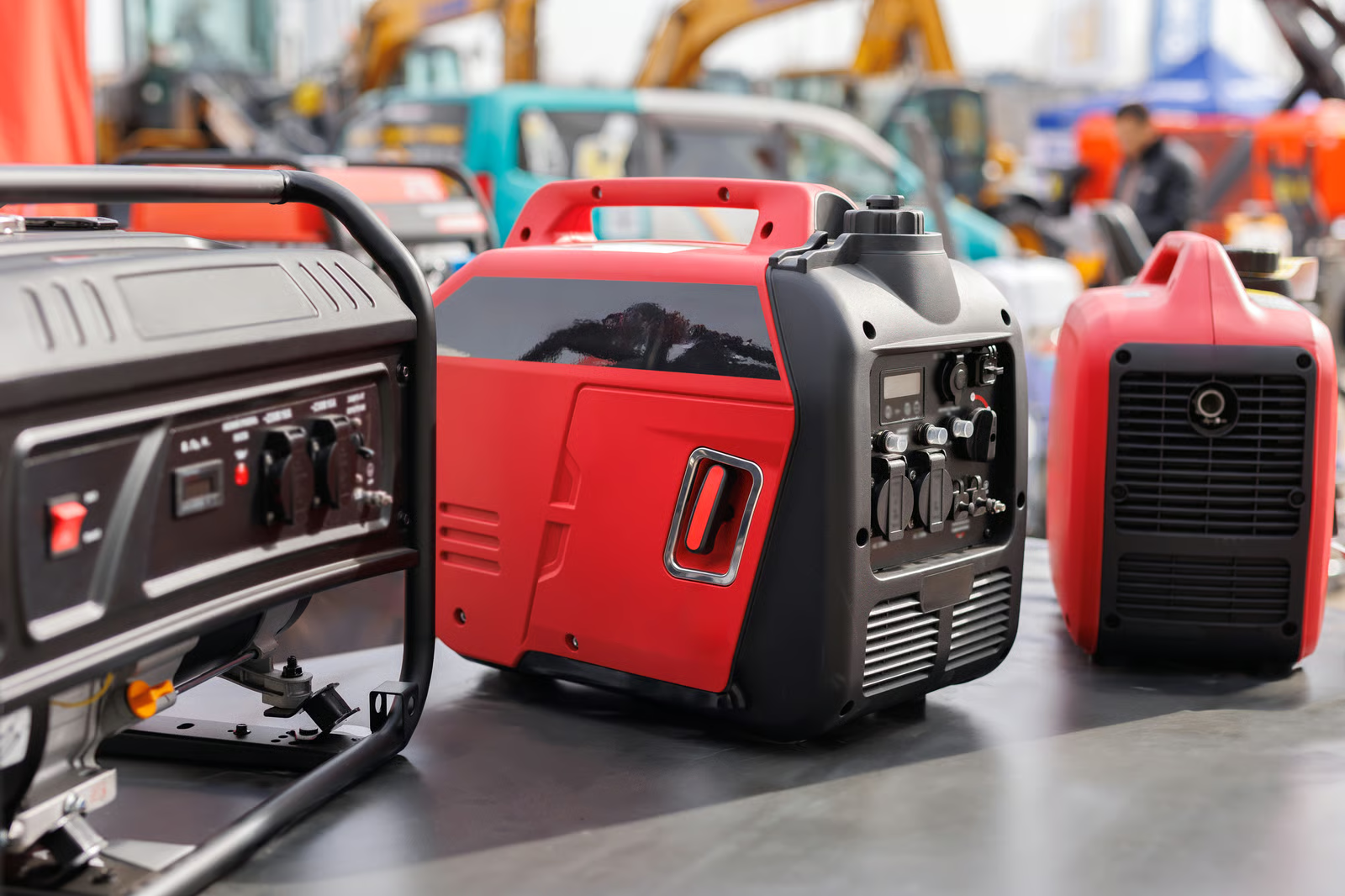
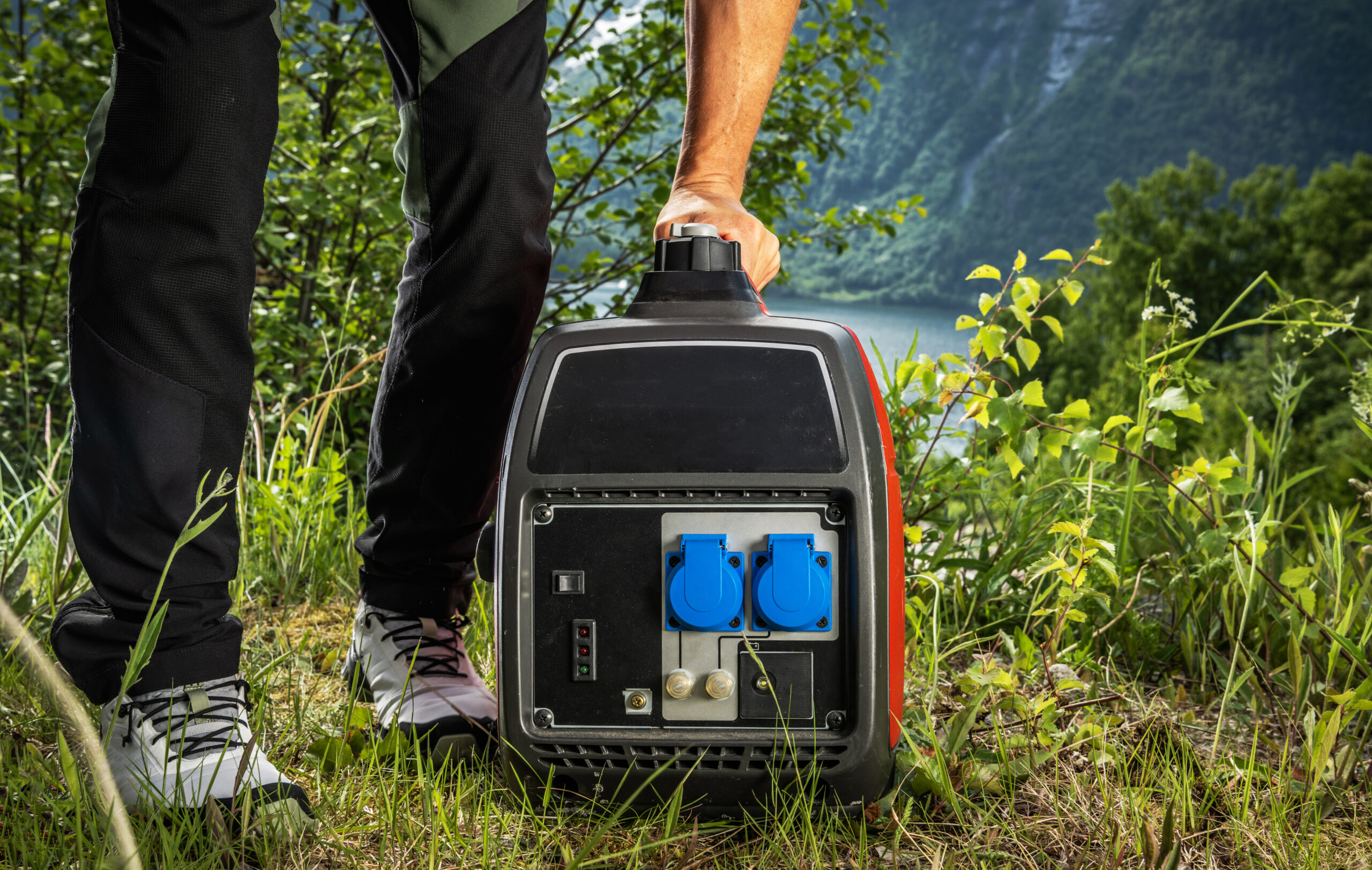
If you are comparing categories, think of it this way. A fuel generator is built for high-output, long-run operation as long as you keep adding fuel. A solar generator kit is built for silent portable power, indoor-safe use, and lower-maintenance backup. That makes it especially appealing for apartments, suburban homes, RVs, campsites, mobile work, and anyone who wants outage readiness without storing gasoline.
Solar generator kit guide: start with your real power needs
Most buying mistakes happen because shoppers focus on product names instead of loads. A unit labeled for “backup” or “off-grid” may still be too small for what you want to run.
Start with the devices that matter most. For many households, that means phones, Wi-Fi, lights, laptops, a CPAP machine, a TV, or a small fridge. For RV owners, it may mean a 12V fridge, vent fan, coffee maker, and device charging. For outdoor use, it could be lights, a cooler, drones, cameras, or power tools.
Two numbers matter more than anything else: running watts and watt-hours. Running watts tell you what the unit can power at one time. Watt-hours tell you how long it can keep doing it. A power station with strong output but a small battery may run a microwave briefly, but it will not give you overnight backup. A large battery with low inverter output may store plenty of energy but still fail to start an appliance that needs more surge power.
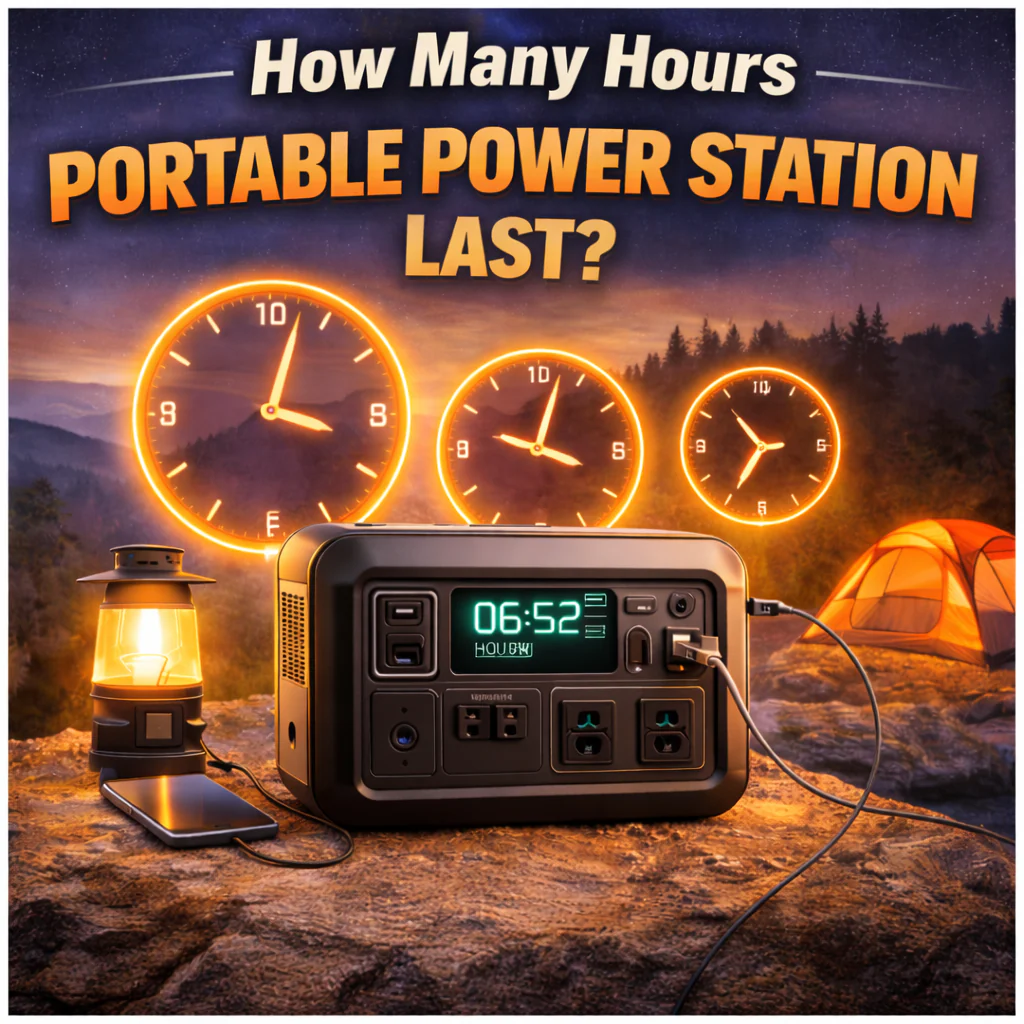
This is why “it depends” is the honest answer to runtime. A 1000Wh battery might run a 100W device for around 10 hours under ideal conditions, but real-world losses reduce that. Inverter efficiency, ambient temperature, battery management, and the mix of AC versus DC use all affect runtime.
Battery size, inverter output, and solar input
A good solar generator kit guide should treat these three specs as a package, not separate features.
Battery size determines how much stored energy you have. Small units are practical for charging electronics and running a few essentials. Mid-size units fit weekend travel, tailgating, and short outage support. Larger systems move into serious home backup territory for essentials, especially when paired with enough panel wattage to recharge during daylight.
Inverter output determines what you can run at once. This matters for kitchen appliances, power tools, heaters, and anything with a motor. Many buyers underestimate startup surge. A fridge or pump may need much more power to start than to keep running.
Solar input is where many kits fall short. A big battery with too little panel wattage can leave you waiting all day for a partial recharge. If your use case is true energy resilience, not just occasional charging, panel size should match daily consumption. If you use 800Wh per day but your panel setup only realistically puts back 300 to 500Wh in average conditions, you are operating at a deficit.
Choosing the right kit for home, RV, or outdoor use
At home, most buyers want to cover essentials during outages. That usually means focusing on refrigeration, communications, medical devices, lighting, and small electronics before comfort loads. Running a space heater, electric dryer, or central air from a portable solar kit is generally not realistic unless you step into much larger and more expensive systems.
For RV and van use, portability matters almost as much as capacity. A heavier unit with a bigger battery sounds appealing until you need to move it in and out of storage or fit panels into limited roof or cargo space. In mobile setups, DC charging options, car charging speed, and panel portability often matter more than peak inverter bragging rights.
For camping and recreation, simple usually wins. If your needs are modest, a smaller kit can be the smarter buy because it charges faster, weighs less, and costs less. Paying for a large backup unit to run a lantern, a speaker, and a phone bank is not value.
For jobsite or mobile professional use, outlet selection becomes a bigger factor. You may care less about overnight runtime and more about fast charging, reliable AC ports, and enough surge handling for tools or equipment.
Solar panels: the part people underestimate
Panels are not an accessory. They are the fuel source for your battery system when the grid is down or you are away from shore power.
Portable folding panels are convenient and easy to store, which makes them attractive for campers, RV travelers, and emergency backup users. Rigid panels are often better for permanent or semi-permanent setups because they typically hold up better over time and can be mounted for routine use.
Weather, season, shade, and panel angle all affect results. A 200W panel does not produce 200W all day. Real output moves around with cloud cover, sun angle, heat, and setup quality. If you are building around emergency preparedness, plan for less than the label suggests, not more.
That is why many value-conscious shoppers should look hard at kit balance. Sometimes a slightly smaller power station with more panel wattage is more useful than a larger battery with weak solar charging support.
Features worth paying for and features you may not need
Fast wall charging is valuable if you want to top off the battery before a storm or recharge quickly between trips. Pass-through charging can also be useful, though quality varies by unit and use pattern.
Battery chemistry matters. Lithium iron phosphate batteries are popular for good reason – they typically offer longer cycle life and better durability for repeat use. If you expect frequent use, not just occasional emergencies, that can be a better long-term value than a cheaper option with a shorter lifespan.
Output variety matters if your devices are mixed. AC outlets are obvious, but USB-C, regulated DC ports, and RV-style outputs may matter depending on your setup. App control and display quality can also improve day-to-day use, though they should not distract from the core specs.
Not everyone needs expandability, split-phase capability, or smart-home integration. Those features can be excellent for advanced users, but they add cost. If your goal is simple backup for essentials, a straightforward kit may be the smarter buy.
Common buying mistakes to avoid
The first mistake is shopping by peak wattage alone. A flashy output rating does not tell you how long the battery lasts or how fast it recharges.
The second is assuming the included panels are enough. In many kits, the panel bundle is designed to make the system functional, not optimal. If solar recharging is central to your plan, look hard at daily energy math.
The third is forgetting weight and storage. A powerful unit that is too heavy to move when you need it creates its own problem.
The fourth is expecting a portable kit to replace a whole-home generator. For many households, a solar generator kit is best used for essentials, convenience, and quiet backup. If you need long-duration support for large 240V loads, a different category may be a better fit.
How to compare value without getting lost in specs
A practical solar generator kit guide should bring you back to use case, not marketing language. Ask whether the kit can handle your most important loads, whether the recharge time is realistic, and whether the included panel setup supports your routine or outage plan.
Then look at total value. Warranty support, shipping clarity, return policies, financing options, and accessible customer service all matter when you are buying power equipment online. A lower sticker price is not always the better deal if the system is undersized or the support is thin.
For many buyers, the best path is to size for the loads that actually matter, leave some headroom, and avoid paying for capability you will never use. That approach usually leads to a more dependable purchase and fewer surprises when the lights go out.
If you are shopping with preparedness in mind, buy the kit you can count on, not the one with the loudest claims. Reliable power is about fit, not hype.