
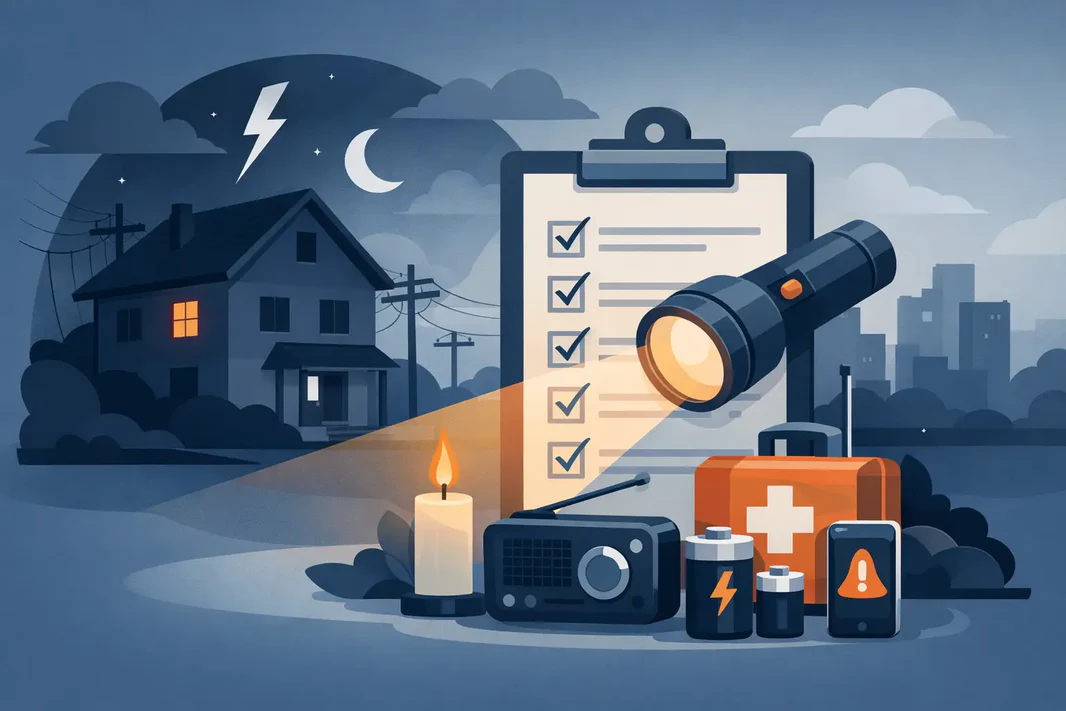
The lights usually go out at the worst possible time – during dinner, overnight, or right before a storm gets worse. A solid power outage emergency checklist helps you make fast decisions without guessing, whether you are protecting a freezer full of food, keeping medical devices running, or just trying to get through the night safely.
Most outage problems are not dramatic at first. They start small. Your phone battery is at 18 percent. The garage door will not open. The sump pump is silent. A few hours later, the fridge is warming up, the house is getting uncomfortable, and everyone is asking the same question: what now?
Your power outage emergency checklist starts before the outage
Preparation matters more than reaction. If you wait until the grid is down, your options shrink fast. Stores sell out, gas stations get crowded, and charging becomes a problem. The goal is simple: know what you need to power, how long you need to power it, and what backup option fits your home and budget.
Start with the essentials. For most households, that means refrigeration, lights, phones, internet, medical equipment, heating or cooling support, and water-related systems such as a well pump or sump pump. Not every home needs the same setup. An apartment resident may only need a portable power station for communications, lights, and a small fan. A homeowner in a storm-prone area may need a generator that can handle refrigerators, freezers, pumps, and select circuits.
That is the first trade-off to understand. Bigger systems cover more, but they cost more, take up more space, and may require more planning. Smaller systems are easier to store and use, but they may only support a few critical devices. The right answer depends on your outage risk, the size of your home, and what cannot go offline.
What to have on hand before the grid goes down
Every home should keep a basic outage kit in one place. Flashlights are better than candles for safety. Extra batteries, a weather radio, phone charging cables, a power bank, bottled water, and shelf-stable food are standard for a reason – they solve the first wave of problems when the power cuts out.
If you rely on refrigerated medicine, CPAP equipment, mobility devices, or other health-related gear, backup power moves from convenience to necessity. In that case, your checklist should include fully charged batteries, any approved backup units, and a written plan for where to go if the outage lasts longer than expected.
Fuel planning matters too. If you use a portable generator, do not assume you can fill up later. Keep approved fuel containers stored correctly and follow all local safety guidelines. If you prefer lower maintenance and quieter operation, a portable power station or solar-ready battery system may be a better fit, especially for short outages or indoor use. These systems are often easier for families who want backup power without fuel rotation, pull starts, or engine maintenance.
The first 15 minutes after an outage
When the power goes out, slow down. The first step is confirming whether the outage is only in your home or across the area. Check your panel if it may be a tripped breaker. Look outside for neighborhood lighting, but do not go near downed lines or damaged equipment.
Next, protect your battery life. Lower your phone screen brightness, stop background apps, and avoid streaming. If severe weather is involved, save power for emergency alerts and communication. A charged phone does more than keep you connected – it gives you access to utility updates, weather information, and family coordination.
Then move to food protection. Keep refrigerator and freezer doors closed. A closed fridge can usually hold a safe temperature for around four hours, while a full freezer can stay cold much longer if left unopened. Opening doors repeatedly is one of the fastest ways to turn a manageable outage into a food loss issue.
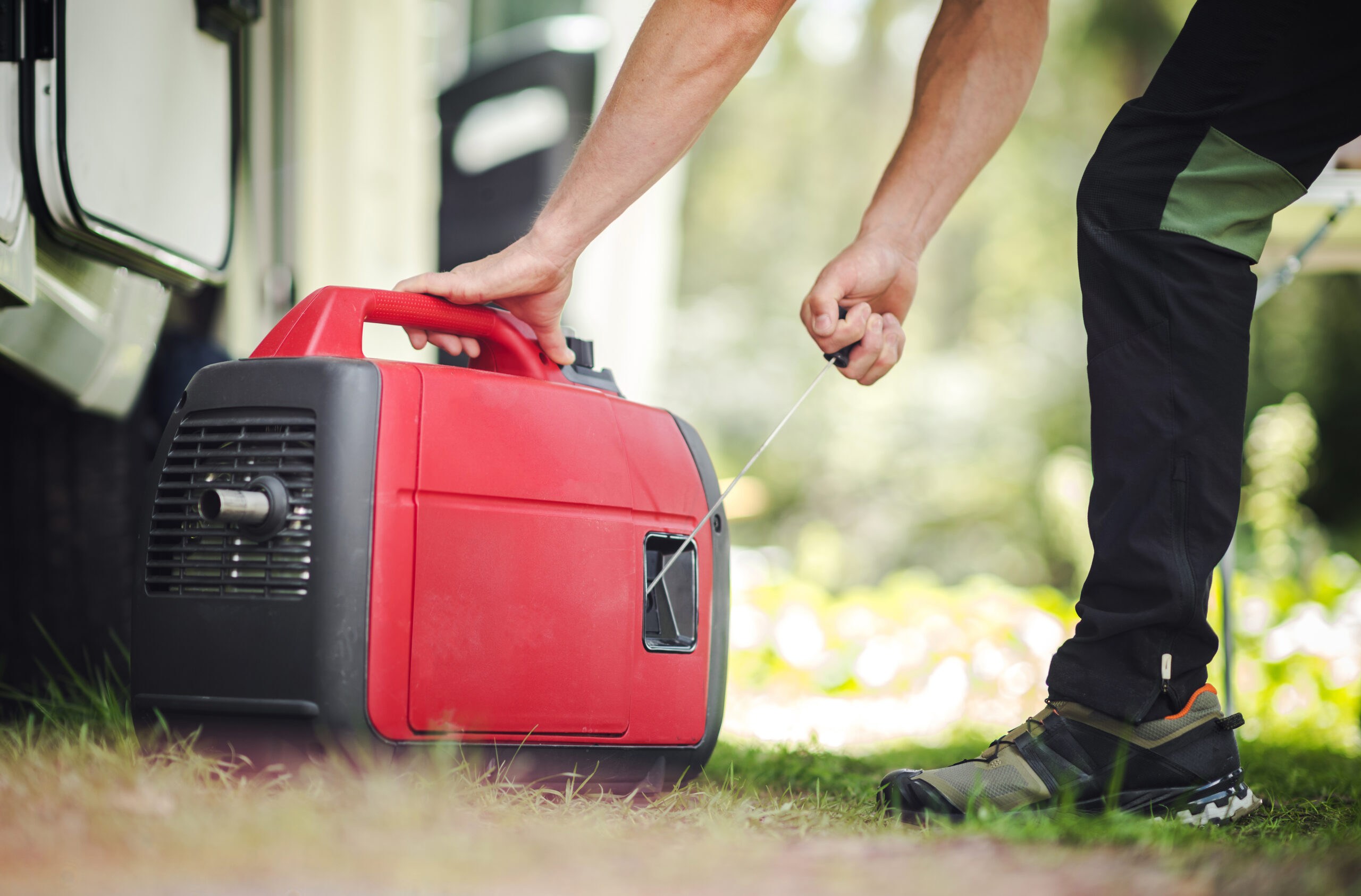
If you own backup power equipment, now is the time to use it the right way. Portable generators must stay outdoors and away from doors, windows, and vents. Never run one in a garage, even with the door open. Carbon monoxide risk is serious, and every outage season proves that people still underestimate it.
Choosing backup power for this checklist
The best power outage emergency checklist includes the right equipment, not just supplies. That means matching the backup source to the job.
Portable generators
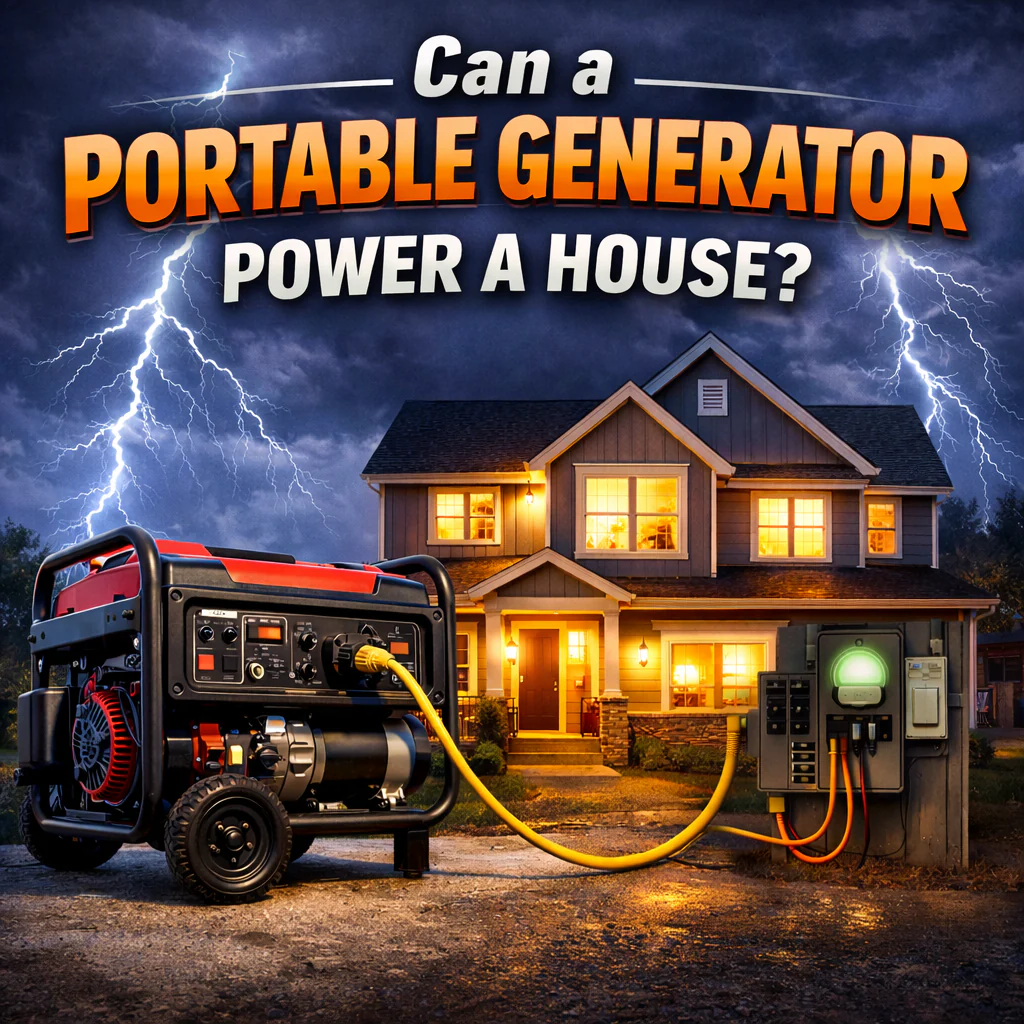
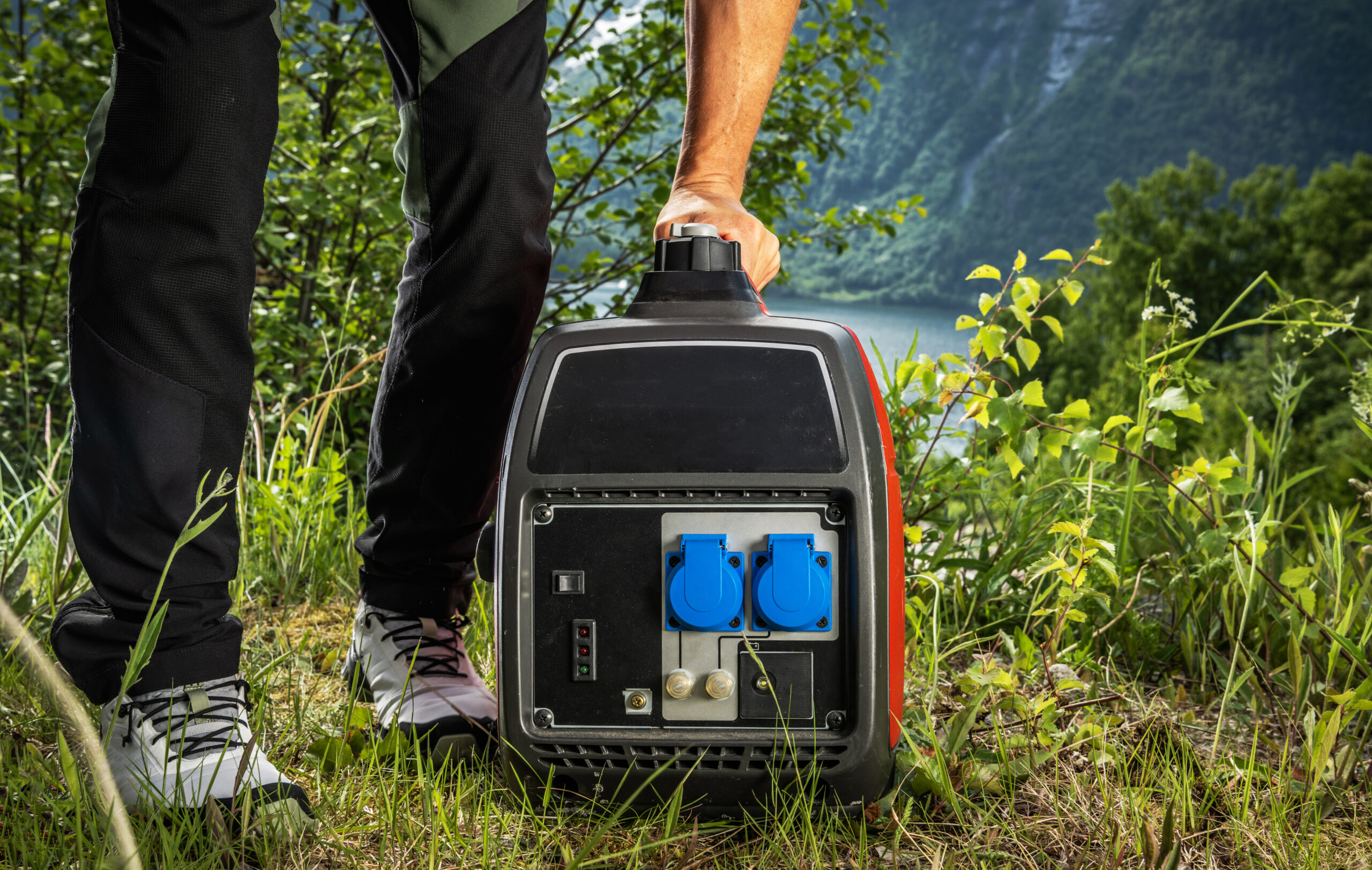
Portable generators are a practical choice when you need strong output for essentials like refrigerators, freezers, pumps, and multiple household items. They are often the best fit for homeowners who face longer outages and need more wattage at a lower upfront cost than whole-home standby systems.
The trade-off is fuel, noise, and setup. You need proper extension cord management or a transfer setup, safe outdoor placement, and a plan for refueling. For many buyers, that trade-off is worth it because portable generators can handle larger loads that battery systems may not support for long.
Inverter generators
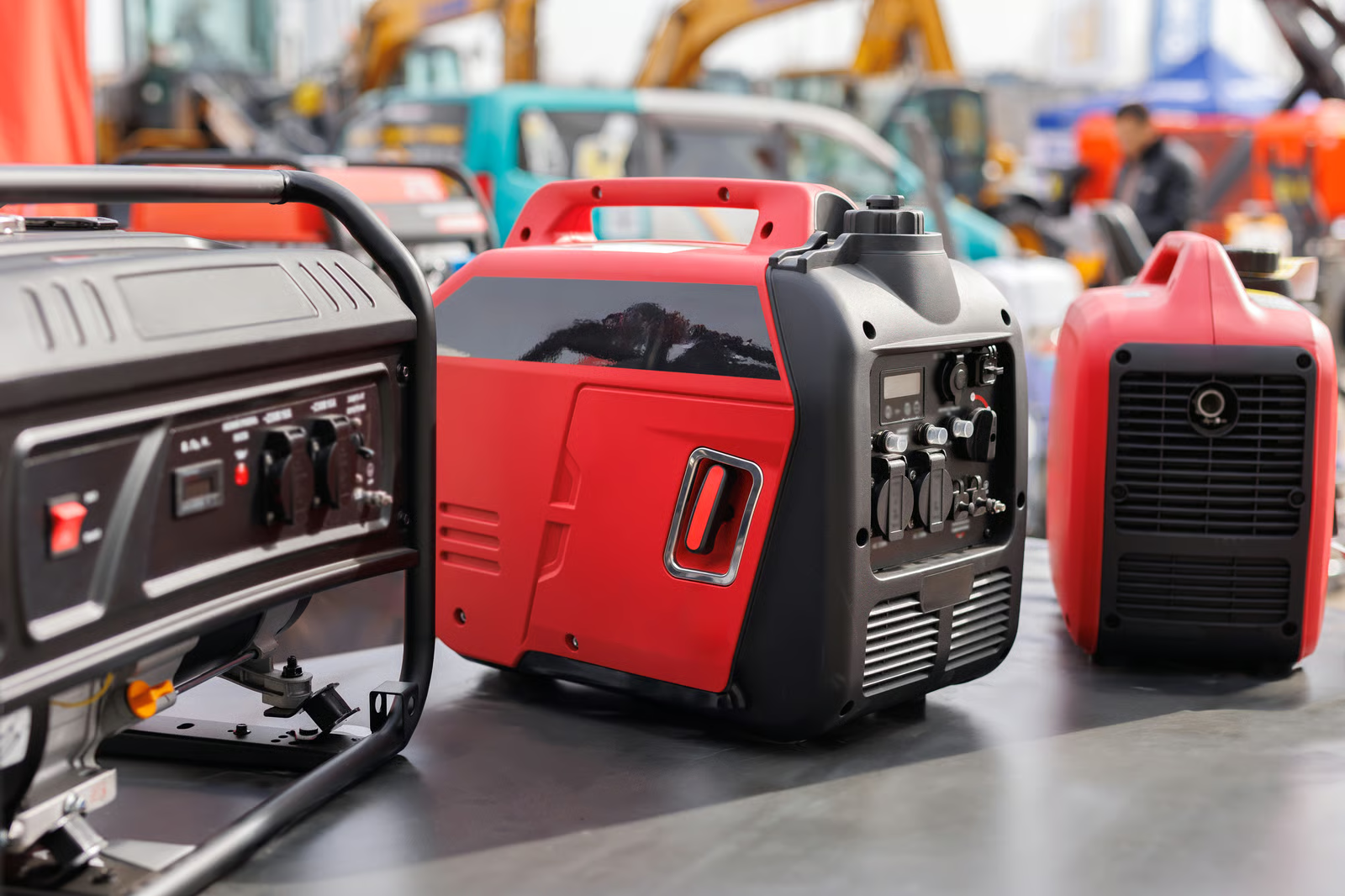
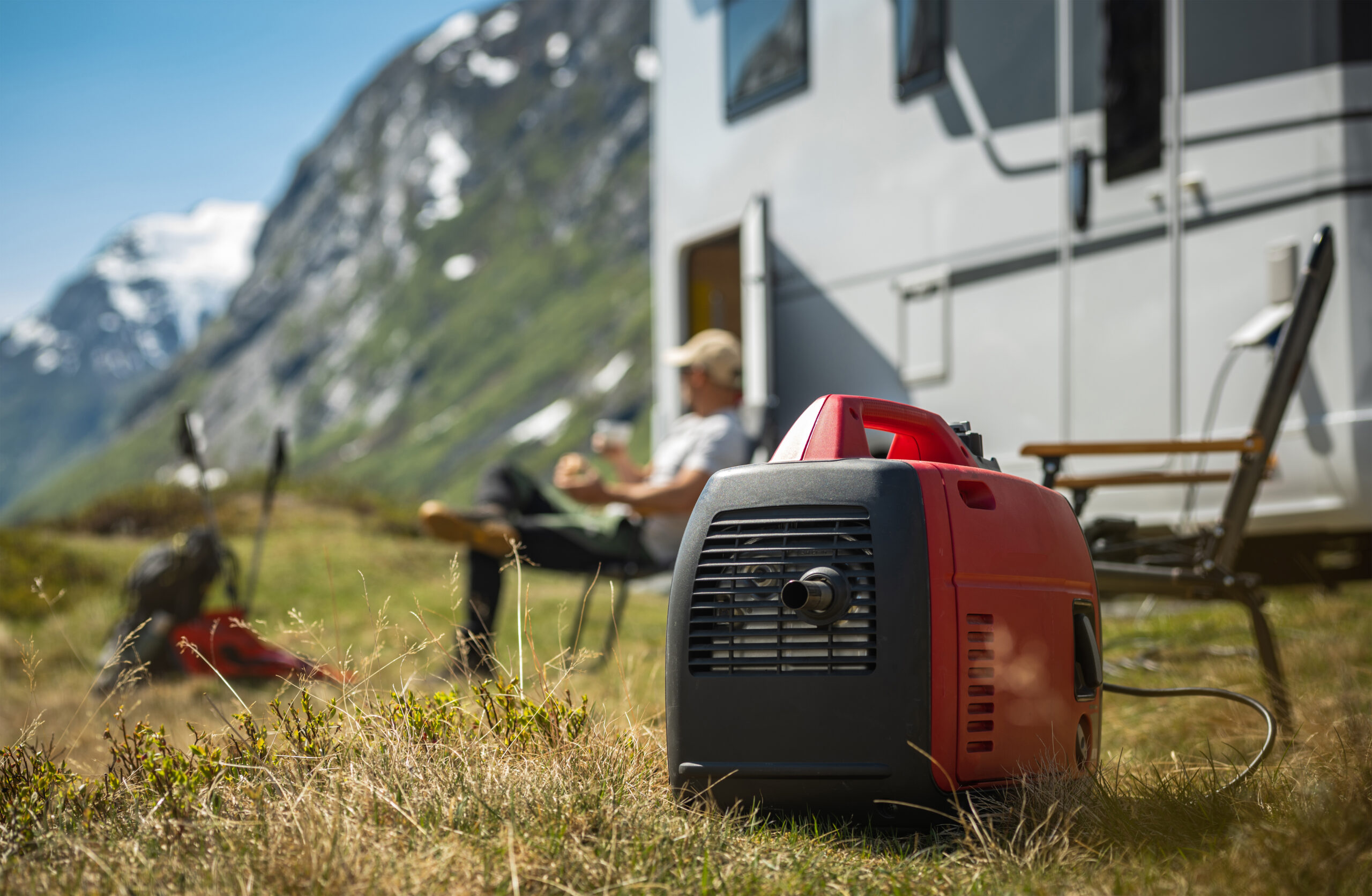
Inverter generators make sense when you want cleaner power for electronics, lower noise, and better fuel efficiency. They are popular for both home backup and mobile use because they are easier to live with in quieter settings.
Their limitation is output. If your checklist includes heavy loads like central air or multiple large appliances at once, an inverter model may need to be sized carefully or paired with a different strategy.
Portable power stations and battery backup
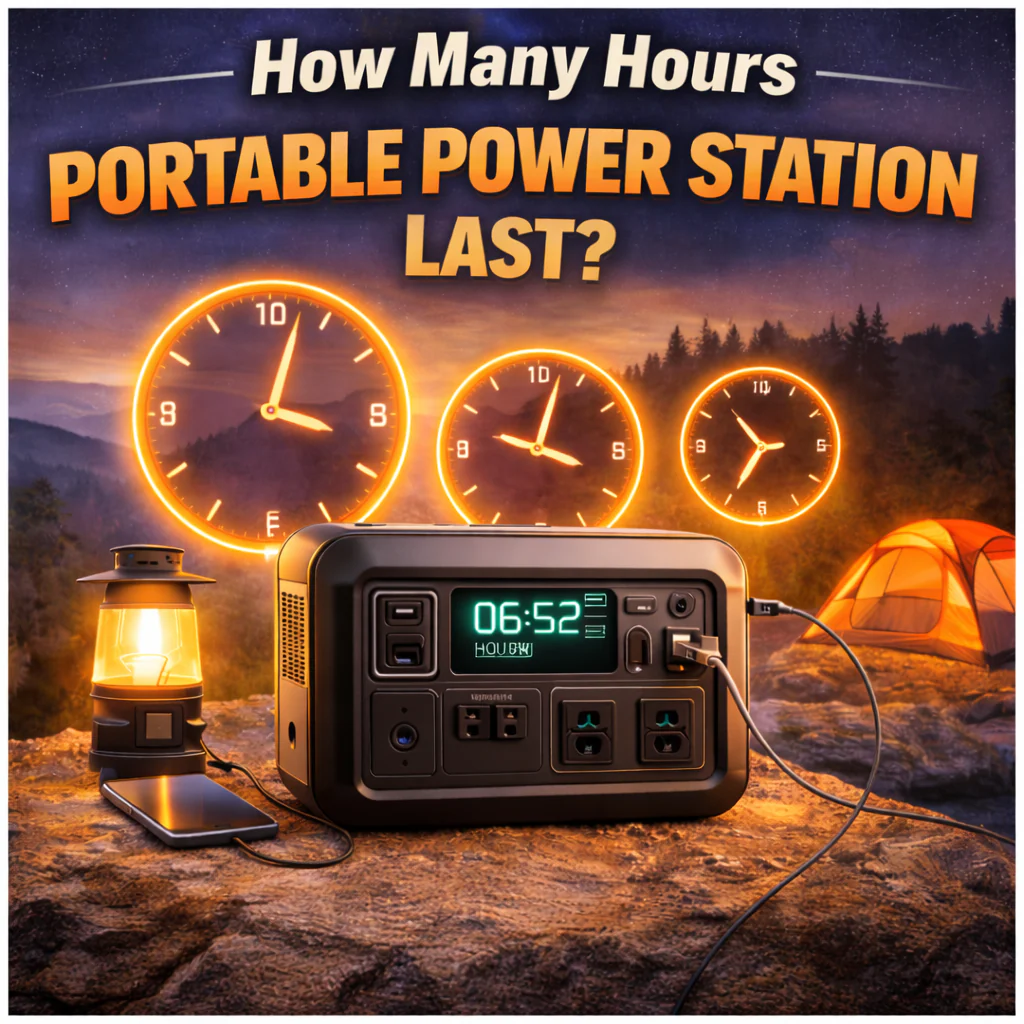
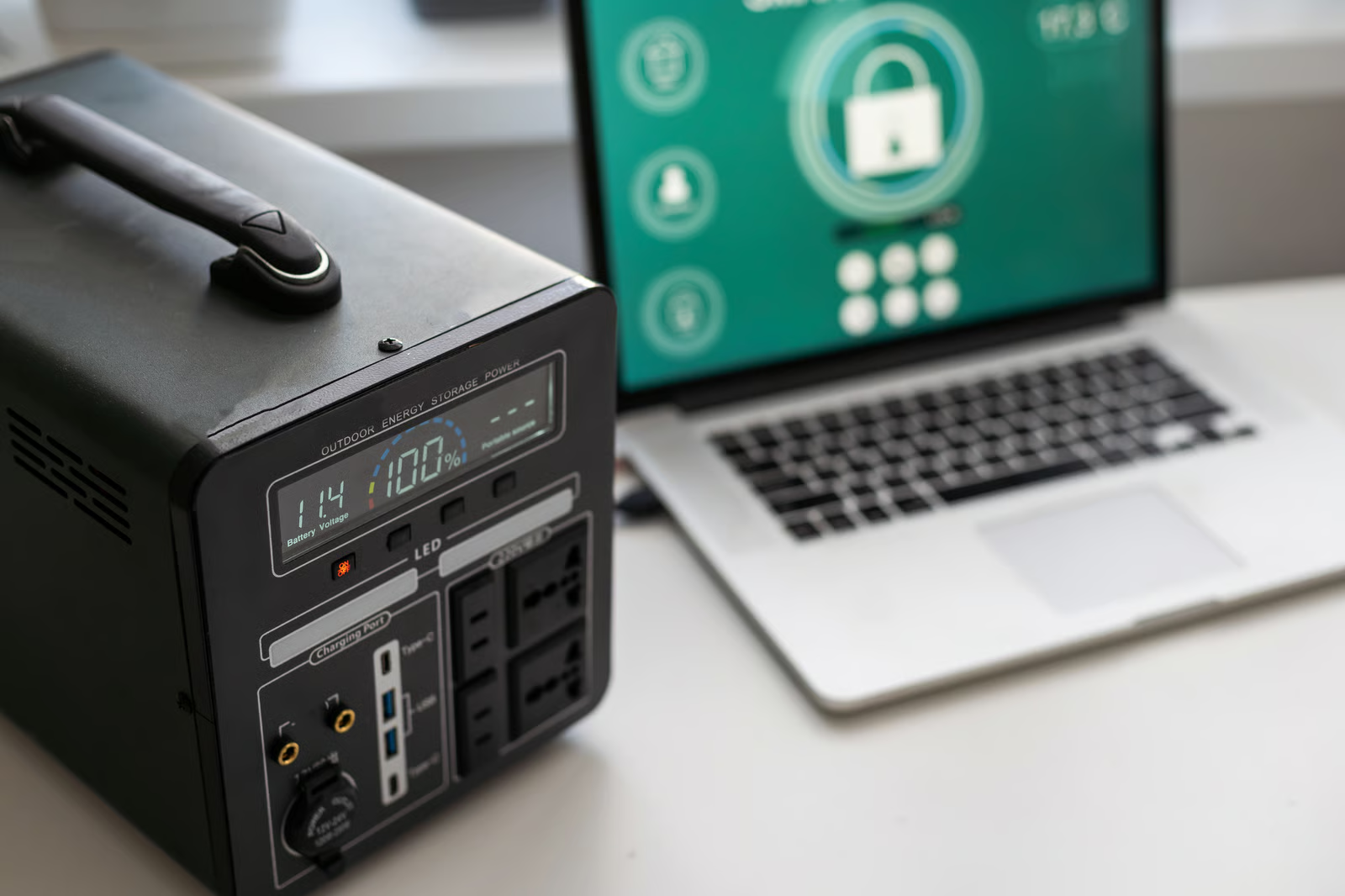
Battery-based backup is simple, quiet, and easy to use indoors. For apartment residents, RV owners, and households focused on charging devices, lights, modems, laptops, and some small appliances, a portable power station can cover a lot of ground with less hassle.
This option becomes even more attractive if you want solar charging capability. A solar-ready power station can stretch runtime during extended outages if sunlight is available. The limitation is runtime and wattage. If your outage plan depends on running a space heater, microwave, or large pump for long periods, battery capacity becomes a real consideration.
Standby generators
For buyers who want automatic backup and minimal interruption, standby generators offer the most convenience. They can restore power to selected circuits or larger portions of the home without manual setup.
That convenience comes with a higher upfront investment and installation requirements. For some homes, it is the right long-term answer. For others, a portable generator or battery setup is a smarter fit for the budget.
A practical room-by-room outage plan
A checklist works better when it reflects how people actually move through the house. In the kitchen, focus on food safety, limited door opening, and backup for refrigeration if the outage is expected to last. In bedrooms, keep flashlights, charged phones, and any medical backup gear within reach. In the basement or utility area, watch for sump pump issues and know whether you have the power source to keep water under control.
If you work from home, your outage plan should include internet equipment, laptop charging, and at least one reliable lighting source for a few hours. If you have children, add comfort items early. A dark, hot, or quiet house can feel stressful fast, and routine matters more than people expect.
What people forget on a power outage emergency checklist
The most common mistake is focusing only on watts and forgetting duration. Running a device for ten minutes is different from running it for ten hours. That is why it helps to list your must-run items separately from nice-to-have items.
Another miss is extension cord quality. If you are using a portable generator, your cords need to be rated properly for the load and outdoor conditions. Poor cord choices create voltage drop, overheating, and frustration right when you need reliability.
People also forget about recharging and refueling strategy. If an outage lasts into day two, what is your plan? That answer may involve extra fuel, a larger battery bank, solar input, or simply reducing the number of devices you try to support.
Keep the checklist current, not perfect
A good outage plan is not a one-time project. Test flashlights. Charge battery stations. Start your generator according to the maintenance schedule. Replace expired supplies. Review your critical loads once or twice a year, especially if you add appliances, move, or change medical needs.
If you are shopping for backup power, keep the buying question simple: what do I need to keep running, for how long, and with how much convenience? That framework cuts through a lot of confusion. GenVault serves buyers who want those answers without the guesswork, whether the right fit is fuel-based backup, battery storage, or a solar-ready setup.
The best time to build your outage plan is when the lights are still on. Once you have a checklist that matches your home, the next blackout feels a lot less like an emergency and a lot more like something you already planned for.