
If you have ever tried to run a laptop, TV, tool charger, or small appliance from a battery, you have already run into the question that power inverters are built to solve. Batteries store DC power. Most household devices expect AC power. The inverter is the bridge between the two, and choosing the right one can make the difference between reliable portable power and a setup that trips, overheats, or simply does not run what you need.
For shoppers comparing backup power, RV gear, off-grid equipment, or mobile work setups, power inverters can look simpler than they are. Wattage matters, but so do waveform, battery voltage, surge capacity, and how long you actually need to run a device. A good buying decision starts with your use case, not just the price tag.
What power inverters actually do
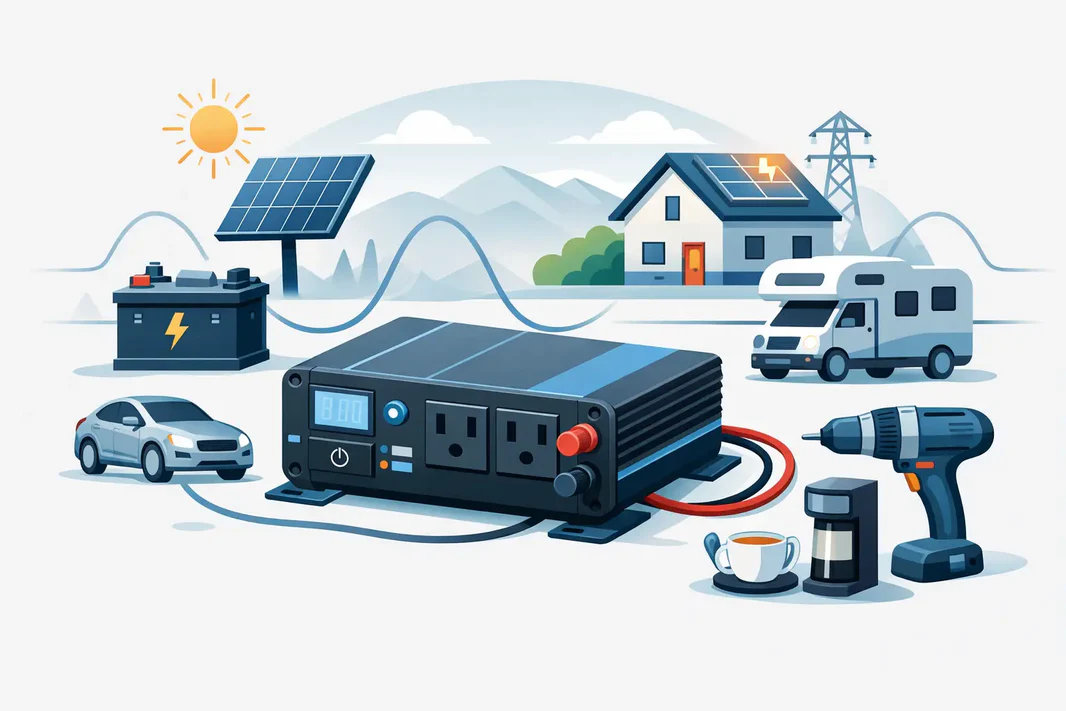
A power inverter converts direct current from a battery into alternating current that standard household electronics and appliances can use. In practical terms, that means a 12V battery bank in a vehicle, trailer, or backup system can power devices that normally plug into a wall outlet.
That does not mean every inverter can run every device. A phone charger draws very little power. A microwave, space heater, or sump pump is a different story. Some loads are steady. Others spike hard at startup. That is where many first-time buyers get caught off guard.
The easiest way to think about an inverter is as part of a larger system. The inverter matters, but so do the battery capacity, cabling, charging method, ventilation, and the type of loads you plan to run. If one part is undersized, the whole setup underperforms.
Pure sine wave vs modified sine wave power inverters
This is one of the most important distinctions, especially if you want dependable results.
Pure sine wave power inverters produce electricity that more closely matches utility power from a standard wall outlet. They are the better choice for sensitive electronics, newer TVs, CPAP machines, certain battery chargers, and appliances with variable-speed motors or digital controls. If your goal is broad compatibility and fewer surprises, pure sine wave is usually the safer pick.
Modified sine wave models cost less, and for simple loads they can still work fine. Basic lights, some tools, and older devices may run without issue. But there is a trade-off. Some equipment may buzz, run hotter, charge poorly, or refuse to operate at all. If you are buying for emergency preparedness and want confidence during an outage, this is not the place to gamble just to save a little upfront.
Sizing power inverters the right way
Most buying mistakes happen here. People shop by the inverter’s advertised wattage without checking what their devices actually draw.
Start with the running watts of every item you want to power at the same time. Then look at startup surge. Many devices with motors or compressors need a brief burst of extra power to start. A fridge might run at a modest wattage once operating, but the startup draw can be much higher. If the inverter cannot handle that surge, it may shut down even though the listed running watts seem acceptable.
A small electronics setup might only need a 300W to 600W inverter. An RV entertainment and charging setup may call for 1000W to 2000W. Running heavier household loads from a battery system often pushes you into 3000W territory and beyond, with matching battery capacity to support it.
It also helps to leave some headroom. Running an inverter at its limit all the time is harder on the system and gives you less flexibility. If your expected load is close to the inverter’s maximum rating, step up.
Battery size matters as much as inverter size
A large inverter does not create power. It only converts what your batteries can supply.
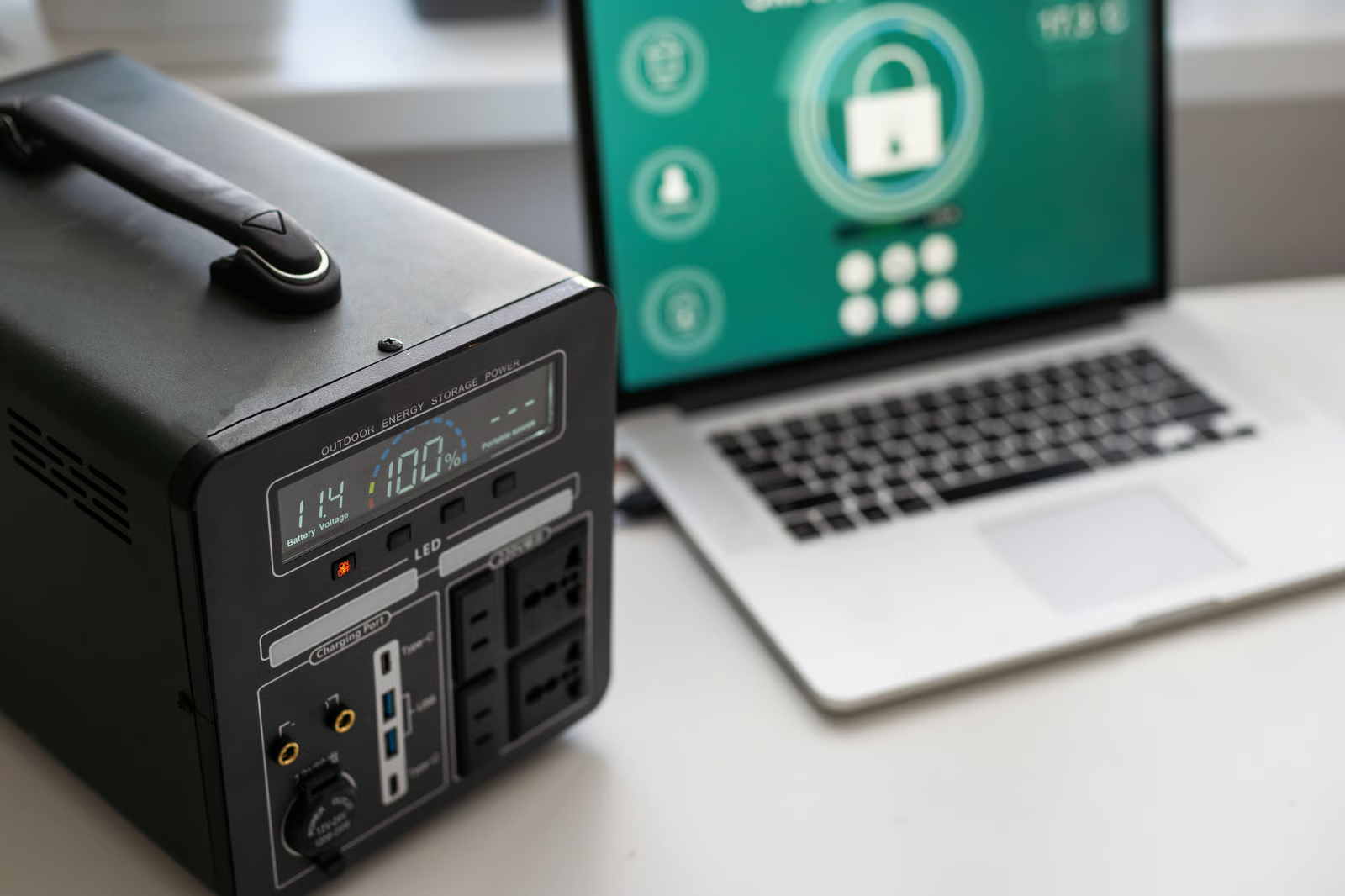
This is where expectations need to stay realistic. You might install a 2000W inverter, but if your battery bank is small, runtime will be short. High-wattage loads drain batteries fast. That is why many shoppers comparing power inverters also end up comparing deep cycle batteries, portable power stations, or solar charging options.
Voltage matters too. Smaller inverters often use 12V systems, which are common in cars, trucks, and RVs. As power demands increase, 24V or 48V setups can become more efficient because they reduce current draw and stress on cables. For a simple mobile setup, 12V is common and practical. For larger off-grid or backup applications, higher voltage may make more sense.
Best uses for power inverters
Power inverters fit a wide range of real-world situations, but they are not the best answer for every situation.
For vehicles and RVs, they are a practical way to power laptops, routers, coffee makers, chargers, and entertainment devices while traveling. For mobile professionals, they can keep tools, batteries, and electronics running from a truck or van. For camping and overlanding, they offer familiar plug-in power without needing shore power.
For emergency preparedness, an inverter paired with batteries can cover quiet indoor loads during an outage. That can be useful for lighting, communications, internet equipment, medical devices, or refrigeration support depending on system size. If you want silent operation indoors, battery-and-inverter setups have clear advantages over fuel-powered equipment.
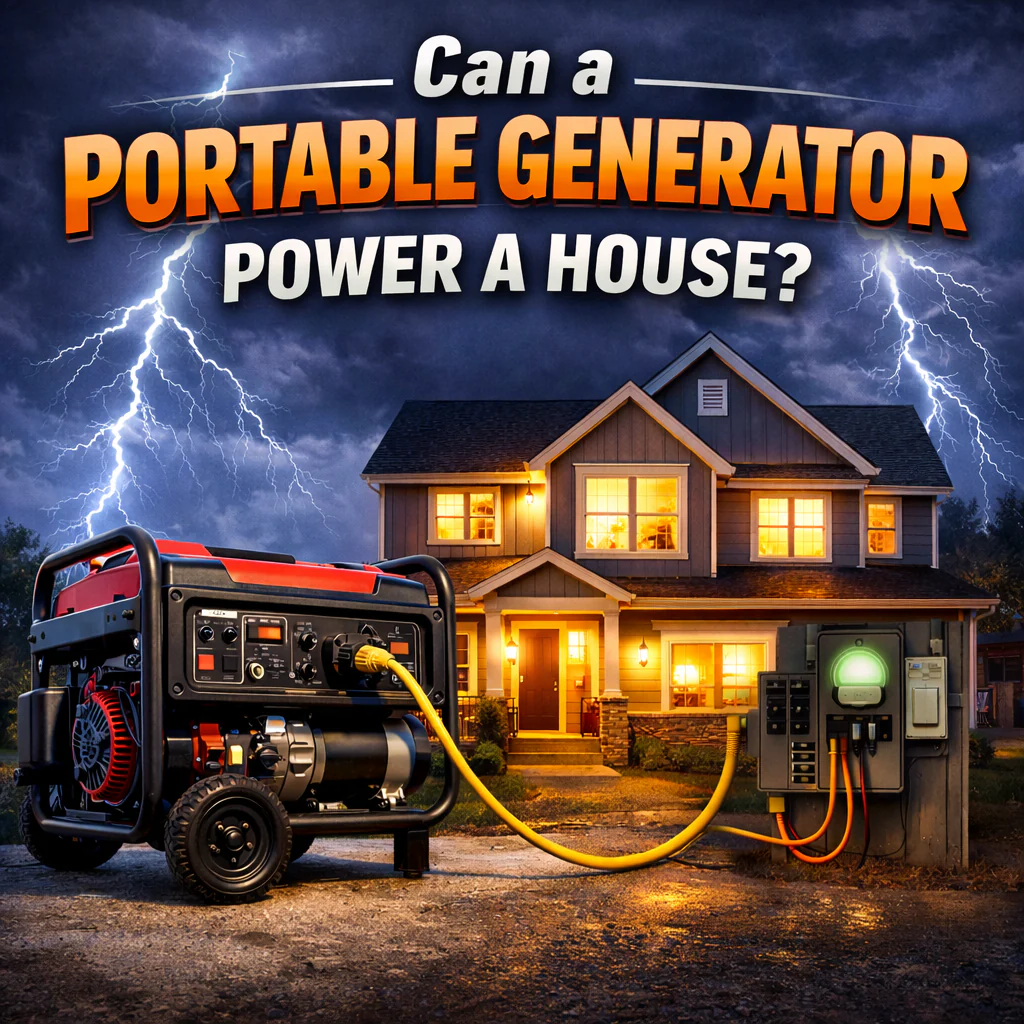
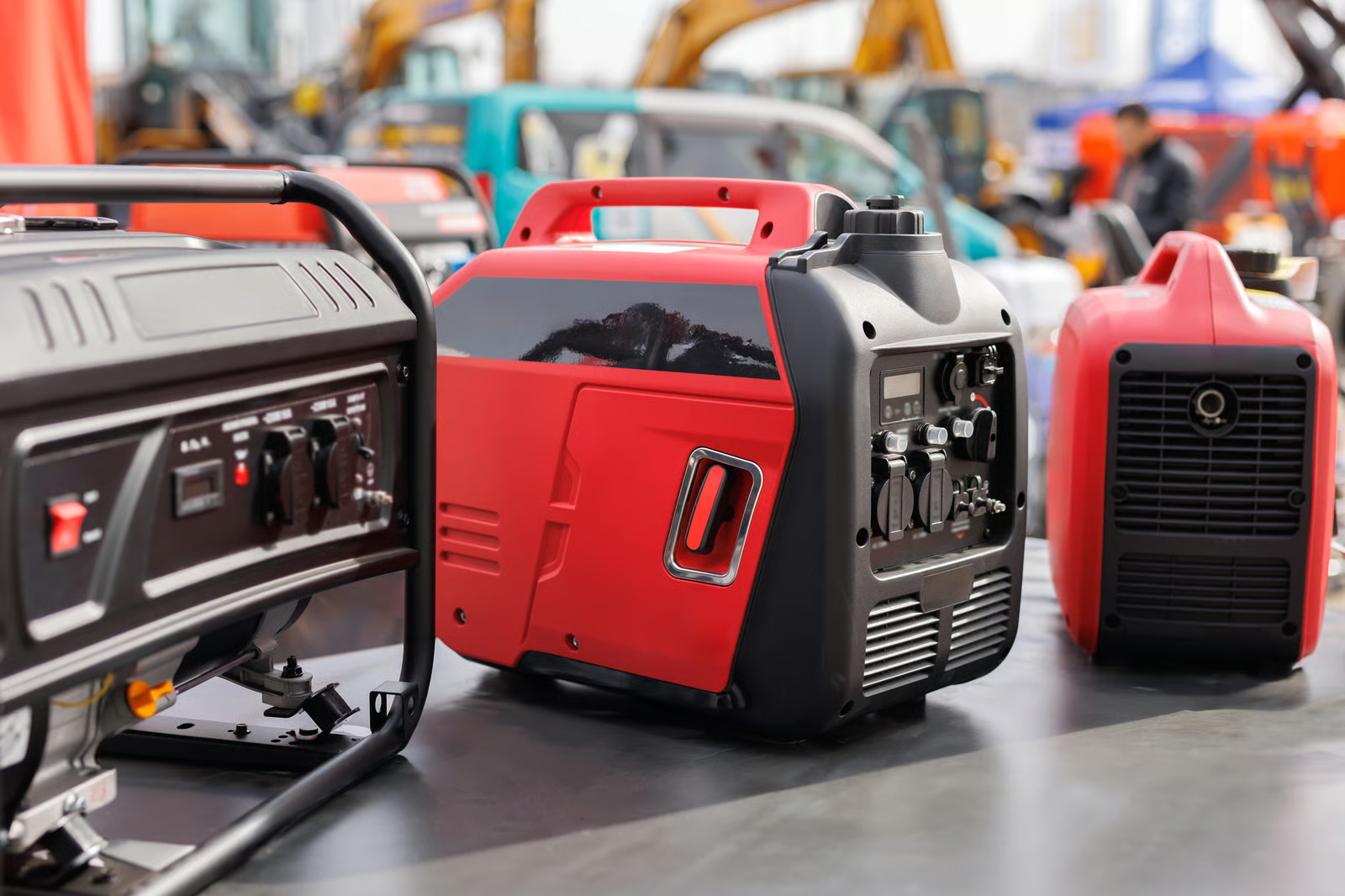
But it depends on the load. If you need to run central AC, large well pumps, electric heat, or multiple kitchen appliances for extended periods, a standalone inverter setup may not be the most practical path unless it is part of a much larger battery system. In those cases, a generator, standby unit, or hybrid backup plan may be a better fit.
Common mistakes buyers make
One common mistake is plugging an inverter into a vehicle’s cigarette lighter and expecting it to power more than small electronics. Those outlets are limited. If you need meaningful wattage, direct battery connection is usually required.
Another is overlooking installation basics. Inverters need proper cable sizing, fuse protection, and ventilation. A quality inverter can still perform badly if it is installed with undersized cables or in a hot, cramped compartment.
Noise is another issue people do not always expect. Some inverters have cooling fans that cycle on under load. That may not matter in a garage or utility bay, but it does matter in a camper, van, or bedroom backup setup.
Then there is the battery chemistry question. Lead-acid batteries can support inverter systems, but lithium options often provide better usable capacity, lower weight, and longer cycle life. The trade-off is price. For occasional outage support, lead-acid may still be serviceable. For frequent cycling or mobile use, lithium often makes more sense.
How to choose power inverters for your setup
The fastest way to narrow the field is to answer four questions. What do you need to run? How many watts do those devices need at startup and while running? How long do you need to run them? And what battery source will support that plan?
If your answer is mostly electronics, charging, and light-duty appliances, a smaller pure sine wave inverter can be a strong fit. If you need to support heavier loads in an RV, cabin, or outage setup, move up in size and pay closer attention to battery bank design. If you need all-day runtime on major household circuits, you may be shopping for a more complete backup system rather than just an inverter.
It also pays to buy from a retailer that covers more than one solution type. Shoppers often start by looking at power inverters and then realize a portable power station, solar generator kit, or generator-backed setup may be a better match for their budget and power goals. That is why category breadth matters. At GenVault, that comparison shopping is part of the value because customers are not forced into a one-size-fits-all answer.
When an inverter is the smart buy
A good inverter setup is a smart buy when you need quiet, flexible AC power from batteries and your loads are well defined. It works especially well for RV travel, mobile work, light backup power, and off-grid convenience. It is less ideal when your power demands are large, continuous, and household-wide.
The right choice usually comes down to honesty about what you expect the system to do. If you size it around real loads, pair it with enough battery capacity, and choose the right waveform, an inverter can be one of the most useful pieces of equipment in your power plan.
Before you buy, think less about the biggest wattage number on the box and more about the devices you actually need to keep running. That is usually where the best decision gets made.