
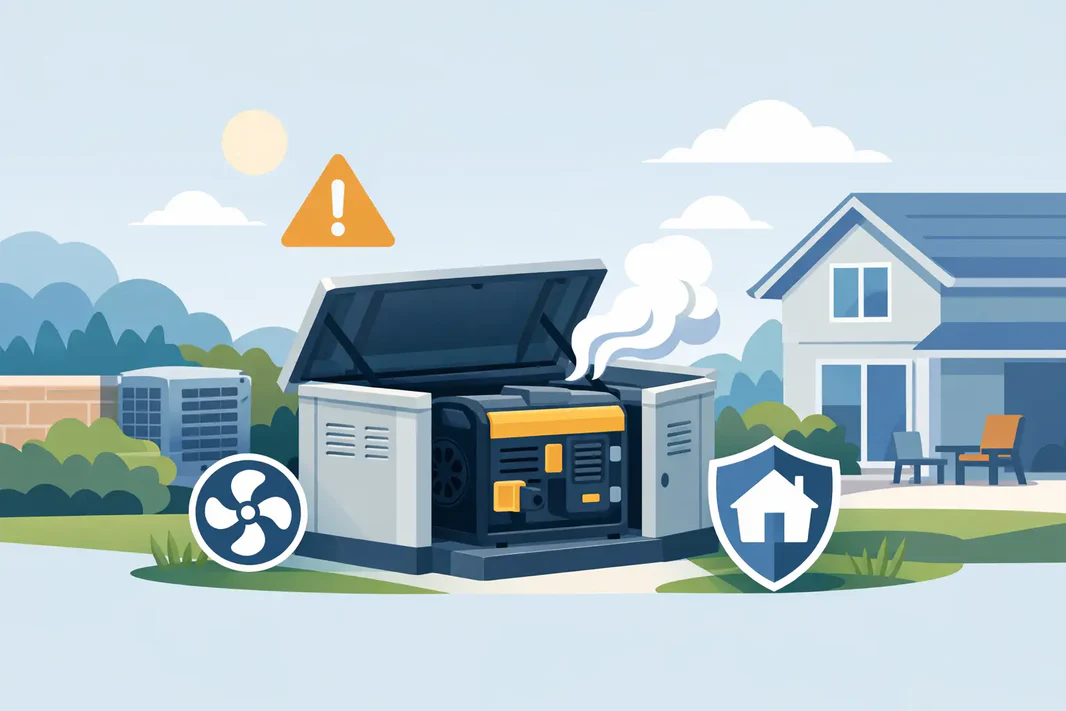
A generator enclosure can solve a real problem fast. It can protect your equipment from rain, reduce noise, and make backup power feel more manageable during an outage. But a bad setup can also trap exhaust, overheat the unit, or create a fire risk. That is why any generator enclosure safety guide needs to start with one simple point: the enclosure should protect the generator without making the generator more dangerous to use.
For most homeowners, the biggest mistakes happen before the generator even starts. The enclosure is placed too close to the house, airflow is treated like an afterthought, or a product that looks weatherproof is assumed to be safe for operation. Those are not small details. They decide whether your backup power setup is merely convenient or actually safe.
What a generator enclosure is supposed to do
A proper enclosure is meant to shield the generator from weather, limit unnecessary exposure, and in some cases reduce noise. It is not supposed to seal the machine in a tight box. Generators create heat, vibration, and exhaust every minute they run. An enclosure has to account for all three.
That is where many buyers get tripped up. Some products are built for storage, not active operation. Others are designed for use while running, with ventilation openings, heat-tolerant materials, and access points for cords and maintenance. The difference matters. If an enclosure is not clearly designed for operation, do not assume you can run a generator inside it just because the fit looks right.
The first rule in any generator enclosure safety guide: ventilation
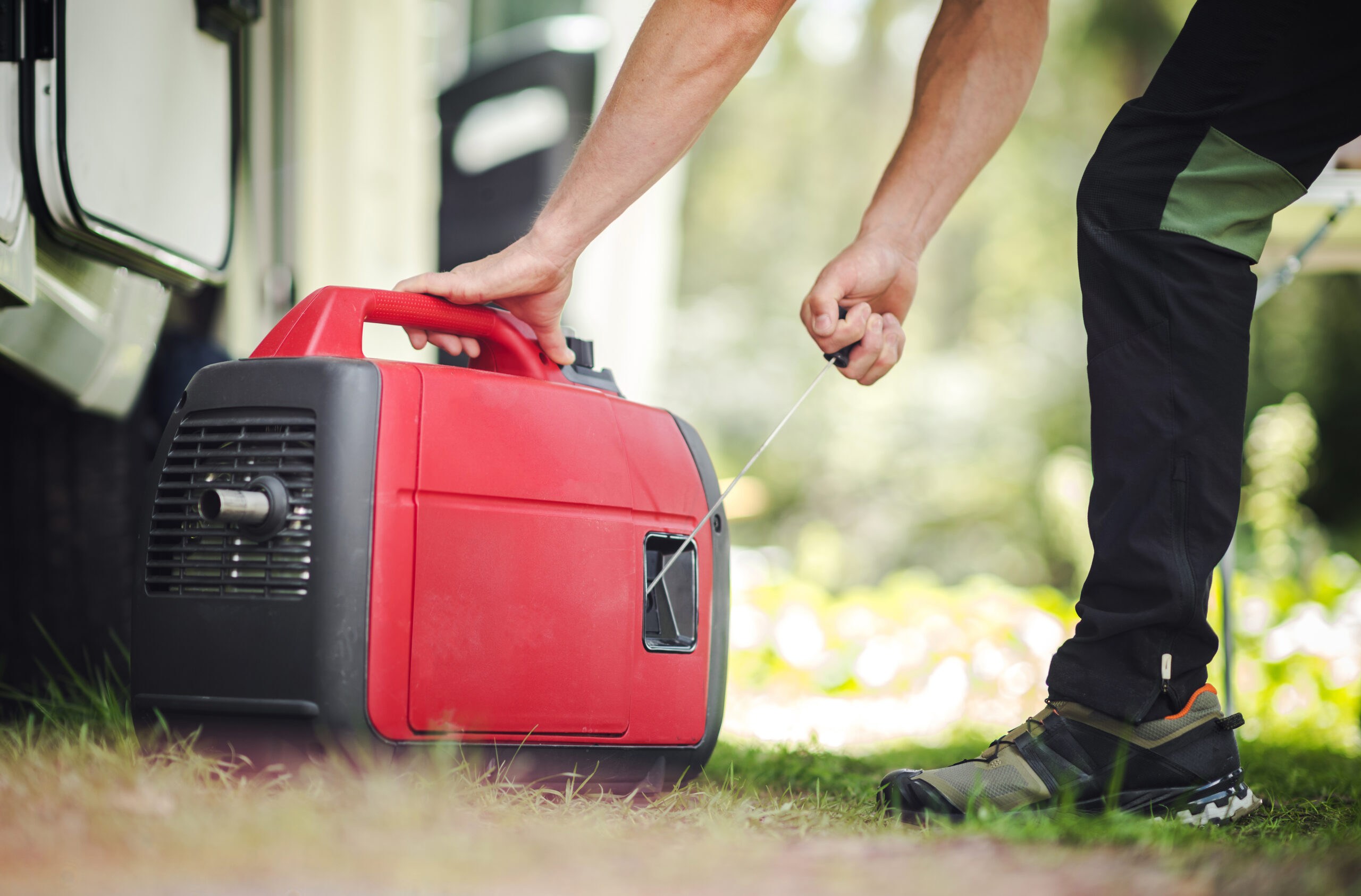
Carbon monoxide is the biggest safety concern with fuel-powered generators, and an enclosure does not change that. It only adds another layer that has to be designed around it. Exhaust gases must move away from the generator and away from people, windows, doors, vents, crawlspace openings, and attached structures.
That means an enclosure should never be treated like a workaround for close placement. If your generator is too near the house without an enclosure, it is still too near the house with one. The enclosure is not a substitute for outdoor clearance.
Ventilation also matters for engine performance. A generator pulls in air, burns fuel, and pushes out hot exhaust. If the enclosure restricts intake air or traps hot air around the engine, operating temperatures climb fast. Some generators will shut down. Others may continue running hotter than they should, which shortens equipment life and raises fire risk.
When you evaluate an enclosure, look at airflow from start to finish. Where does cool air enter? Where does hot air leave? Where does exhaust exit? If those answers are vague, the setup is not ready.
Why “weather resistant” is not the same as “safe while running”
A lot of buyers are understandably focused on storm use. The generator needs protection from rain, snow, and windblown debris. That makes sense. But weather resistance can create a false sense of security if it leads to tighter walls, fewer openings, or improvised covers.
A tarp, plastic shelter, deck box, shed, or DIY cabinet may keep water off the machine, but that does not make it safe for operation. In fact, many improvised solutions are dangerous specifically because they trap heat and exhaust so well. If you need an enclosure for active use, it should be purpose-built for generators and clear about operating conditions.
Safe placement still matters more than the box itself
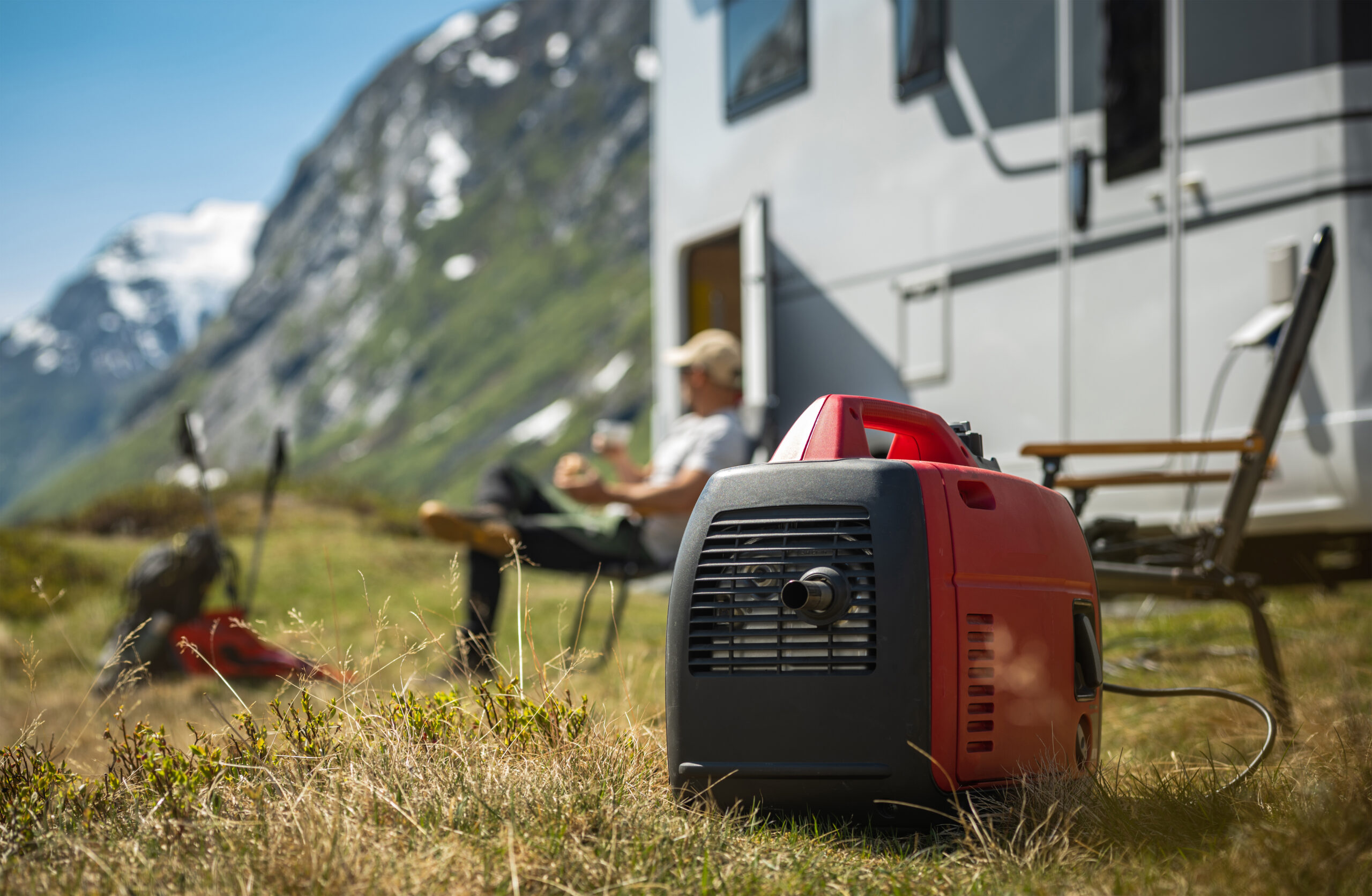
Even the best enclosure cannot fix bad placement. Your generator should be used outdoors in an open area, positioned so exhaust does not drift toward occupied spaces. Local code, manufacturer instructions, and fire safety guidance should drive the final distance requirements.
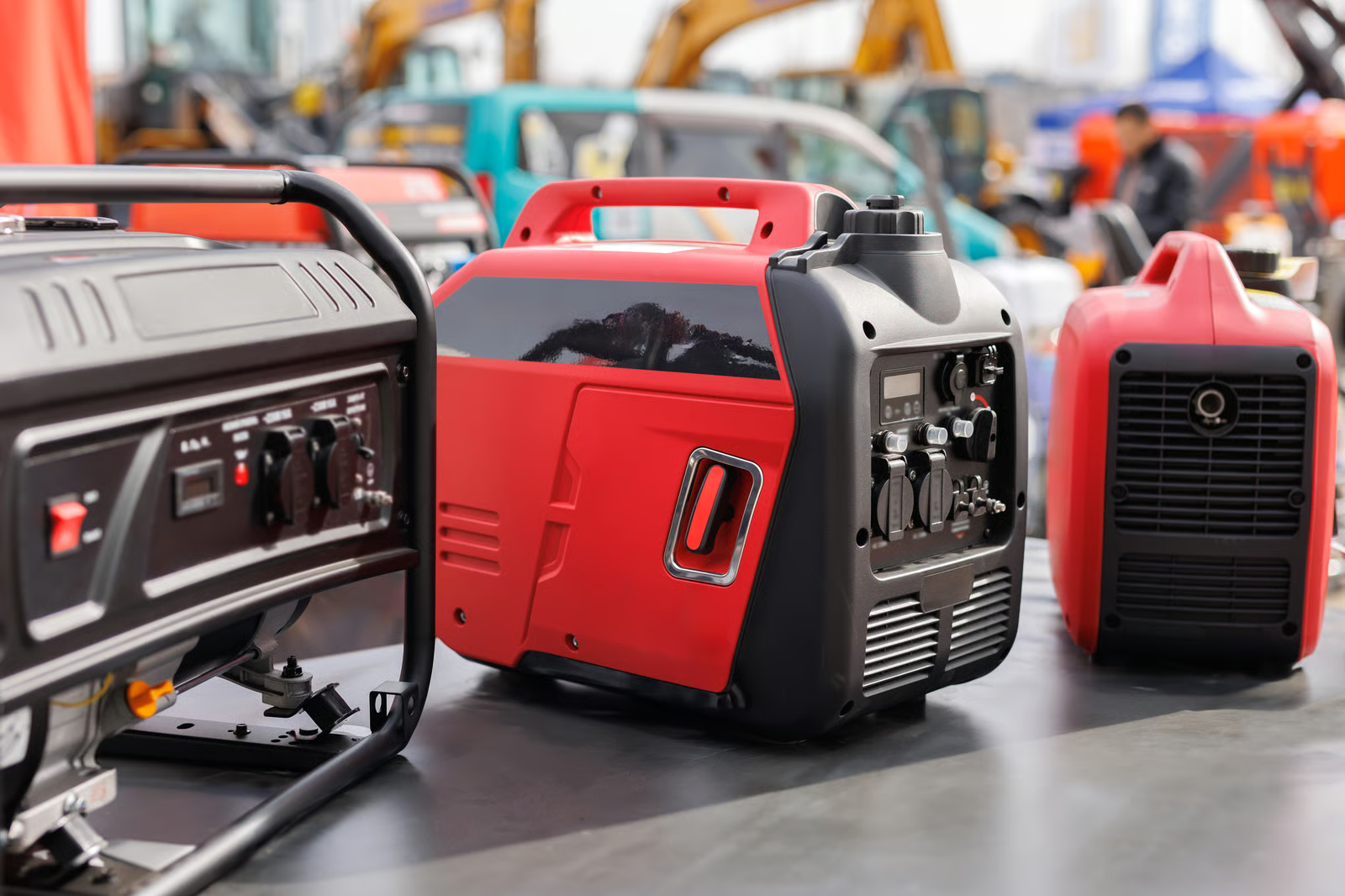
There is no single number that fits every model and every property. Portable generators, inverter generators, and standby units can have different clearance needs. The enclosure itself may also require spacing from walls or fences so it can ventilate properly. That is why the product manual for both the generator and the enclosure should be treated as required reading, not optional fine print.
If you are working with a tighter lot, placement becomes even more important. Wind direction, fencing, overhangs, and neighboring structures can all affect how exhaust and heat behave. In those cases, the safer answer may be a different enclosure type, a different generator category, or a different location entirely.
Heat buildup is the risk people underestimate
Most shoppers understand that generators get hot. Fewer realize how quickly an enclosure can intensify that heat. The engine, alternator, muffler, and exhaust components all contribute. If the enclosure material is not heat-tolerant, or if air cannot move through the structure efficiently, temperatures rise where you cannot easily see them.
This is one reason DIY modifications can go wrong. Adding insulation for sound reduction, narrowing vent openings to keep out rain, or storing extra gear inside the enclosure may seem practical. In reality, each of those changes can reduce airflow or increase combustible exposure.
A safe enclosure should leave room around the generator for ventilation and service access. It should also keep fuel cans, extension cords, paper goods, and other flammables out of the operating space. The enclosure is for the generator, not for general storage.
Fuel and electrical safety in an enclosed setup
Fuel handling gets more complicated when space is limited. Gasoline vapors can accumulate, and refueling a hot generator always carries risk. Shut the generator down and let it cool before adding fuel. Do not store spare fuel inside or immediately next to the enclosure.
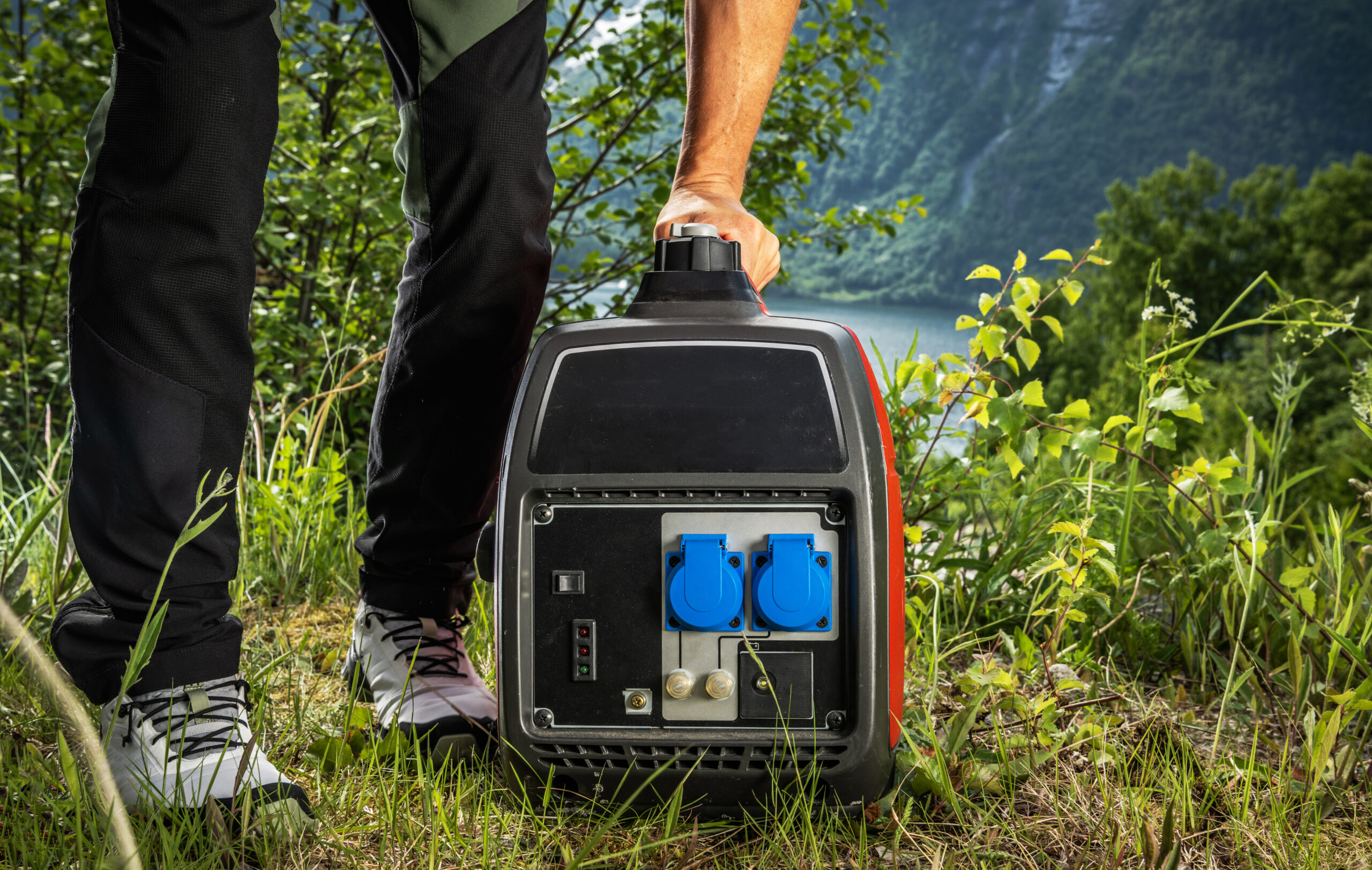
Electrical routing matters too. Power cords should pass through designated openings without being pinched, sharply bent, or exposed to hot engine parts. If the enclosure forces awkward cable runs, that is a sign the setup is fighting the equipment instead of supporting it.
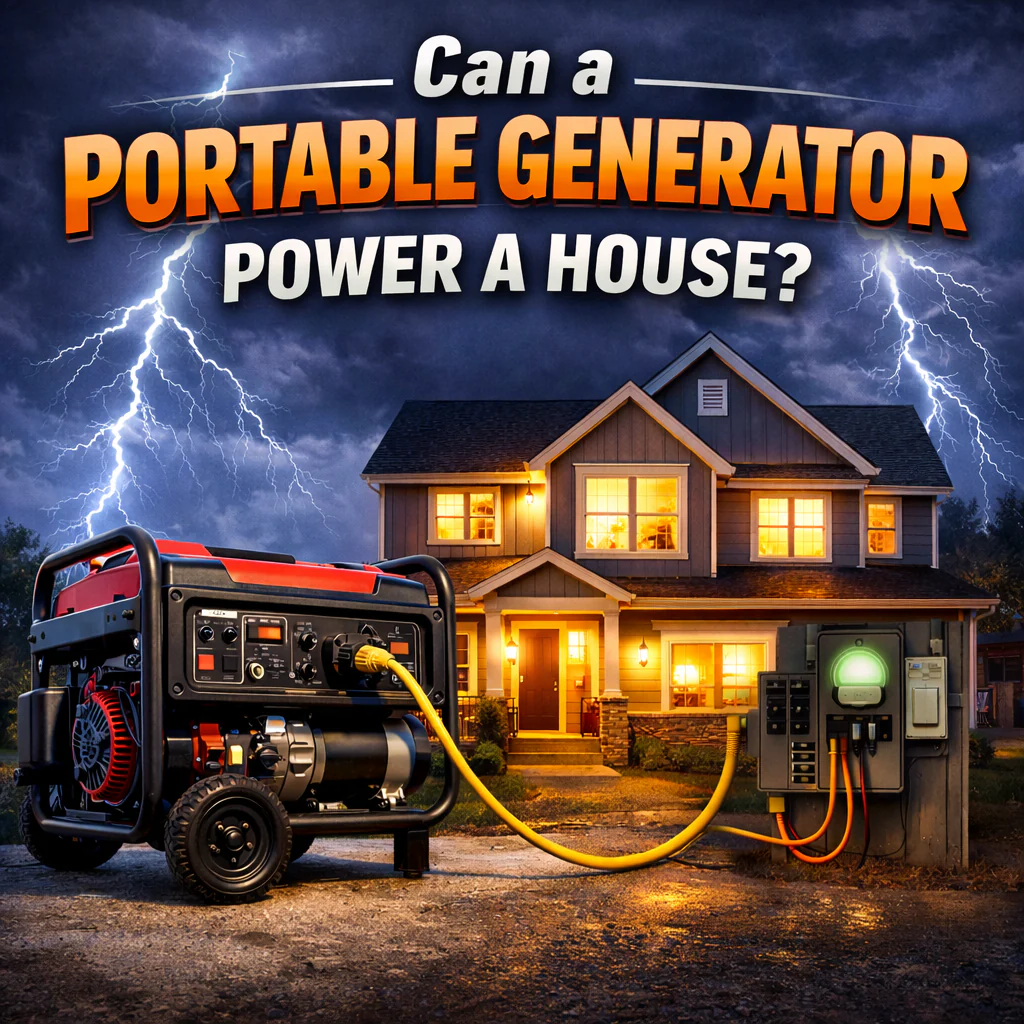
For home backup use, many safety problems start when people try to improvise during an outage. They run cords through doors or windows, overload circuits, or backfeed household wiring. An enclosure will not correct those mistakes. If you want cleaner, safer home connection, a transfer switch or interlock installed by a qualified professional is the right path.
Noise reduction has limits
Many buyers start shopping enclosures because they want a quieter setup. That is reasonable, especially in residential areas or during overnight outages. But noise reduction always involves trade-offs. The more a structure blocks sound, the more carefully it must be engineered to preserve airflow and exhaust management.
That is why heavy soundproofing should raise questions, not lower them. A modest reduction from a properly ventilated enclosure is usually a better outcome than aggressive noise control that compromises engine cooling. If near-silent operation is the goal, an inverter generator or battery power station may be the better fit for the application.
Choosing the right enclosure for your generator
A good generator enclosure safety guide should help you filter products quickly. Start with compatibility. The enclosure needs to match your generator’s dimensions, operating clearance requirements, and exhaust orientation. Then look at build quality, ventilation design, weather handling, and service access.
It also helps to think about use case, not just product specs. A homeowner preparing for occasional outages may want a straightforward enclosure that emphasizes weather protection and safe operation. An RV user or mobile contractor may care more about portability and quick access. A standby system owner may need a code-compliant permanent setup rather than a portable box-style solution.
If you are comparing options, this is where a retailer with a focused backup power catalog can save time. On www.generatorvault.com, buyers can compare generator boxes and enclosures alongside portable generators, inverter models, and battery-based alternatives, which makes it easier to choose a setup that actually fits how the power will be used.
When an enclosure is the wrong answer
Sometimes the safest move is not buying an enclosure at all. If your property does not allow safe outdoor placement, if your generator runs too hot for the enclosure design, or if your main goal is indoor-adjacent convenience, a fuel generator may not be the right tool for that scenario.
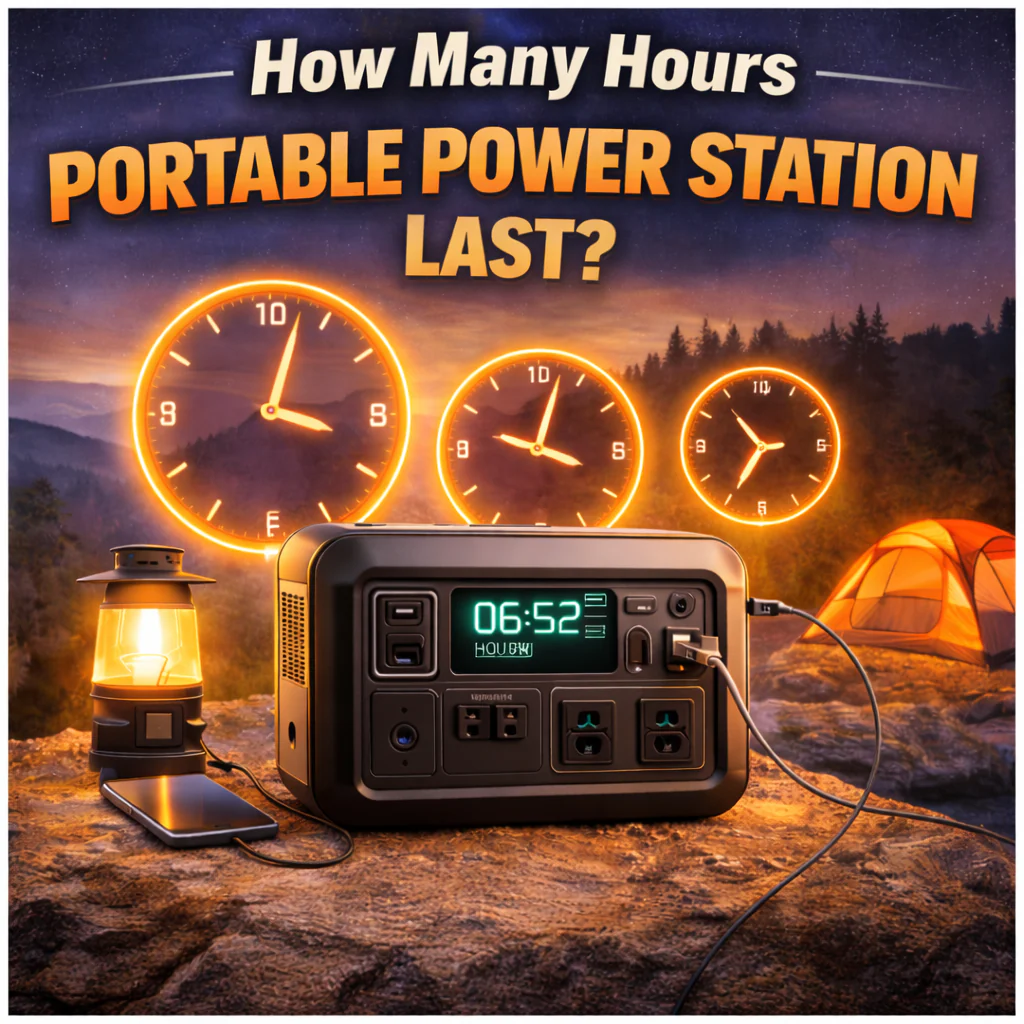
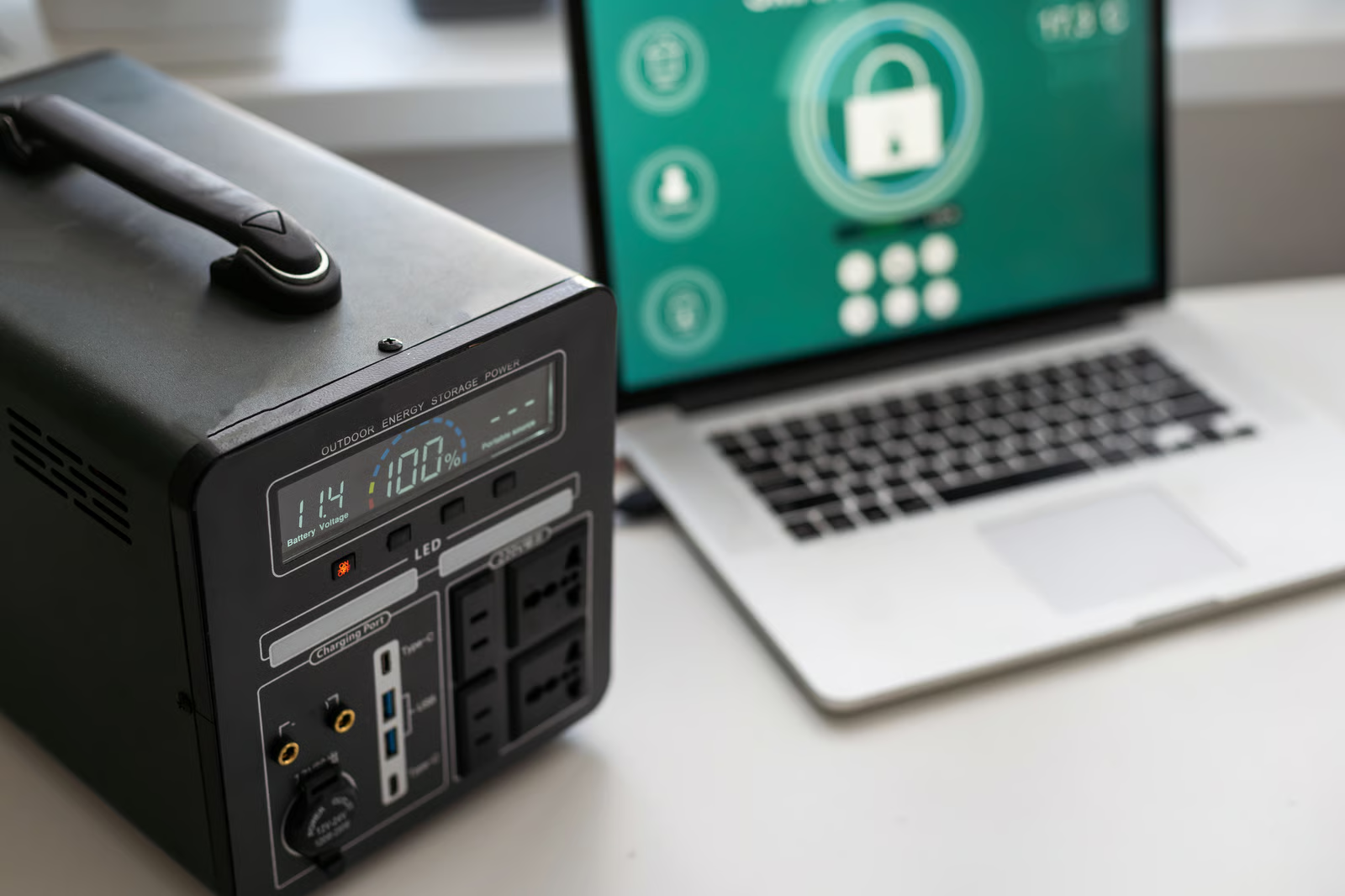
That is where battery backup systems, portable power stations, or solar-ready power stations can make more sense. They do not produce exhaust, which changes the safety equation dramatically. They are not a replacement for every high-demand backup application, but for indoor-friendly emergency power, electronics, refrigeration support, or quiet overnight use, they can be a much better match.
The right power setup is not always the biggest machine or the most protective enclosure. It is the one you can use confidently, correctly, and safely when conditions are already stressful.
Before you buy, picture the exact spot where the unit will run, how air will move, where cords will go, and how refueling and maintenance will happen in bad weather and low light. If the setup still looks simple and safe after that mental test, you are on the right track.