
A sump pump usually fails at the worst possible time – during a storm, after the power goes out, and while water is still rising. That is exactly why choosing the right backup power for sump pump protection matters. If your primary pump depends on utility power, a blackout can turn a manageable drainage problem into a flooded basement fast.
The good news is that there is more than one way to solve it. The right setup depends on how often your pump runs, how long outages tend to last in your area, and whether you want a simple emergency backup or a more flexible power solution you can use elsewhere.
What kind of backup power for sump pump makes sense?
Most homeowners end up comparing three practical options: a dedicated battery backup system, a portable power station or inverter setup, or a generator. Each one can keep a sump pump running, but they do it in different ways and with different limits.
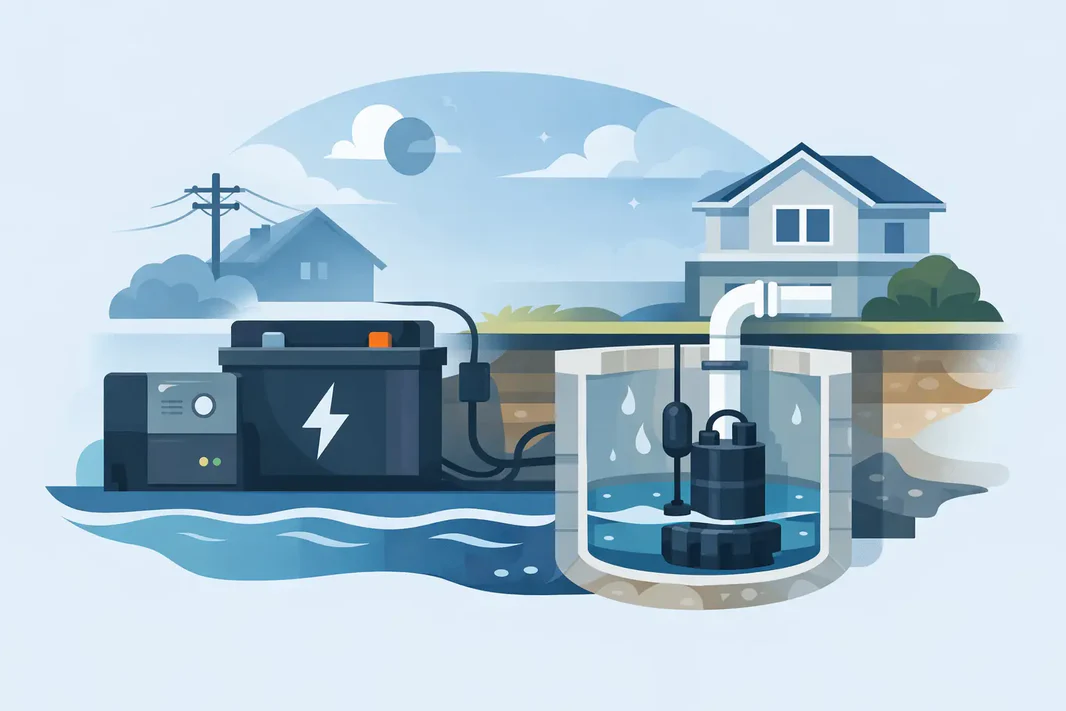
A dedicated sump pump battery backup is the most purpose-built option. It is designed to take over when grid power fails, usually by supporting a secondary pump or powering a compatible backup system. This is a strong fit if your main concern is basement flooding and you want automatic operation without needing to wheel equipment into place.
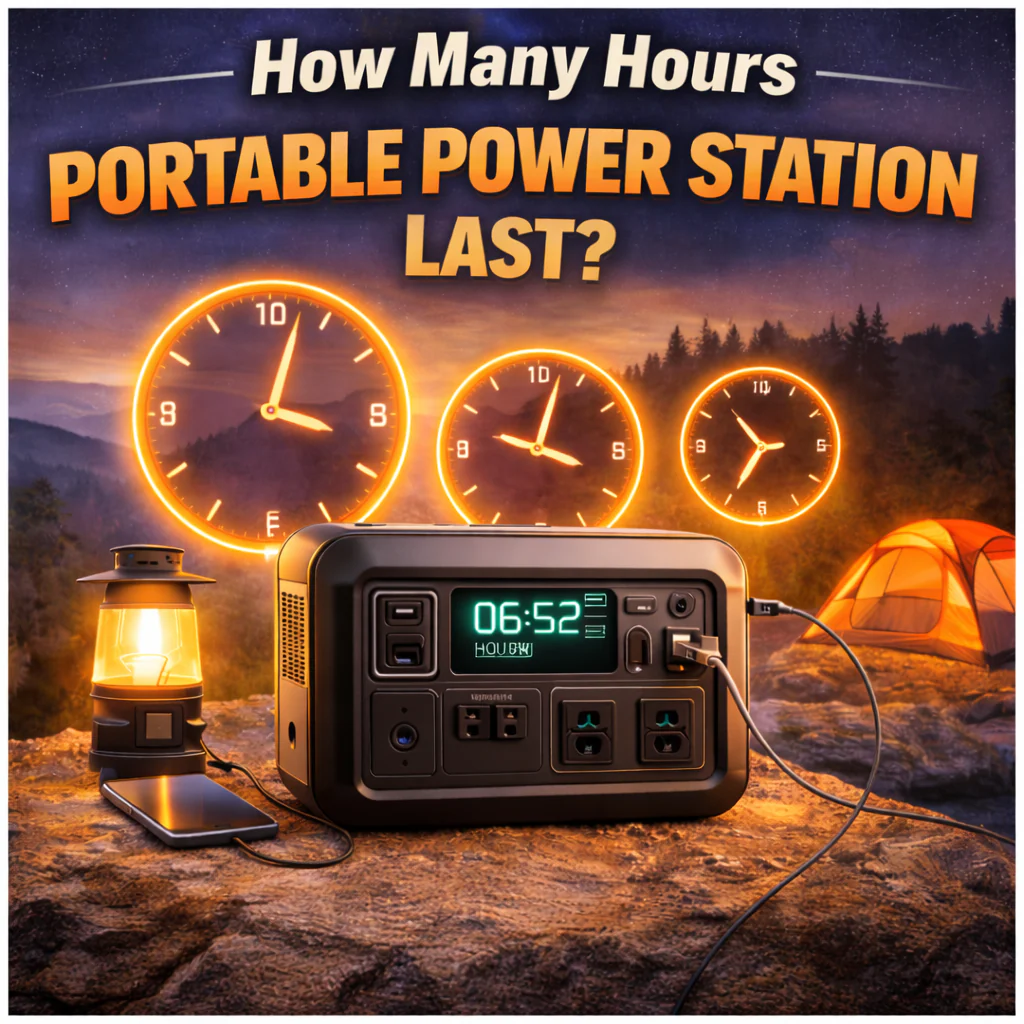
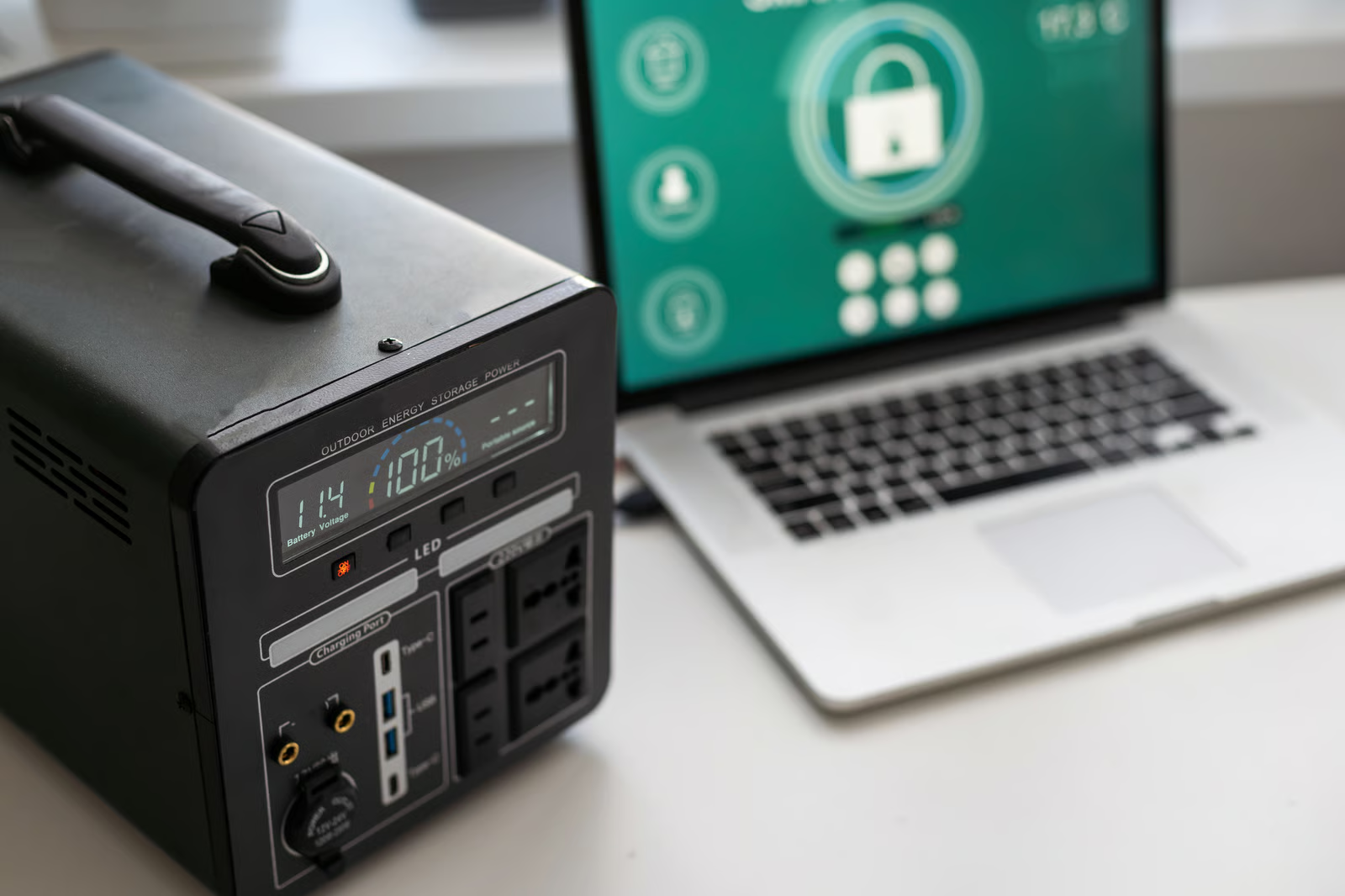
A portable power station can work well when you want cleaner, quieter backup with no fuel storage. This option appeals to homeowners who want emergency coverage for a sump pump but also like the idea of using the same unit for phones, lights, routers, or small appliances during outages. The trade-off is runtime. If your sump pump cycles frequently, battery capacity becomes the deciding factor.
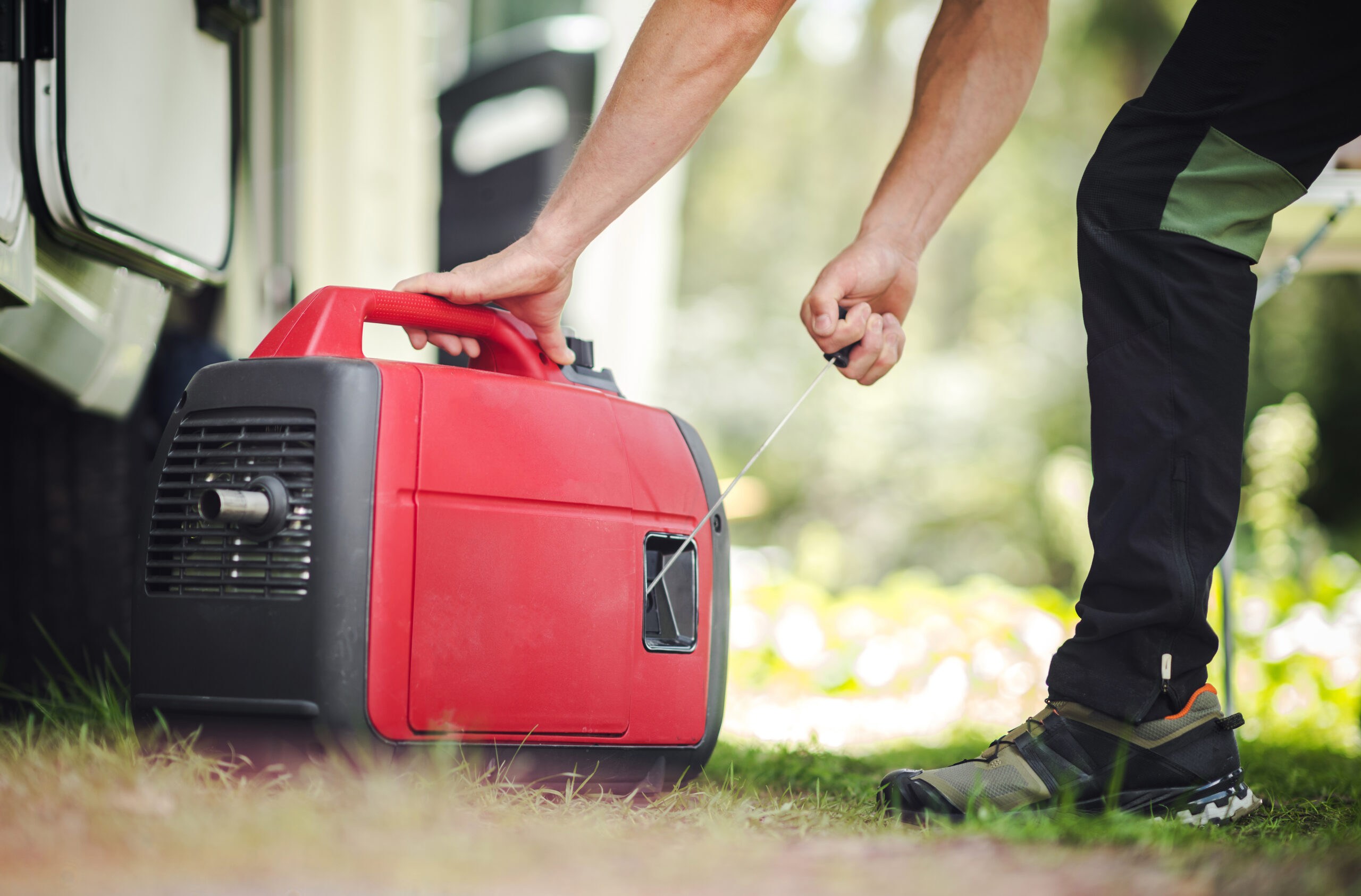
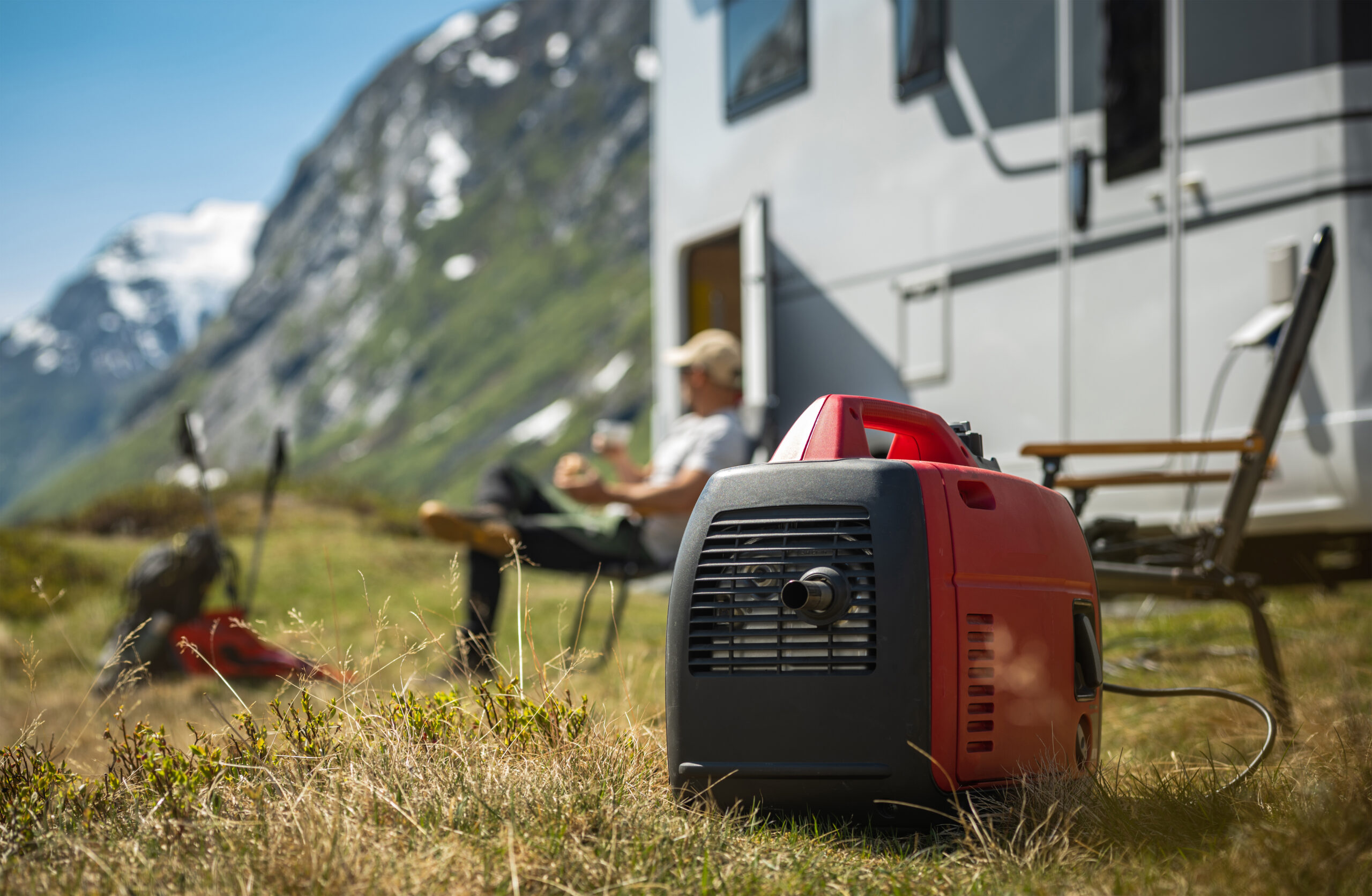
A generator is usually the better answer for longer outages or higher pump demand. If you live in an area where storms knock out power for many hours or even days, a fuel-based generator gives you more staying power than most battery-only systems. It can also support other essential loads at the same time, which matters if you are trying to keep the basement dry while also powering a refrigerator, freezer, or basic home circuits.
Start with your sump pump’s real power needs
Before shopping, check the pump’s label or manual for running watts, voltage, and starting requirements. This step matters because sump pumps often need more power to start than they need to keep running. A unit that looks large enough on paper can still fail if it cannot handle startup surge.
Many residential sump pumps fall somewhere around 1/3 HP to 1/2 HP, though some are larger. A smaller pump may run comfortably on a modest backup source, while a 1/2 HP or 3/4 HP model may need substantially more starting power. If your pump is older, assume less efficiency and give yourself extra margin.
It also helps to think about duty cycle, not just wattage. A sump pump that runs for 10 seconds every few minutes during light groundwater conditions places a very different demand on backup power than a pump that cycles constantly during a heavy storm. The more often it runs, the more battery capacity or fuel supply you will need.
Battery backup systems: automatic and focused
If your main goal is flood prevention during short outages, a battery backup system is often the cleanest solution. These systems are built around the sump application, and their biggest advantage is automatic response. When utility power drops, the system is already there and ready.
That convenience matters when you are asleep, away from home, or simply not in a position to set up equipment. For many homeowners, that peace of mind is the whole point.
The limitation is runtime. Battery backup systems are not all equal, and real runtime depends on battery size, pump draw, and how much water the system is handling. A setup may last a long time during occasional cycling but drain much faster during a serious storm. Battery age matters too. A neglected battery will not deliver the performance you expect when you need it most.
This option is usually best for homeowners who want automatic basement protection first and broad household backup second.
Portable power stations: quiet, simple, and more flexible
A portable power station can be a smart middle ground. It is quieter than a gas generator, safe for indoor use when operated properly, and useful beyond sump pump duty. If you want backup for a pump plus communication devices, lighting, and a few small electronics, this route has real appeal.
The key is sizing. You need enough inverter output to handle the pump’s startup surge and enough battery capacity to support the expected runtime. Some homeowners underestimate one or both. A power station that runs a TV and charges phones may still be a poor fit for a sump pump if the motor surge is too high.
This is also where recharge strategy matters. If outages in your area are brief, a power station may be enough on its own. If outages are longer, consider whether you can recharge from AC power between storms, from a vehicle, or from solar panels if conditions allow. Solar-ready backup sounds attractive, but during severe weather and extended cloud cover, solar input may be limited exactly when the sump pump is working hardest.
For light to moderate use, though, a properly sized portable power station can be a practical and low-maintenance backup choice.
Generators: best for long outages and heavier demand
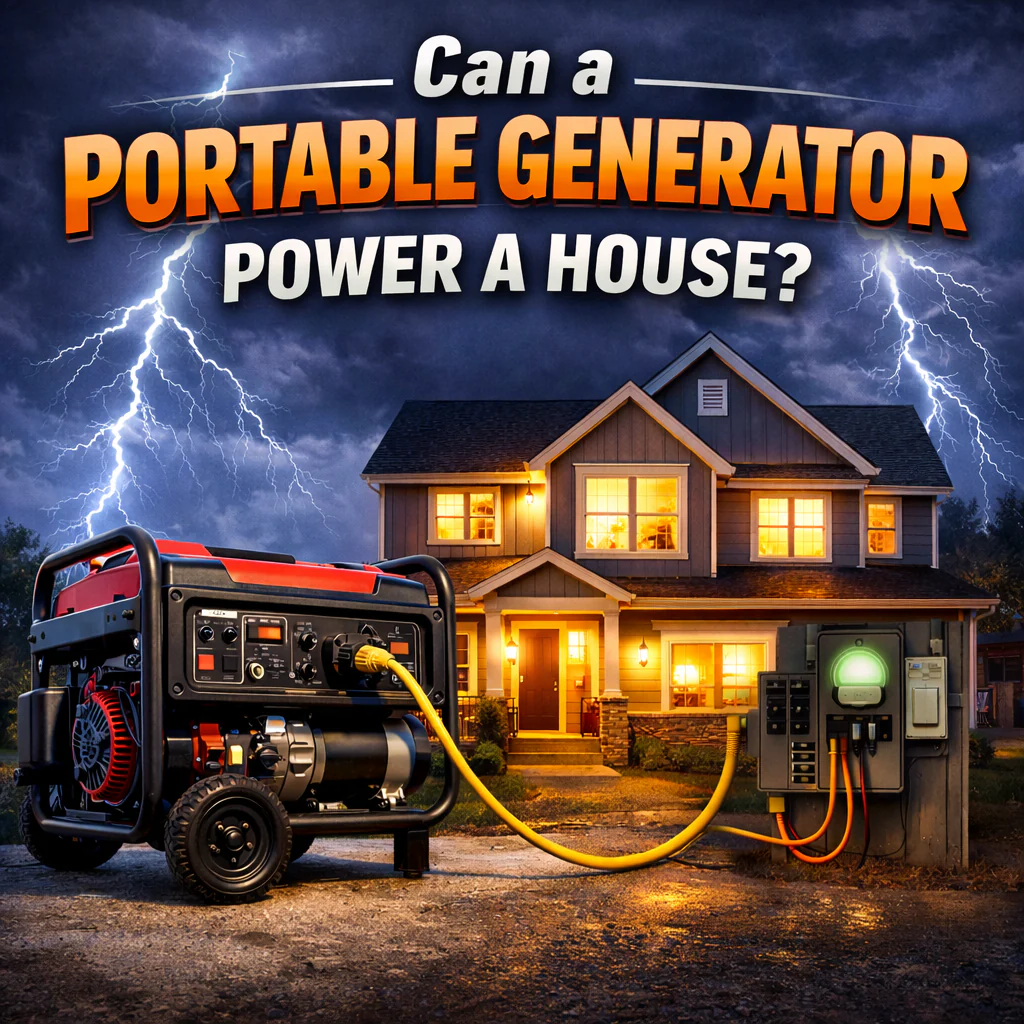
If your basement water risk is serious and your outages are not short, a generator is often the safest bet. Generators give you longer runtime as long as you have fuel, and they can support more than just the sump pump. That makes them especially useful during storm season when multiple systems in the home need attention at once.
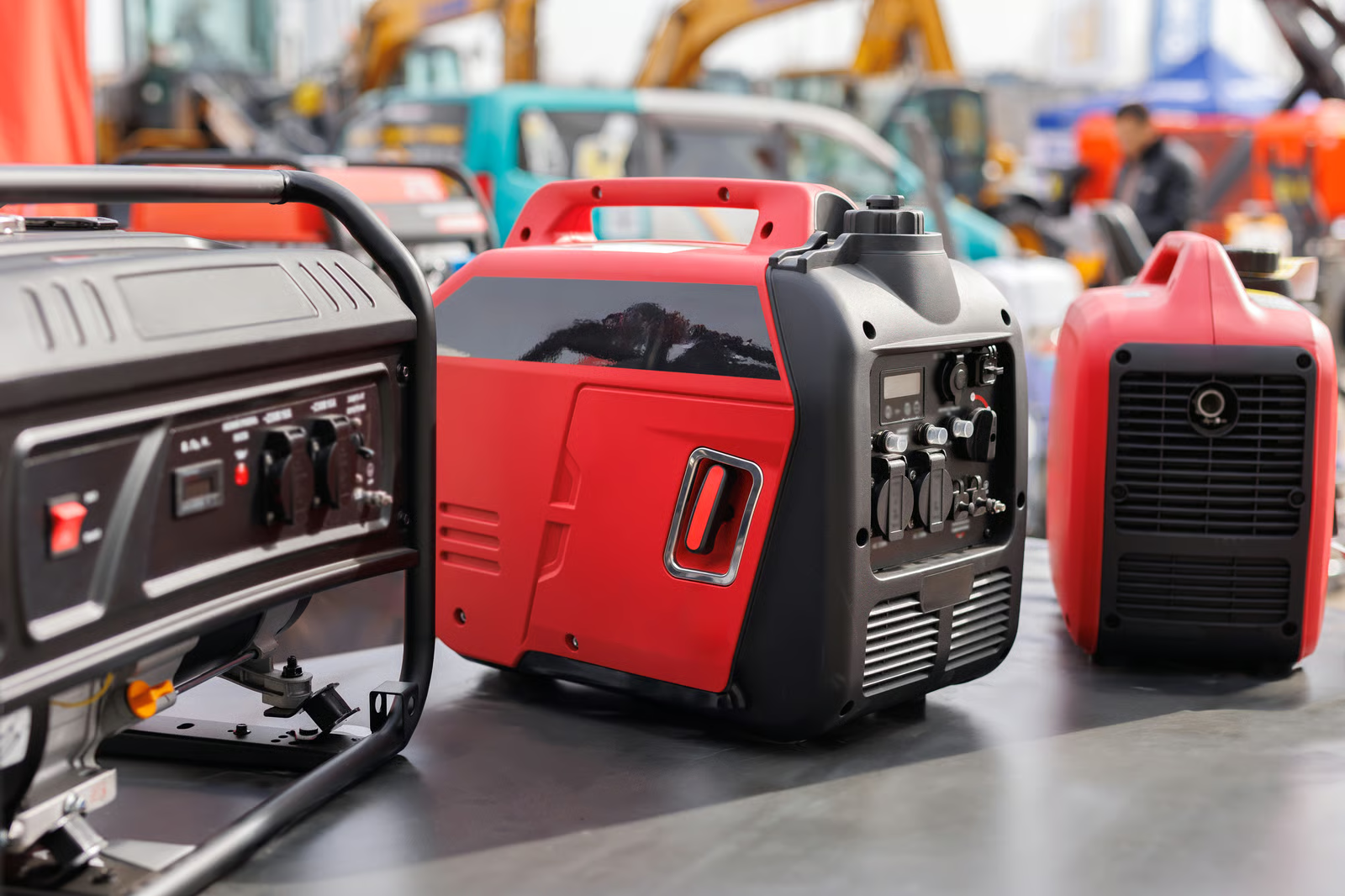
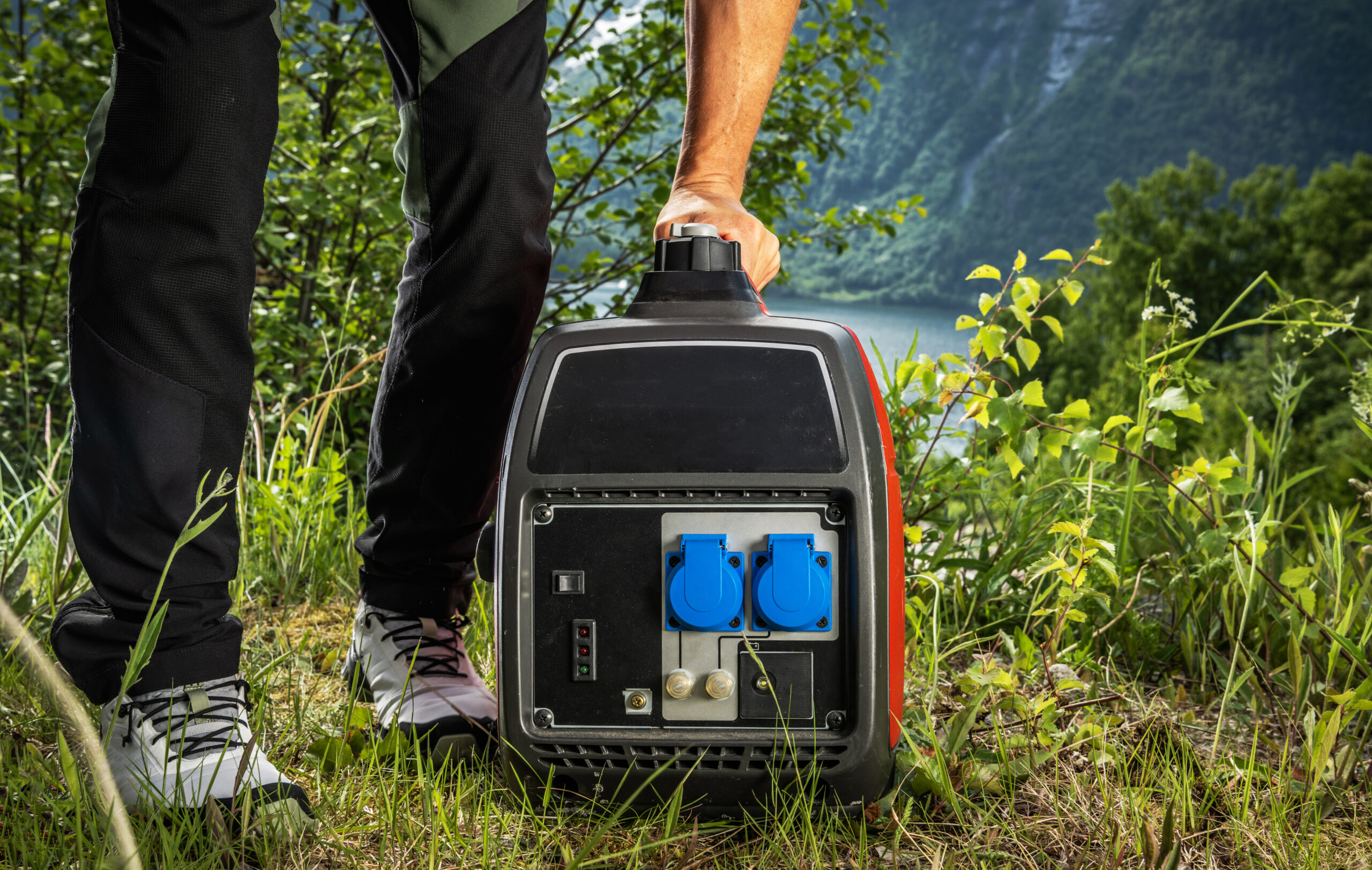
Portable generators are a common choice for value-conscious buyers who want strong output without the cost of a whole-home standby setup. Inverter generators can be a good fit if quieter operation matters and the sump pump load is within range. Conventional portable generators may offer more output per dollar, which can be the better trade if your goal is straightforward emergency power.
The downside is that generators are not automatic unless you move into a more permanent standby solution. They also require fuel planning, maintenance, and safe outdoor operation. If you do not want to deal with gasoline, a battery-based option may feel easier, but for multi-hour or multi-day outages, battery-only backup can get expensive fast if the pump runs often.
How to choose without overbuying or coming up short
The smartest buying decision usually comes down to matching the backup system to outage length and water conditions.
If you get occasional short outages and your sump pump does not run constantly, a battery backup or portable power station may be enough. If your area sees frequent storms, a high water table, or outages that last through the night, generator support starts to make more sense.
It is also worth asking whether you need backup for the sump pump only or for several essentials. If the answer is several essentials, a single-purpose sump backup can feel limiting later. On the other hand, if flood protection is the one job that matters most, a dedicated system may be the simplest answer.
Budget matters, but so does failure cost. Replacing carpet, drywall, storage items, and finished basement materials can cost far more than buying the right backup power solution the first time.
Common mistakes to avoid
The biggest mistake is sizing only for running watts and ignoring startup surge. The second is assuming all batteries deliver the same runtime. The third is waiting until storm season to test the system.
You also want to think about installation reality. A generator may have excellent specs, but if you are unlikely to set it up quickly during heavy rain, that matters. A battery system may seem easy, but if the battery is never maintained, it is not dependable. The best setup is the one that matches both your pump load and how you actually respond during an outage.
If you are comparing options at https://www.generatorvault.com, focus on output, battery capacity, runtime expectations, and whether you want a single-use emergency solution or a broader backup power tool for the home.
The best backup power for sump pump protection is the one you will trust
There is no single best answer for every basement. Some homes need an automatic battery backup because the goal is immediate protection with no action required. Others need a portable power station because quiet, indoor-safe battery power fits the homeowner better. And some really need a generator because the outages are too long and the pump demand is too high for smaller solutions to hold up.
If your sump pump is what stands between a dry basement and a major cleanup bill, this is one area where realistic sizing beats optimistic guessing every time. Choose enough power for the startup load, enough runtime for the weather you actually get, and a setup you can count on when the lights go out.