
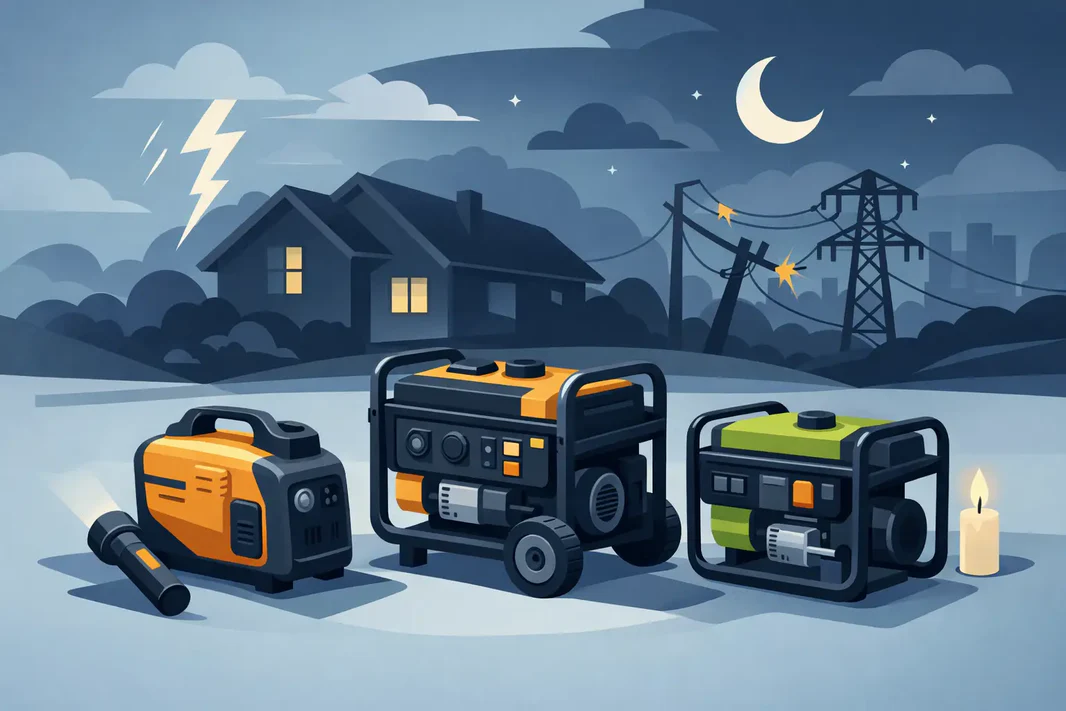
When the lights go out, the wrong generator feels expensive fast. A unit that looked good on paper can struggle with a sump pump, burn through fuel overnight, or sit too loud and too close to the house to use comfortably. That is why shopping for the best generators for blackouts starts with one question: what exactly do you need to keep running, and for how long?
For most buyers, there is no single best option across every outage scenario. A short neighborhood outage, a two-day storm event, and a week-long utility failure all call for different backup strategies. The right pick depends on whether you want to protect a few essentials, power a larger part of the house, or cover your whole home with minimal effort.
What makes the best generators for blackouts?
The best blackout generator is not always the biggest one. It is the one that matches your load, fuel access, noise tolerance, and level of convenience. If you only need to keep the refrigerator cold, charge phones, run a few lights, and maybe power internet equipment, a compact inverter generator or portable power station can be the smartest buy. If you need well pump support, a furnace blower, or several kitchen circuits, you are usually looking at a larger portable generator or a standby system.
Start with wattage, but do not stop there. Running watts tell you what a generator can support continuously. Starting watts matter for appliances with motors, including refrigerators, freezers, pumps, and many air conditioners. If your backup plan ignores startup surge, you can end up with a generator that trips just when you need it most.
Fuel also matters more than many first-time buyers expect. Gasoline is easy to find in normal conditions, but it stores poorly unless treated and rotated. Propane stores longer and burns cleaner, but you need enough tank capacity on hand. Dual-fuel models are popular for blackout use because they give you flexibility when one fuel source is harder to get.
1. Best for a few essentials: small inverter generators
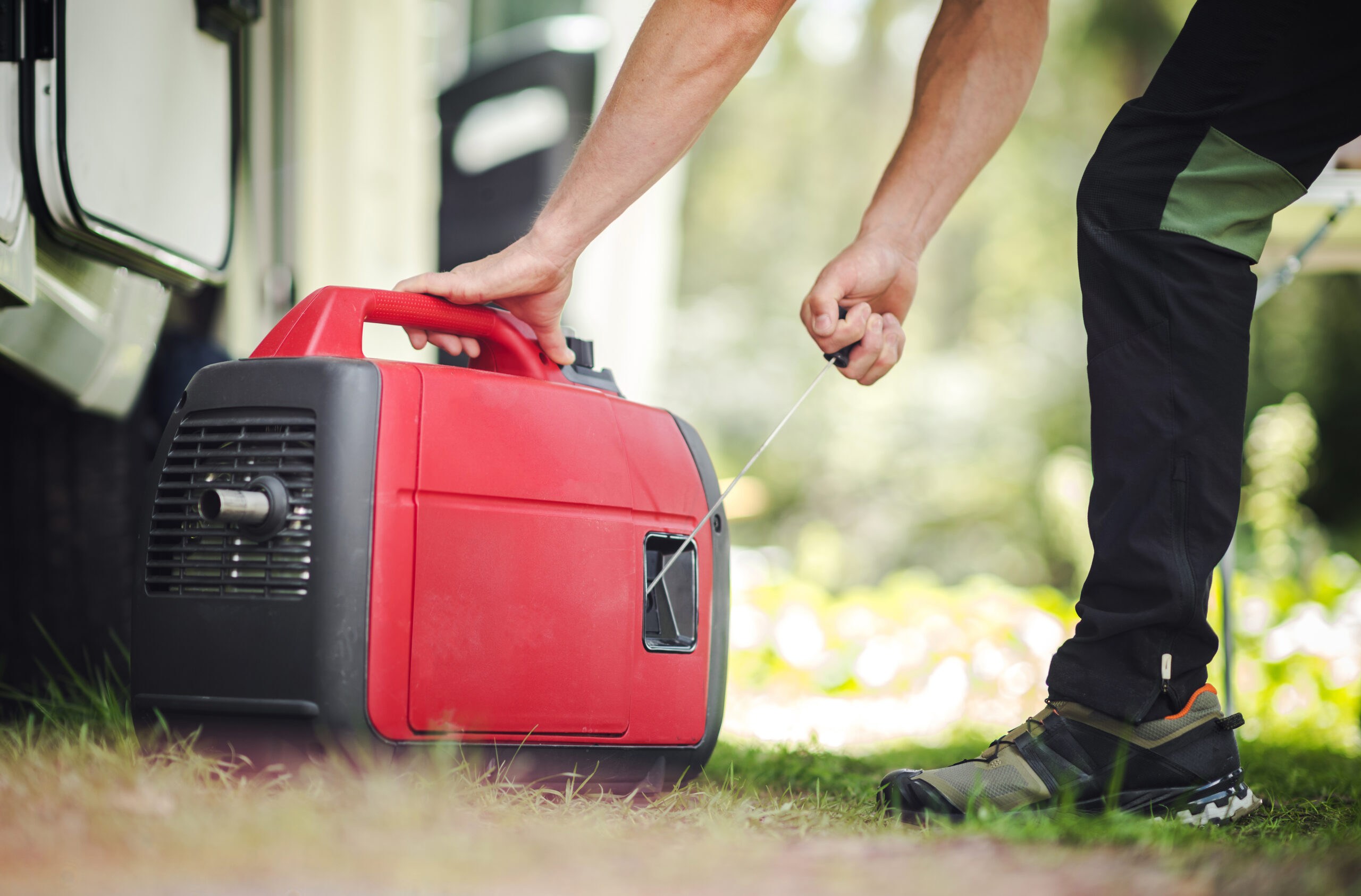
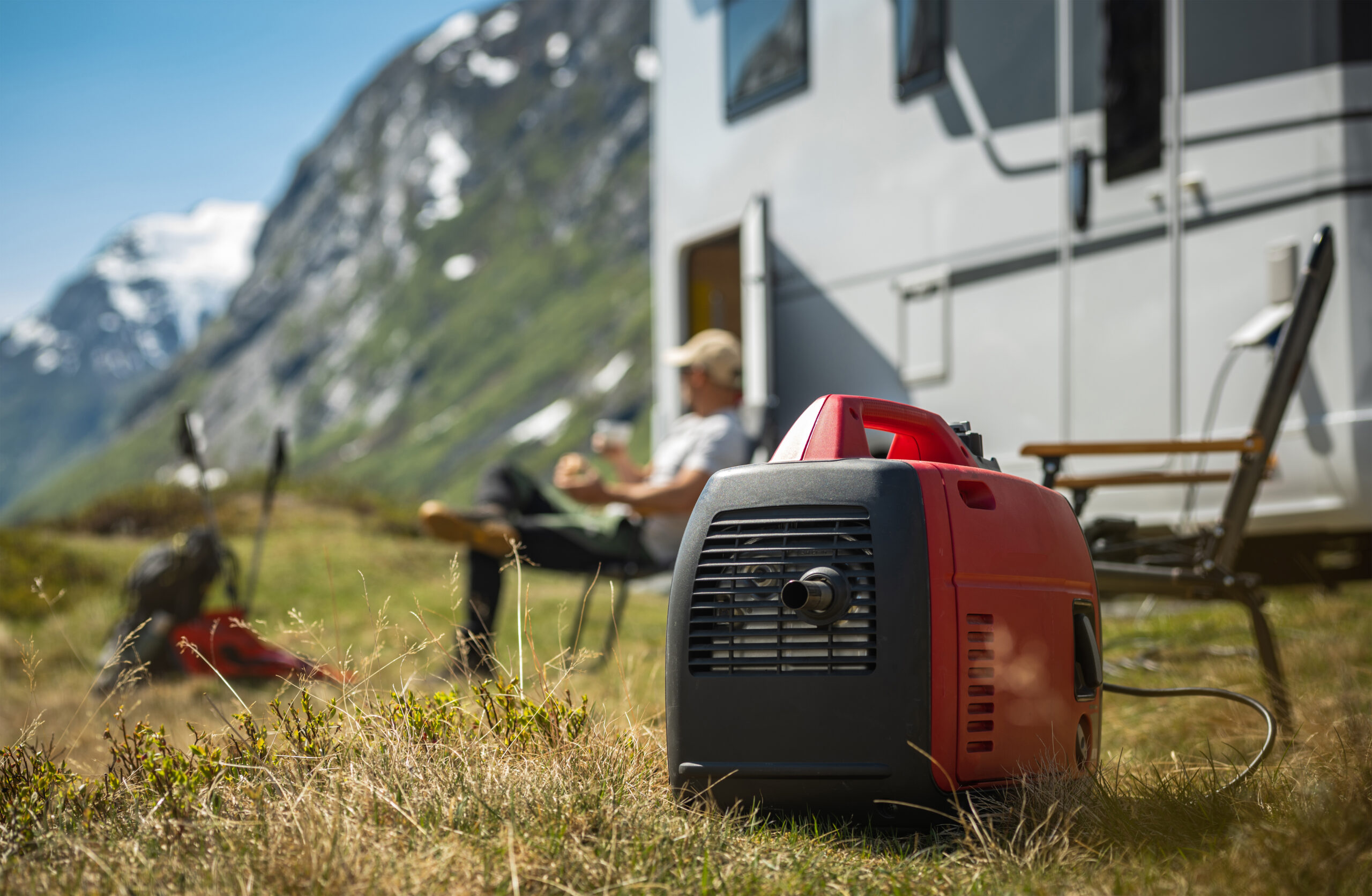
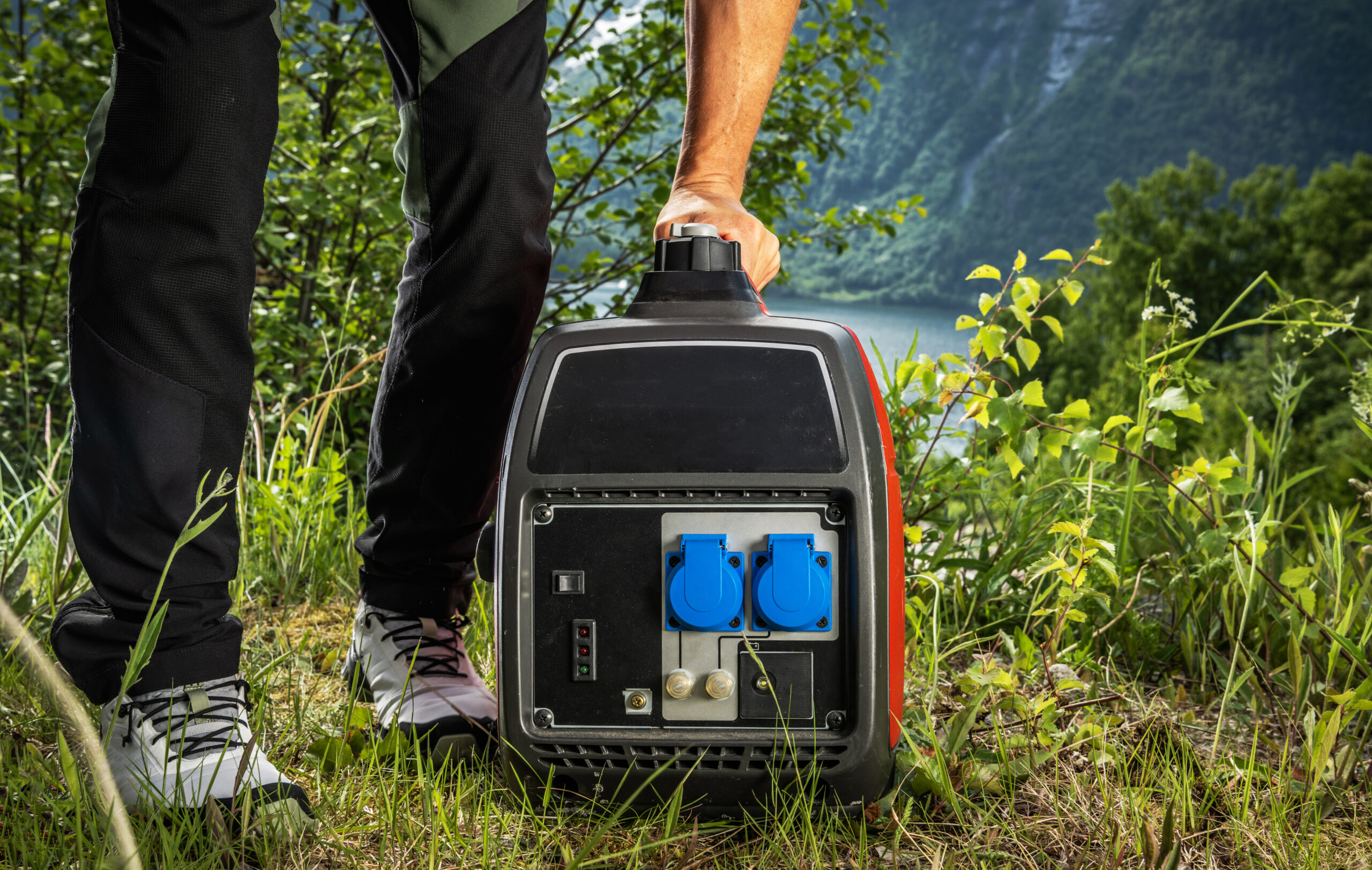
If your outage plan is focused on refrigeration, device charging, lights, fans, and maybe a TV or router, a small inverter generator often gives the best balance of efficiency, portability, and lower noise. These units are especially useful for apartment-adjacent setups, smaller homes, and buyers who want something manageable to move and store.
Inverter models also produce cleaner power than many traditional portable generators, which makes them better suited for electronics. That does not mean every inverter generator is enough for every home emergency. Most smaller models are ideal for essential loads, not electric water heaters, central AC, or full-house backup.
The trade-off is capacity. You gain quieter operation and fuel efficiency, but you give up the ability to run multiple heavy appliances at once. For short outages, that can be a very smart compromise.
2. Best all-around choice: mid-size dual-fuel portable generators
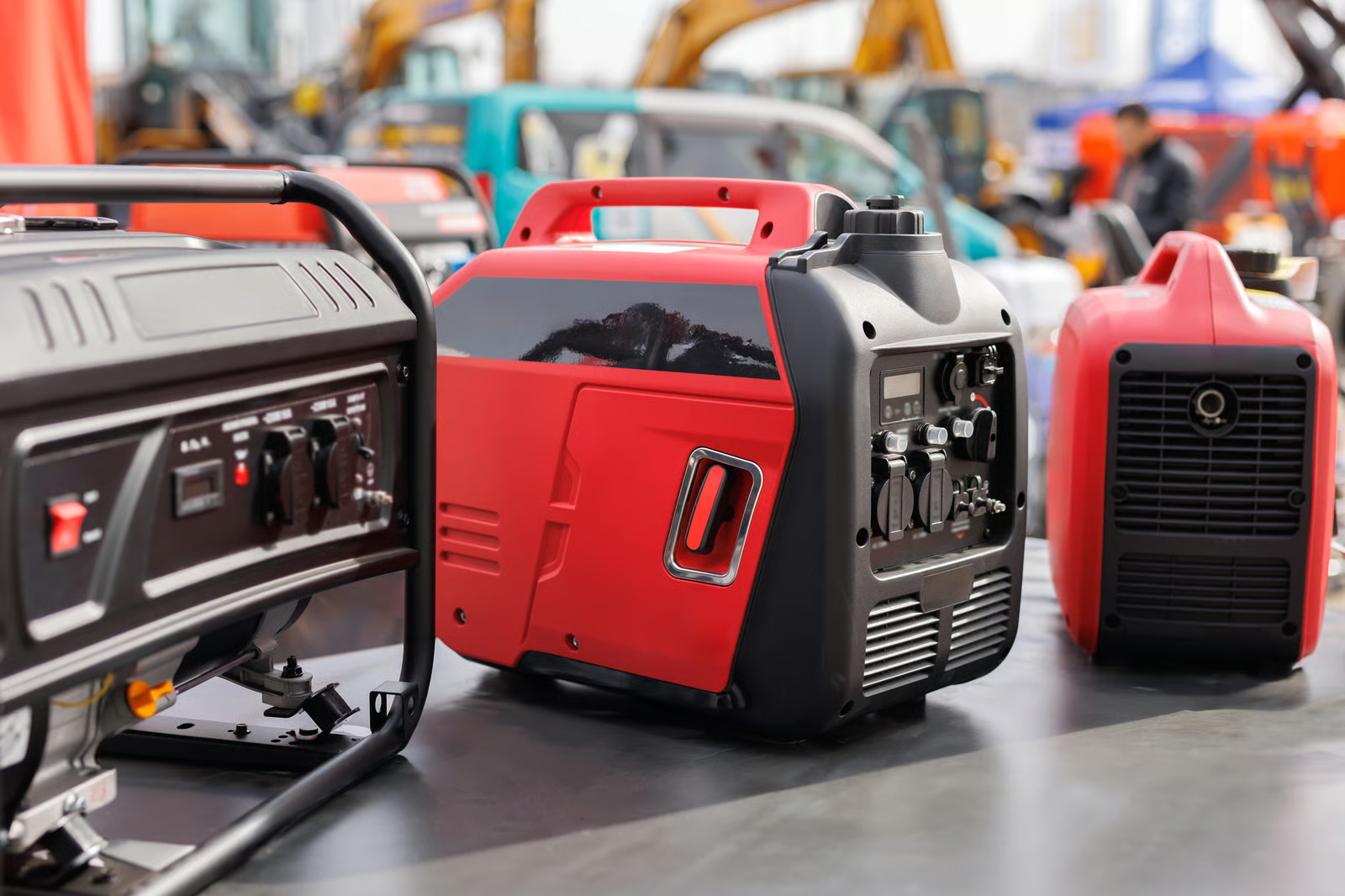
For many homeowners, this is the sweet spot. A mid-size dual-fuel portable generator can usually handle a refrigerator, freezer, lights, microwave, garage door opener, and selected outlets or circuits, depending on the unit and your transfer setup. It gives you a more serious backup solution without stepping all the way up to a permanently installed standby generator.
Dual-fuel capability is a real advantage during blackouts. If you have gasoline ready, you can use it. If you prefer the longer shelf life of propane, you can switch over. That flexibility reduces the risk of being stuck with a generator you cannot conveniently fuel.
This category is a strong fit for buyers who want practical home backup without overspending. It is also one of the easiest places to compare value because you can find a wide range of output levels, outlet configurations, and runtime options.
3. Best for larger homes: high-output portable generators
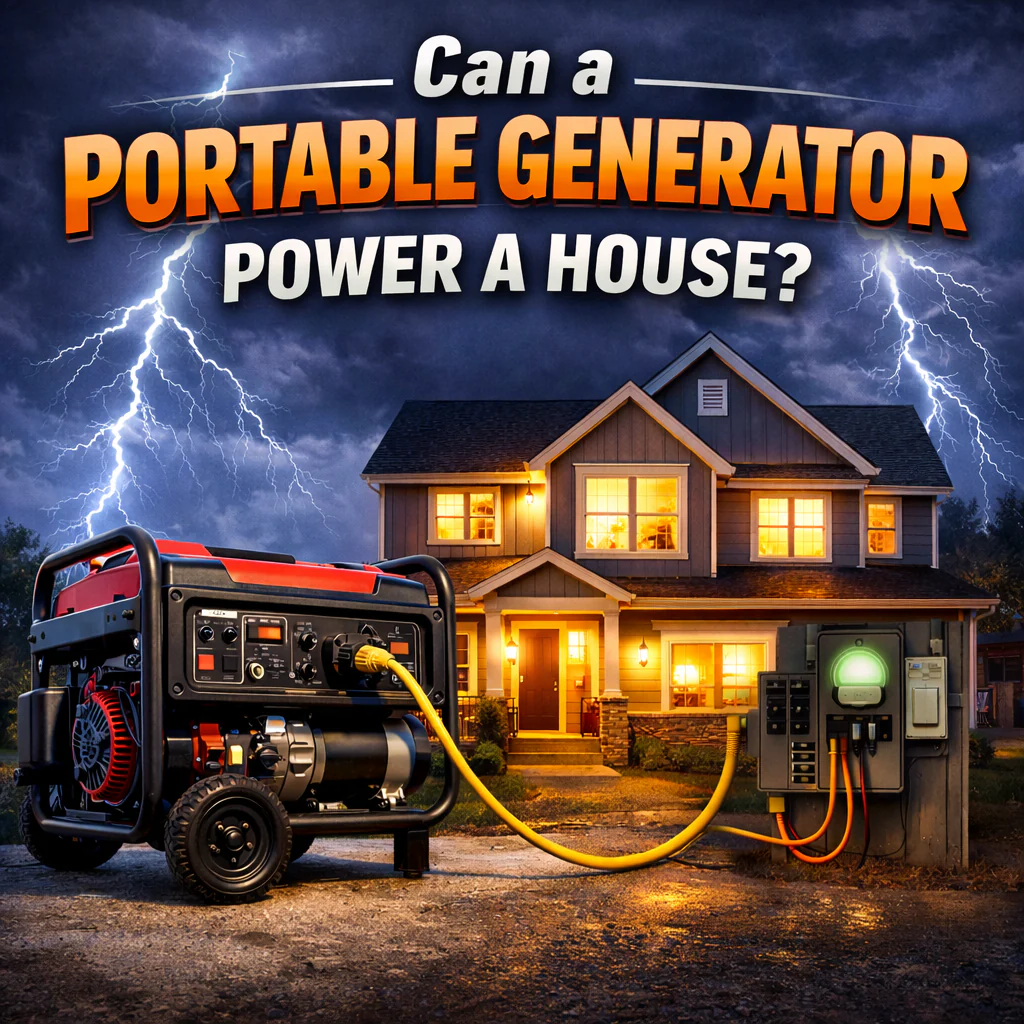
When your backup needs include a well pump, larger kitchen loads, more circuits, or limited air conditioning support, high-output portable generators start to make sense. These are the workhorses for serious outage preparedness when a small inverter generator is clearly not enough.
The benefit is simple: more headroom. You are less likely to constantly juggle which appliance can run at the same time. That matters during blackouts because convenience becomes part of reliability. If every load requires manual planning, backup power starts to feel like a workaround instead of a solution.
The downside is also simple. Bigger portables are heavier, louder, and less fuel-efficient at lighter loads. They also demand better storage planning and more attention to safe placement. If your outage needs are modest, a very large portable generator can be more machine than you need.
4. Best for whole-home convenience: standby generators
If your goal is automatic backup with the least day-to-day hassle, standby generators are hard to beat. These systems are permanently installed, connected to the home, and designed to start automatically when utility power fails. For households in storm-prone areas or buyers who cannot afford downtime, that level of readiness is the main selling point.
Standby systems are often the best generators for blackouts when medical devices, remote work, home businesses, or frequent long outages are part of the equation. They remove much of the manual work involved with portable units. There is no wheel-out process, no extension cord strategy, and no rushed startup during bad weather.
What you trade for that convenience is cost. Standby generators require a larger upfront investment, professional installation, and more planning around fuel supply and load management. They are not the right answer for every budget, but they are often the right answer for buyers who want dependable backup with minimal intervention.
5. Best quiet option: portable power stations
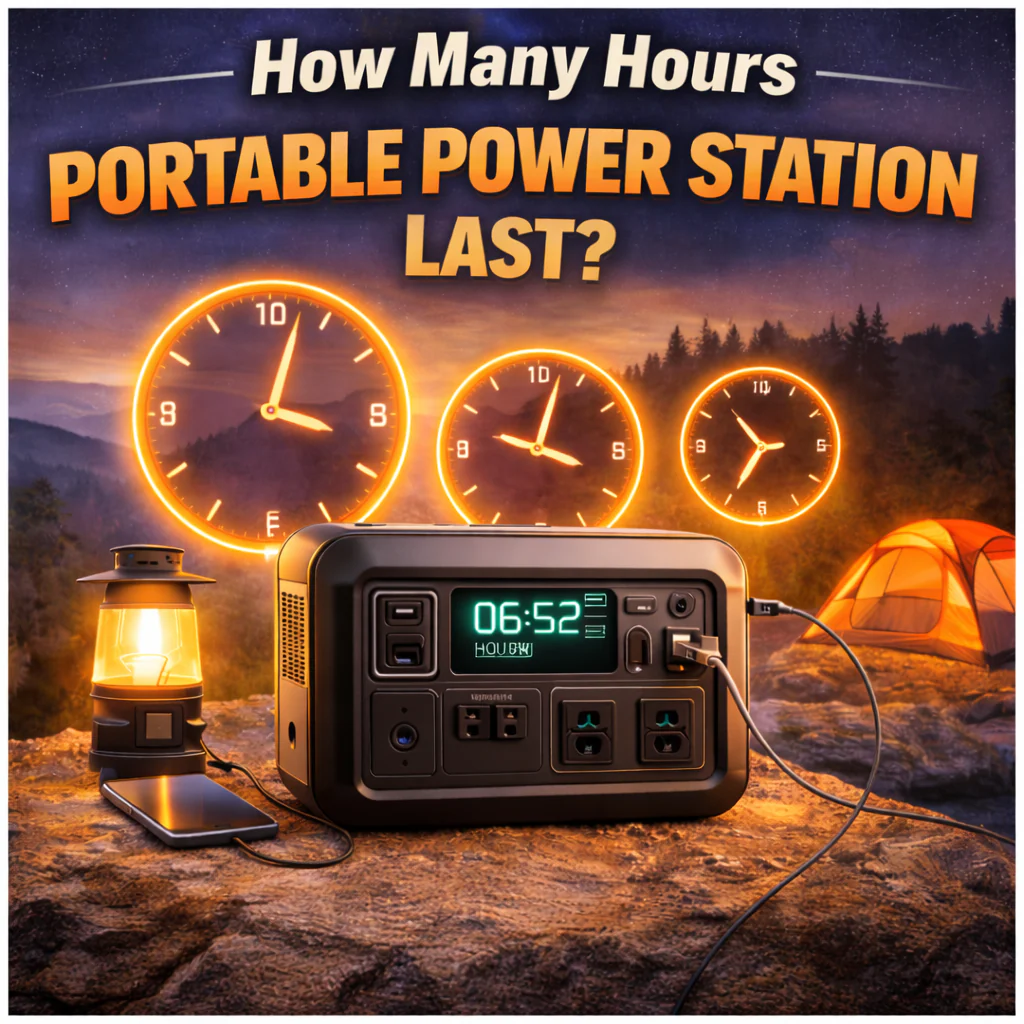
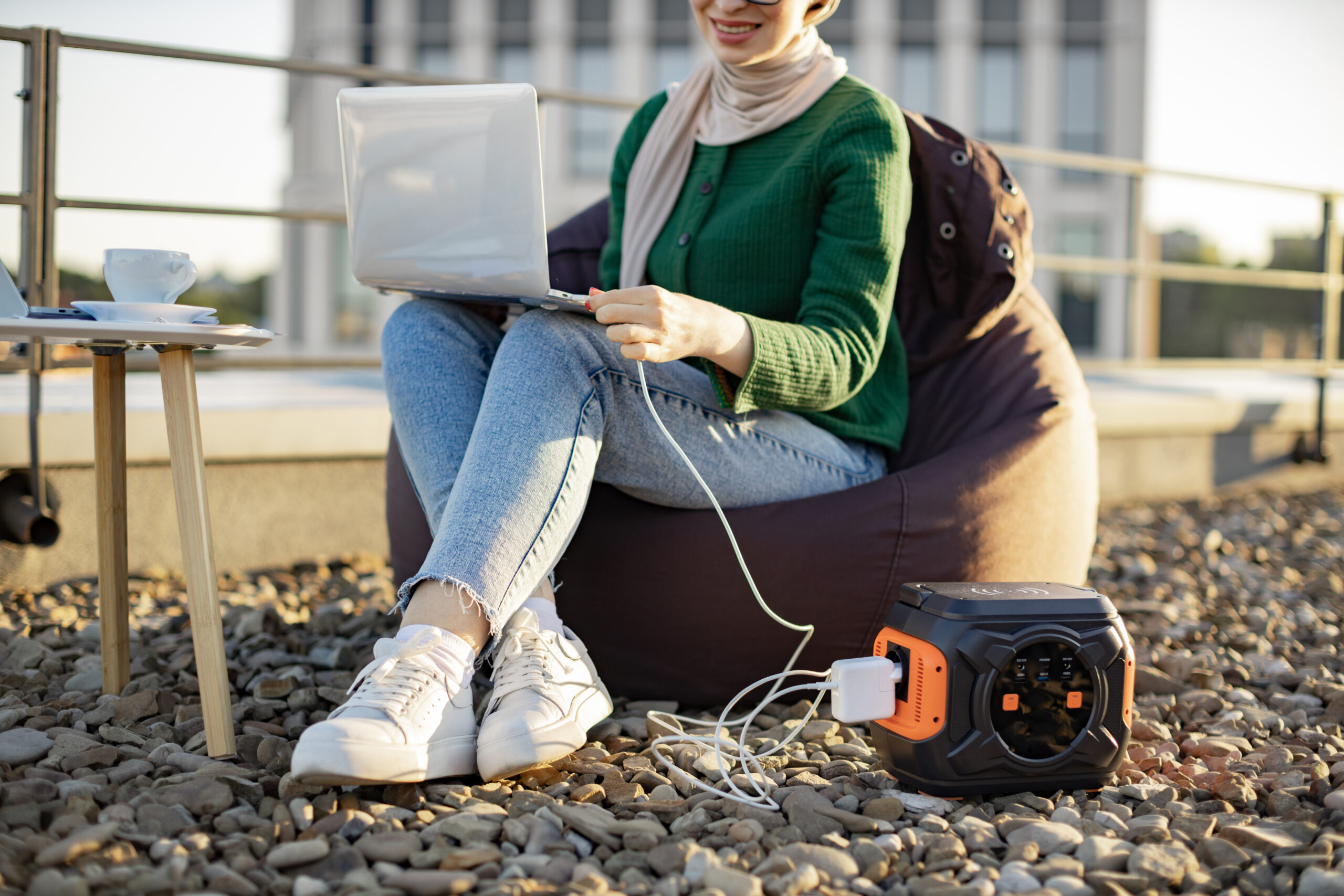
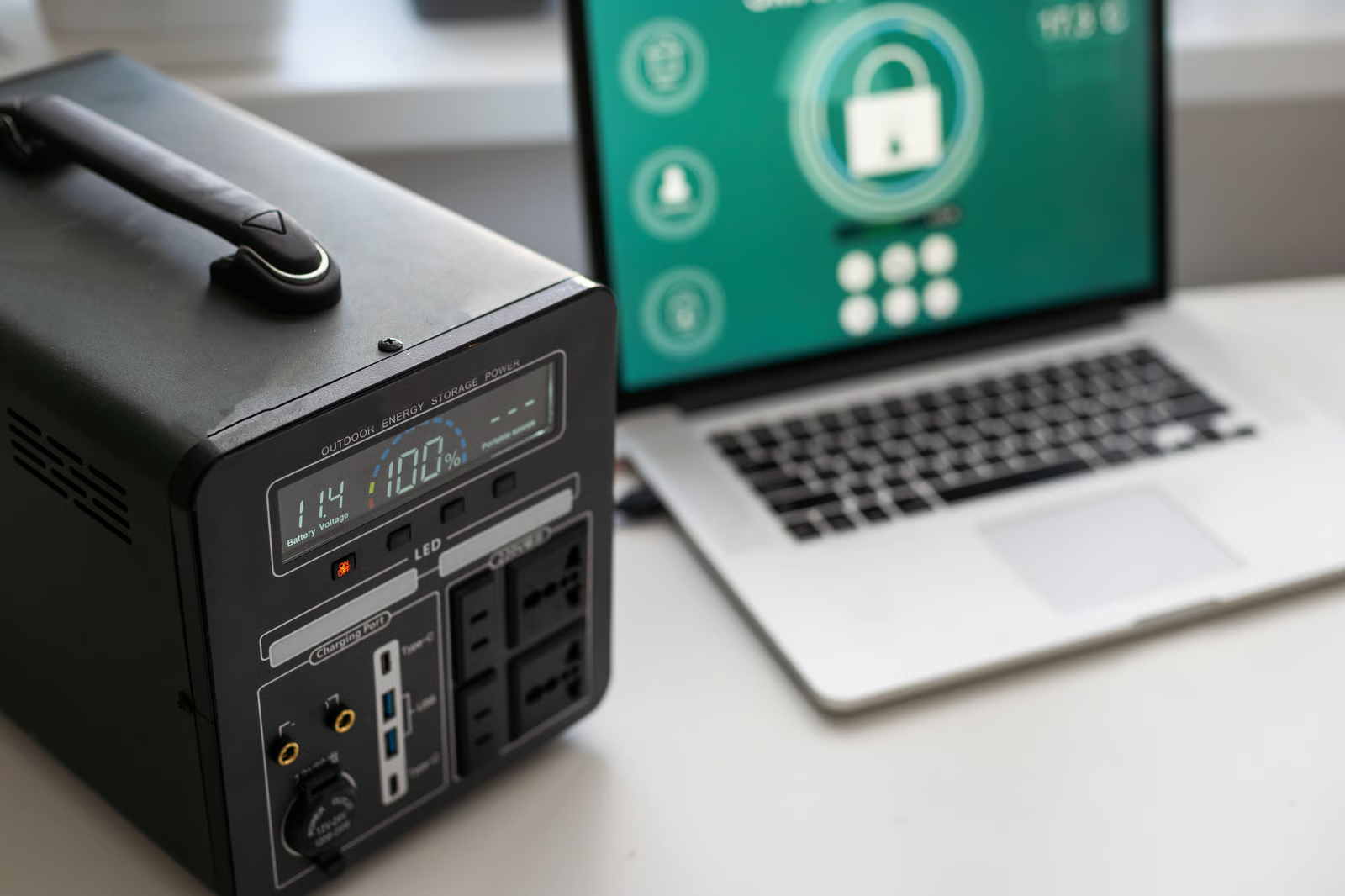
Not every blackout solution needs an engine. Portable power stations are battery-based units that can run lights, routers, phones, laptops, CPAP machines, and some small appliances depending on capacity and inverter output. They are especially useful indoors because they produce no exhaust and operate quietly.
For overnight outages, apartment living, or situations where noise and fumes are a dealbreaker, these systems can be an excellent fit. They are also easier for many families to use because there is less startup complexity and no fuel handling.
The limitation is runtime on larger loads. A battery power station can be perfect for communications, lighting, and medical essentials, but it is usually not the best primary answer for extended outages involving heating systems, large refrigerators for days on end, or high-demand appliances. Pairing a power station with solar panels can stretch usefulness, but recharge speed depends heavily on weather and panel size.
How to choose the right size generator for blackout use
A lot of buying mistakes happen here. People either undersize and face constant overload issues, or oversize and pay for capacity they rarely use. The better approach is to build your outage list around essentials first.
Think in terms of must-run, nice-to-have, and not necessary. Must-run items usually include refrigerator, freezer, lights, phone charging, internet, sump pump, and maybe a furnace blower or medical device. Nice-to-have items might include microwave, coffee maker, TV, or portable AC. Electric ranges, central AC, electric dryers, and electric water heaters often push generator requirements much higher.
Once you know your likely load, leave room for startup surge and some breathing space. Running a generator at the absolute edge of its capacity is rarely the best plan during an emergency. A little margin helps with performance and reduces frustration.
Fuel, runtime, and noise matter more than specs alone
On a product page, rated watts tend to get all the attention. In real blackout use, runtime and fuel logistics are just as important. A generator that powers your home but needs frequent refueling may be less practical than a slightly smaller unit with better efficiency.
Noise is another factor buyers sometimes underestimate. During a prolonged outage, a loud portable unit can wear on you and your neighbors. Inverter generators and battery power stations usually win here, while larger conventional portables tend to be noisier. If you live in a dense neighborhood, quiet operation may deserve a higher priority.
Safety is part of the buying decision
The best generator is one you can use safely and consistently. Portable generators must stay outdoors, well away from doors, windows, and vents. Carbon monoxide risk is serious, and convenience should never override placement rules.
You should also think about how power gets into the home. Extension cords can work for a basic setup, but many homeowners are better served by a transfer switch or interlock approach installed correctly. That makes backup power safer, cleaner, and easier to manage under stress.
Which blackout generator is best for you?
If you want the most affordable path to emergency power for a handful of essentials, start with a small inverter generator or a portable power station. If you want stronger home coverage and more fuel flexibility, a mid-size dual-fuel portable generator is often the most practical buy. If your priority is automatic whole-home backup, a standby generator is the clear step up.
That is the real answer behind the best generators for blackouts: the best one is the model that covers your essential loads, matches your fuel plan, and feels realistic to use when the weather turns bad. If you shop with that mindset, you are much more likely to end up with backup power that works the way you need it to when it matters most.
A blackout is stressful enough. The right generator should reduce decisions, not create new ones.