
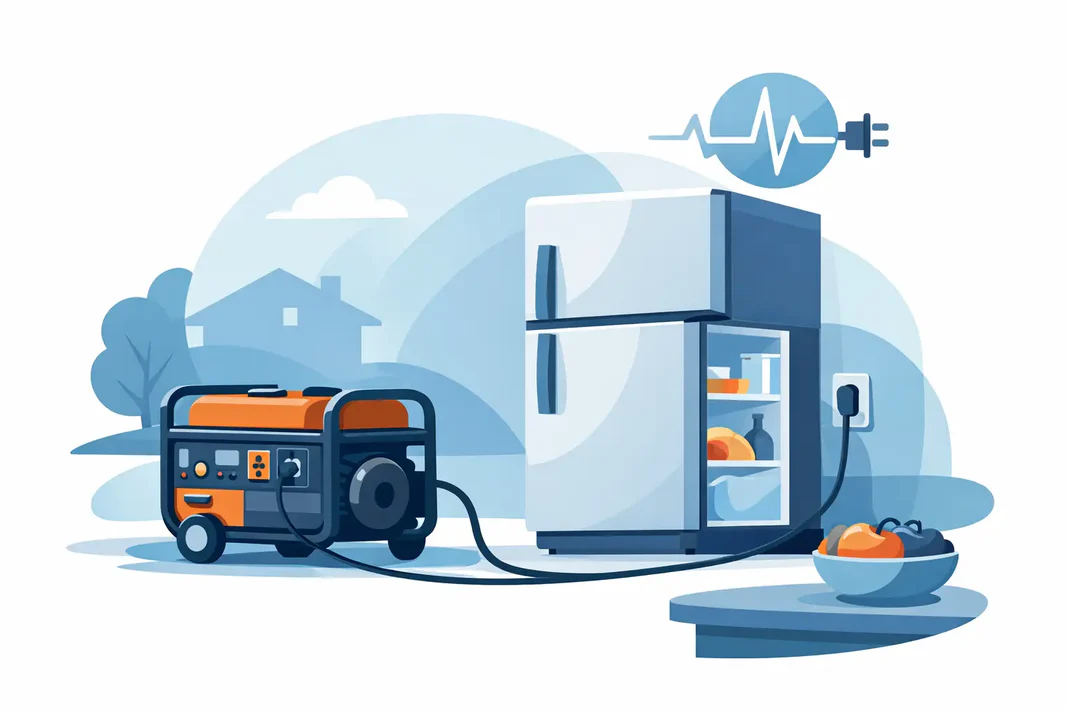
A refrigerator full of groceries is usually what people worry about first when the power goes out. The short answer to can generators run refrigerators is yes, but only if the generator is sized correctly for both running watts and the brief startup surge the fridge needs when the compressor kicks on.
That detail matters more than most shoppers expect. A generator that looks adequate on paper can still struggle if it only covers the refrigerator’s running load and not its starting demand. If you want dependable backup power, the goal is not just getting the fridge to hum for a minute. It is keeping it running steadily without tripping the generator, overloading the circuit, or risking food spoilage during an outage.
Can generators run refrigerators without problems?
In many cases, yes. Most standard household refrigerators do not require a massive generator. Many run somewhere around 100 to 800 watts once operating, depending on size, age, and features like ice makers or dual compressors. The bigger issue is startup power. A refrigerator may need 2 to 3 times its running wattage for a few seconds at startup.
For example, a fridge that runs at 600 watts could briefly need 1,200 to 1,800 starting watts. Some older or larger units may spike higher. That is why a small generator or undersized power station may work one moment and shut down the next. If you are choosing backup power for outage use, startup capacity should be treated as a requirement, not a bonus.
The same logic applies to freezers. A chest freezer or upright freezer often has a startup surge too, and if you want to run both a refrigerator and freezer at the same time, you need to account for the chance that both compressors could cycle on close together.
How to tell what size generator your refrigerator needs
The best place to start is the refrigerator’s data label. You can usually find it inside the fridge compartment, near a drawer, on the back panel, or in the owner’s manual. Look for watts or amps. If the label shows amps, multiply amps by volts to estimate wattage. In most US homes, refrigerators use 120 volts.
If your refrigerator label says 6 amps, that works out to about 720 running watts. Startup watts may be significantly higher, so a generator that only supplies 800 or 900 watts continuously may not be enough in real use.
As a practical buying range, many homeowners find that a generator in the 2,000 to 3,000 watt class can run one refrigerator comfortably, with some extra room for a few lights, device chargers, or a modem. If you want to power multiple kitchen appliances, a freezer, or part of your home during an outage, that size can get tight quickly.
A larger portable generator in the 3,500 to 7,500 watt range gives you more flexibility for refrigerators plus additional essentials. A standby generator is the better fit when your goal is broader whole-home coverage rather than just protecting food and a few critical loads.
Running watts vs startup watts
This is where many backup power decisions go wrong. Running watts are what the fridge uses once it is operating normally. Startup watts, sometimes called surge watts, are the temporary extra power needed to start the compressor motor.
If your generator can handle the running load but not the startup surge, the refrigerator may fail to start, the generator breaker may trip, or the generator may bog down. Repeated stress like that is not something you want during an outage.
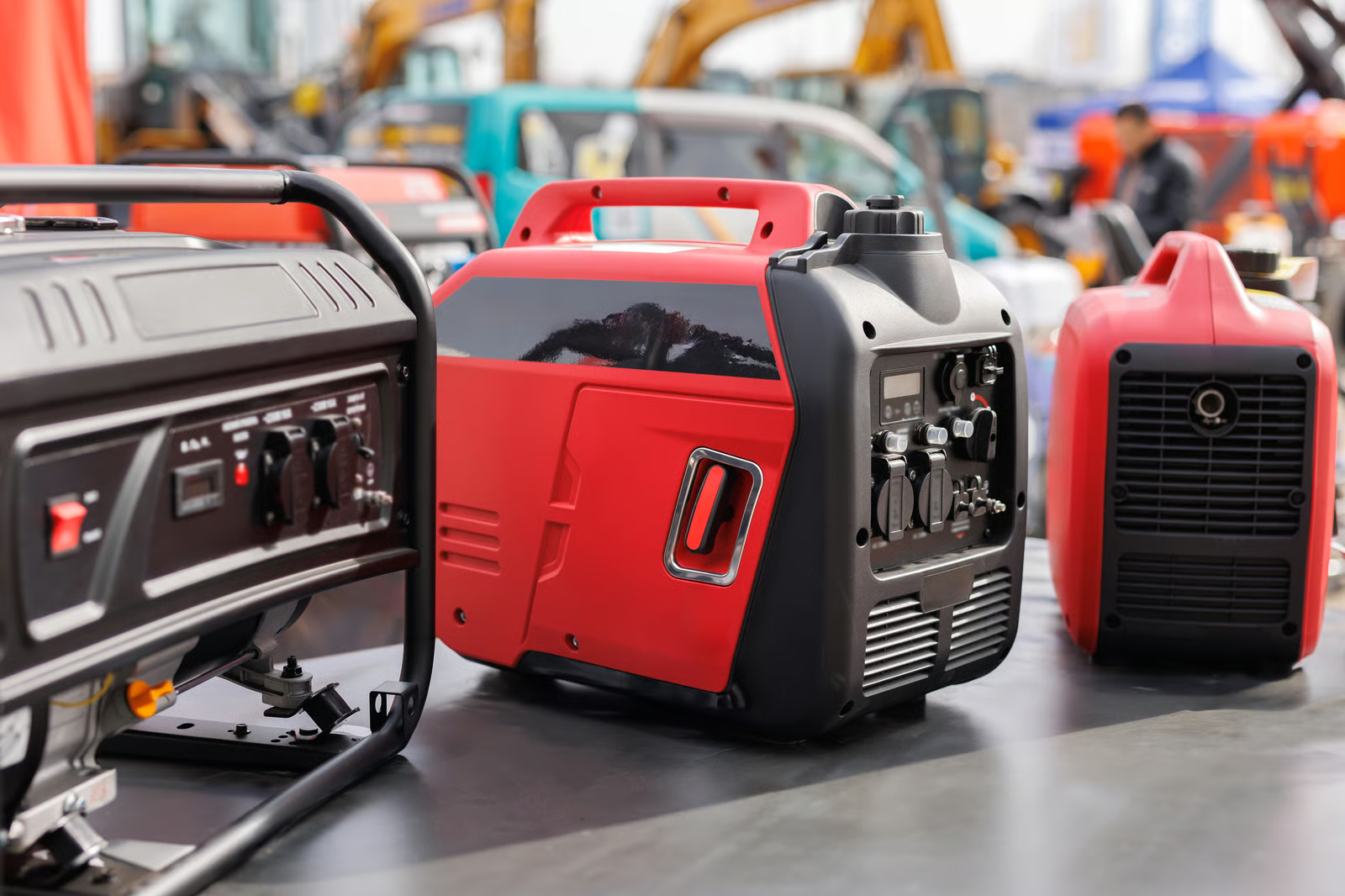
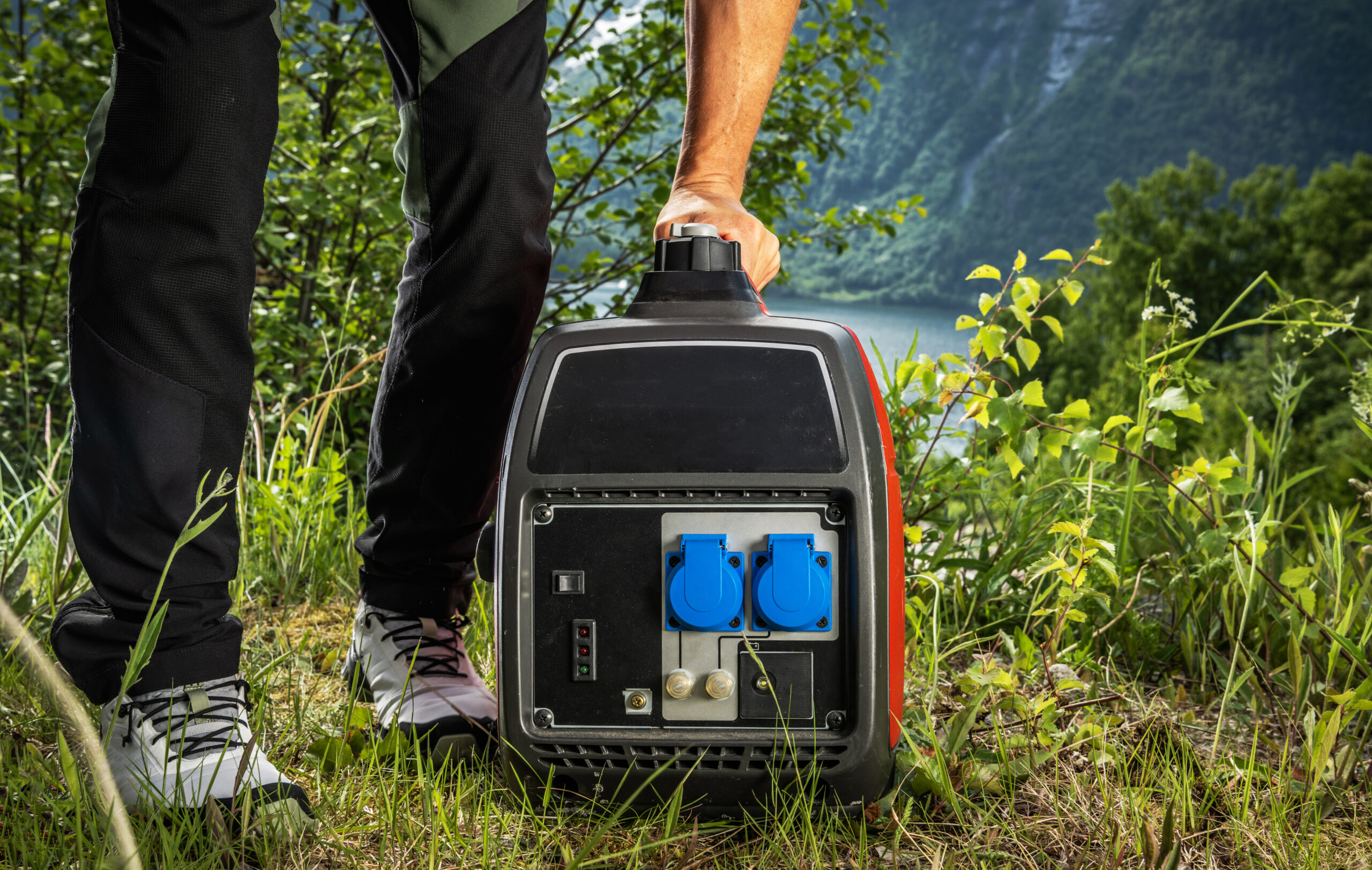
Inverter generators are often a strong option here because they provide stable power and are well suited for sensitive electronics. They are also usually quieter than conventional portables, which matters if the outage lasts more than a few hours. That said, not every inverter generator has enough surge capacity for every refrigerator, so the numbers still need to be checked.
What type of generator works best for a refrigerator?
It depends on how you plan to use it.
For short outages or basic emergency use, a portable generator is often the most cost-effective choice. If your priority is just keeping the refrigerator cold, plus maybe a few small essentials, a quality portable unit can do the job well.
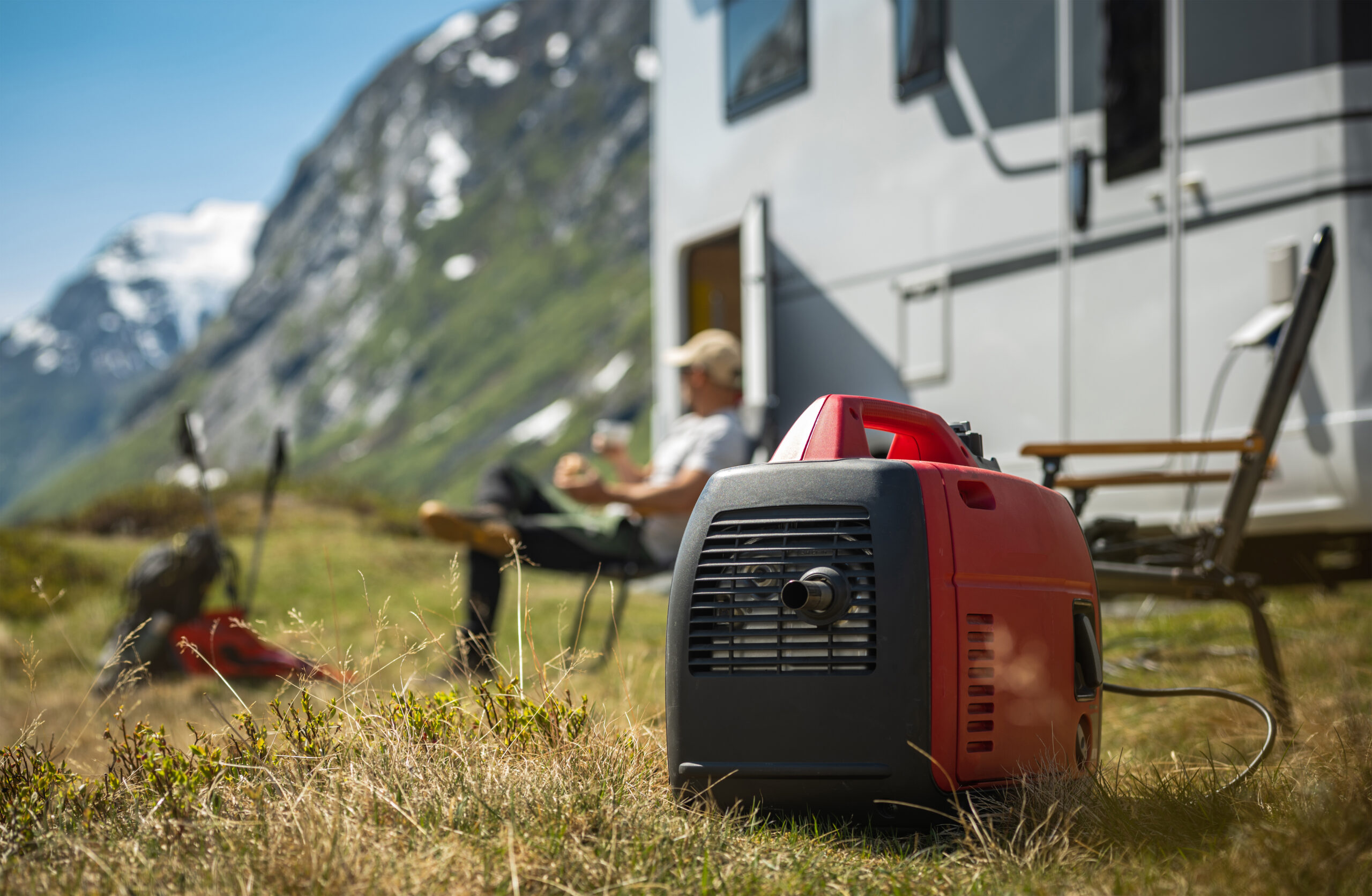
For quieter operation, cleaner power, and easier use around campsites, RVs, or homes where noise matters, an inverter generator is usually the better fit. These are popular with buyers who want backup power that can also serve double duty for travel or outdoor use.
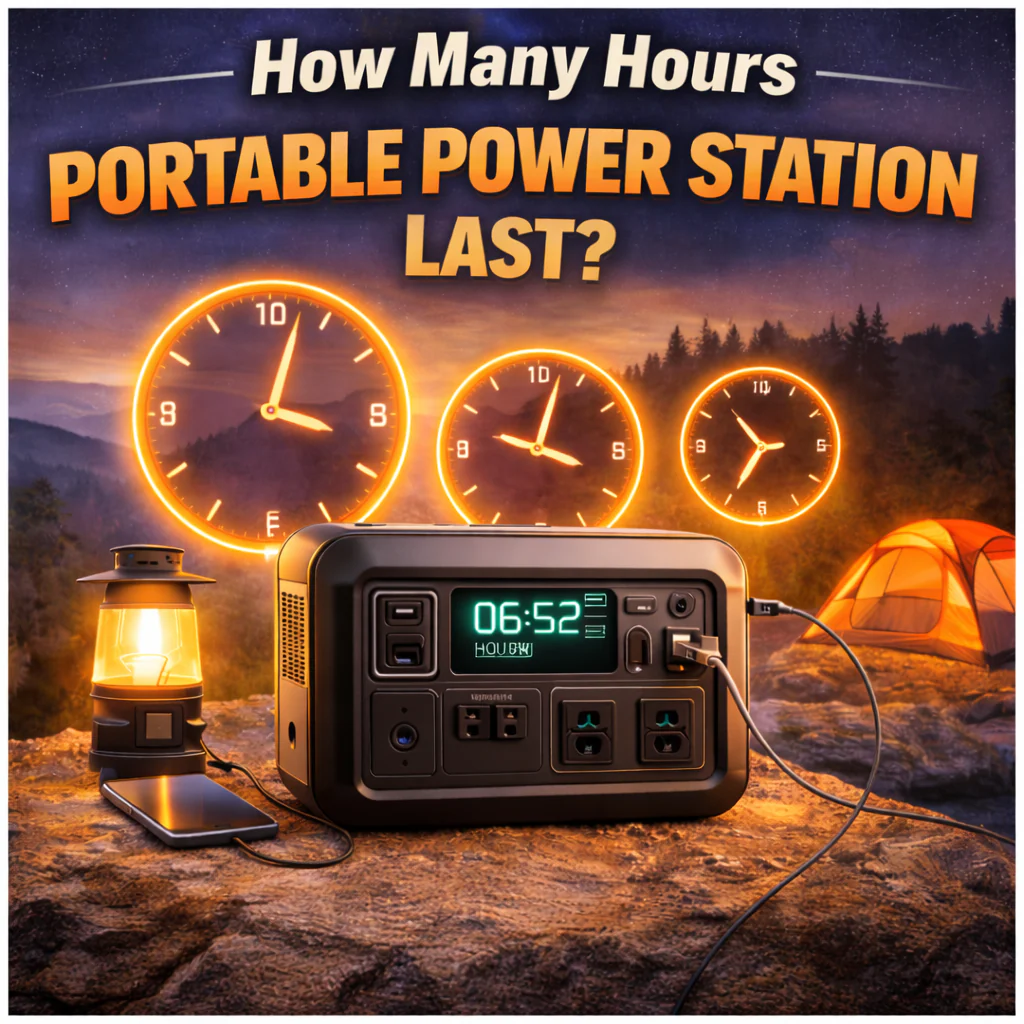
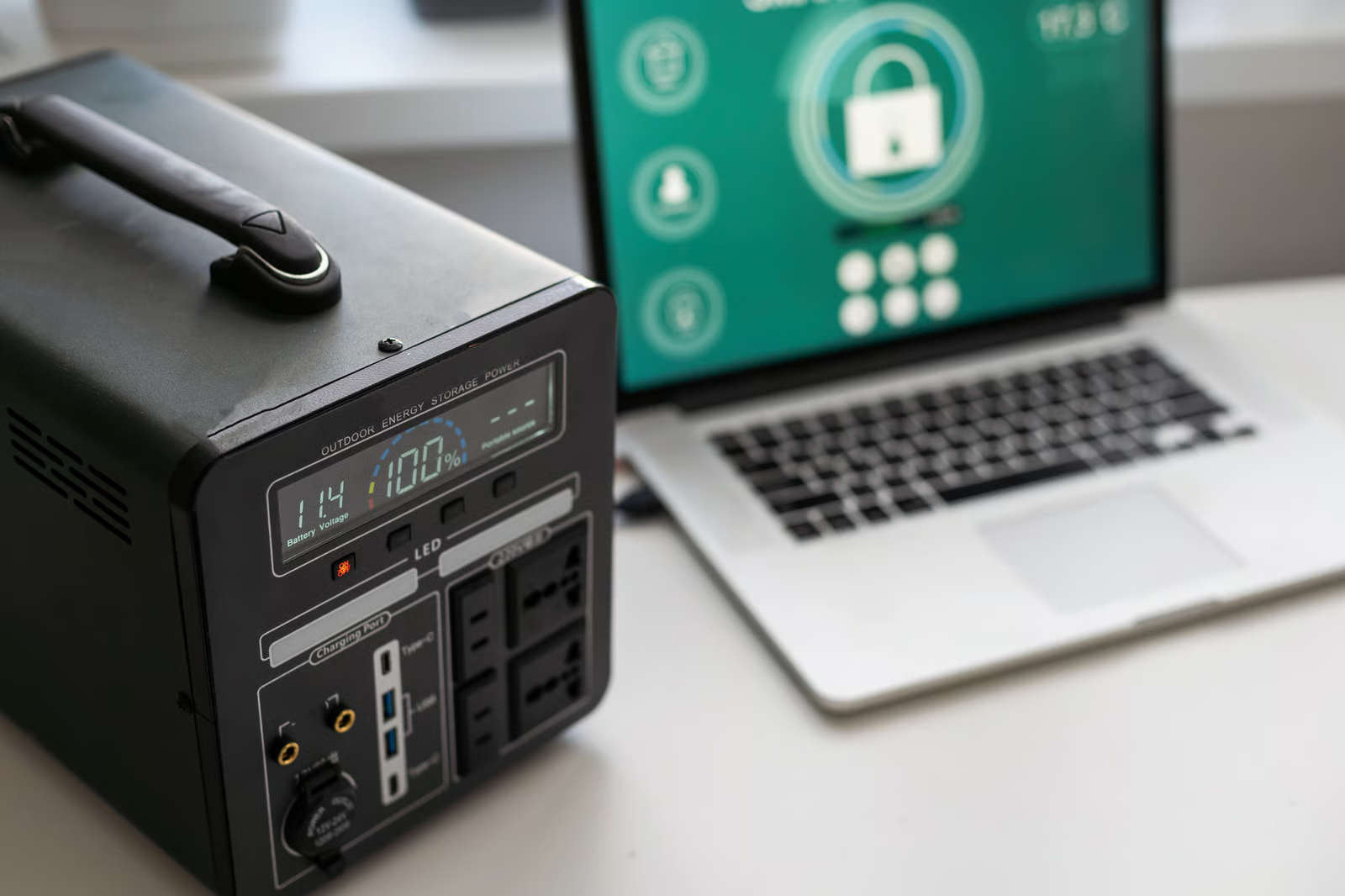
For fuel-free indoor-safe operation, a portable power station can sometimes run a refrigerator, but runtime is the bigger limitation. The question is not only can it start the fridge, but how long it can keep it cycling before the battery is drained. A battery unit with high surge output and enough storage can be useful for short interruptions, apartment use, or solar-ready setups, but it is not a direct replacement for a fuel generator in longer blackouts unless you have substantial battery capacity and charging support.
For automatic home protection, a standby generator is the clear answer. If outages are common in your area and you do not want to manage extension cords, fuel cans, or manual startup, standby systems offer the most convenient refrigerator backup by far.
Can a small generator run a refrigerator?
Sometimes, but this is where expectations need to stay realistic. A very small generator may be able to run a compact refrigerator, garage fridge, or newer efficient model. It may not reliably start or sustain a full-size kitchen refrigerator, especially if the unit has an ice maker, water dispenser, or older compressor.
Even if a small generator technically works, it may leave no extra capacity for anything else. That means every added phone charger, light, microwave, coffee maker, or fan raises the risk of overload. Buying with a little headroom is usually the smarter move.
A generator operating near its limit all the time is also less forgiving. Conditions change. Refrigerators cycle. Extension cords add variables. Ambient temperature affects performance. Practical backup power is about margin, not minimums.
Safe ways to power a refrigerator with a generator
Sizing is only half the job. Safe setup matters just as much.
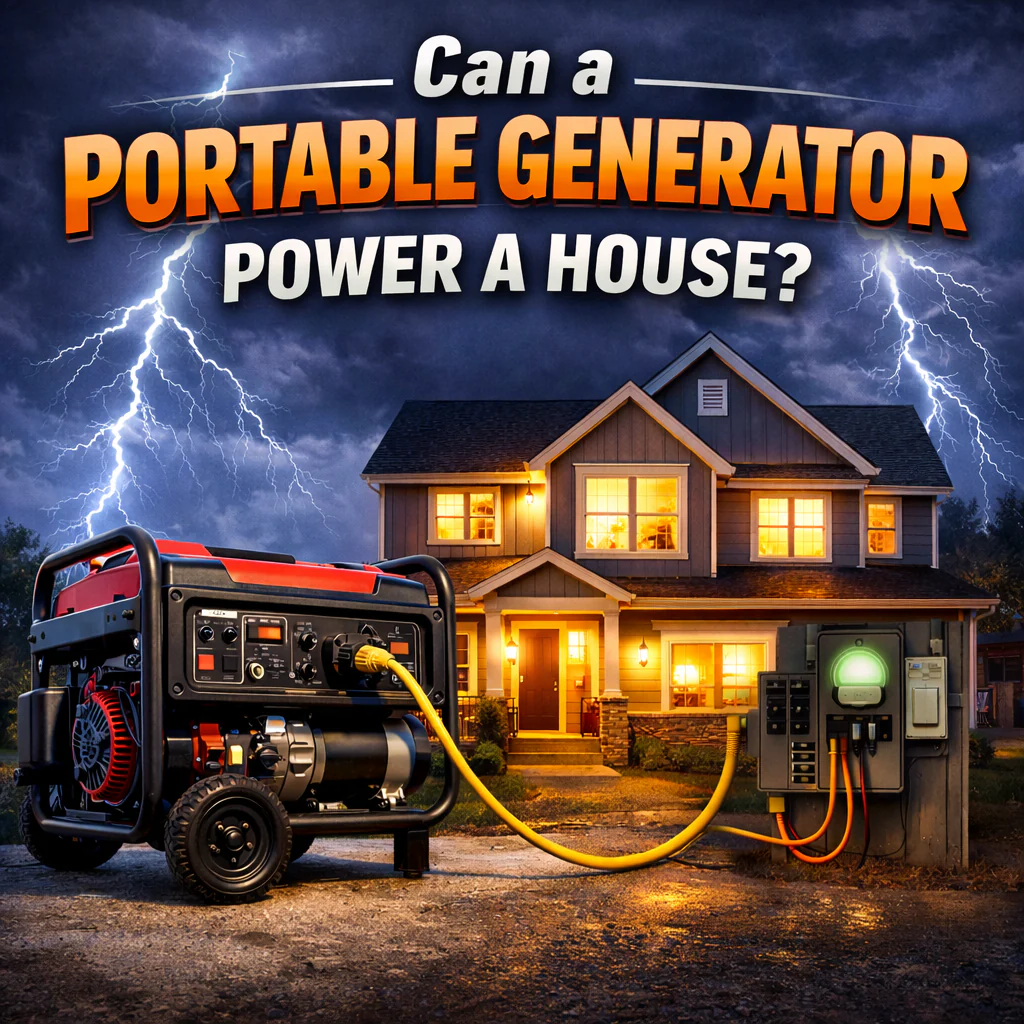
A portable generator should always be operated outdoors, well away from doors, windows, and vents. Never run one in a garage, even with the door open. Carbon monoxide is a serious hazard and one of the biggest risks during outage use.
Use a heavy-duty extension cord rated for the load if you are plugging the refrigerator in directly. Keep the cord as short as practical and make sure it is in good condition. If you are connecting a generator to home circuits, that should be done through a proper transfer switch or inlet setup installed for generator use. Backfeeding a home through an outlet is unsafe and should never be attempted.
It also helps to avoid opening the refrigerator often during an outage. A properly cooled fridge can hold temperature for several hours if the door stays shut. That reduces cycling and helps your generator or battery backup work more efficiently.
Fuel, runtime, and real outage planning
A generator that can run a refrigerator for 90 minutes is very different from one that can support it through an overnight outage or a multi-day weather event. Runtime depends on fuel type, tank size, load level, and how many other devices you are powering.
Gasoline portables are common and accessible, but fuel storage requires planning. Dual-fuel models can add flexibility by letting you use propane, which stores longer and burns cleaner, though output may be slightly lower than on gasoline. For many shoppers, that trade-off is worth it during storm season.
If you are considering a power station instead of a fuel generator, pay close attention to battery capacity in watt-hours, inverter output, and recharge options. A refrigerator does not pull its full running wattage nonstop, because it cycles on and off, but battery runtime still needs to be estimated carefully. A unit that sounds powerful can still fall short if its storage capacity is modest.
When a refrigerator is not the only thing you need to run
Most people who ask can generators run refrigerators are not really planning for the fridge alone. They usually also want lights, internet, medical devices, a sump pump, a microwave, or a window AC unit. That changes the buying decision fast.
Once you move beyond a single appliance, load planning becomes more important than the refrigerator itself. A generator that is perfect for one fridge may be undersized for a basic outage setup across several rooms. That is why many buyers end up choosing a model with extra capacity from the start rather than replacing it after the first serious outage.
If you are comparing options, think about your essential loads first, then add breathing room. That approach usually leads to a more reliable purchase than shopping by the refrigerator alone.
The good news is simple: yes, generators can run refrigerators, and for many households they are one of the most practical backup solutions you can buy. The key is choosing enough starting power, enough runtime, and a setup you can use safely when the lights go out.