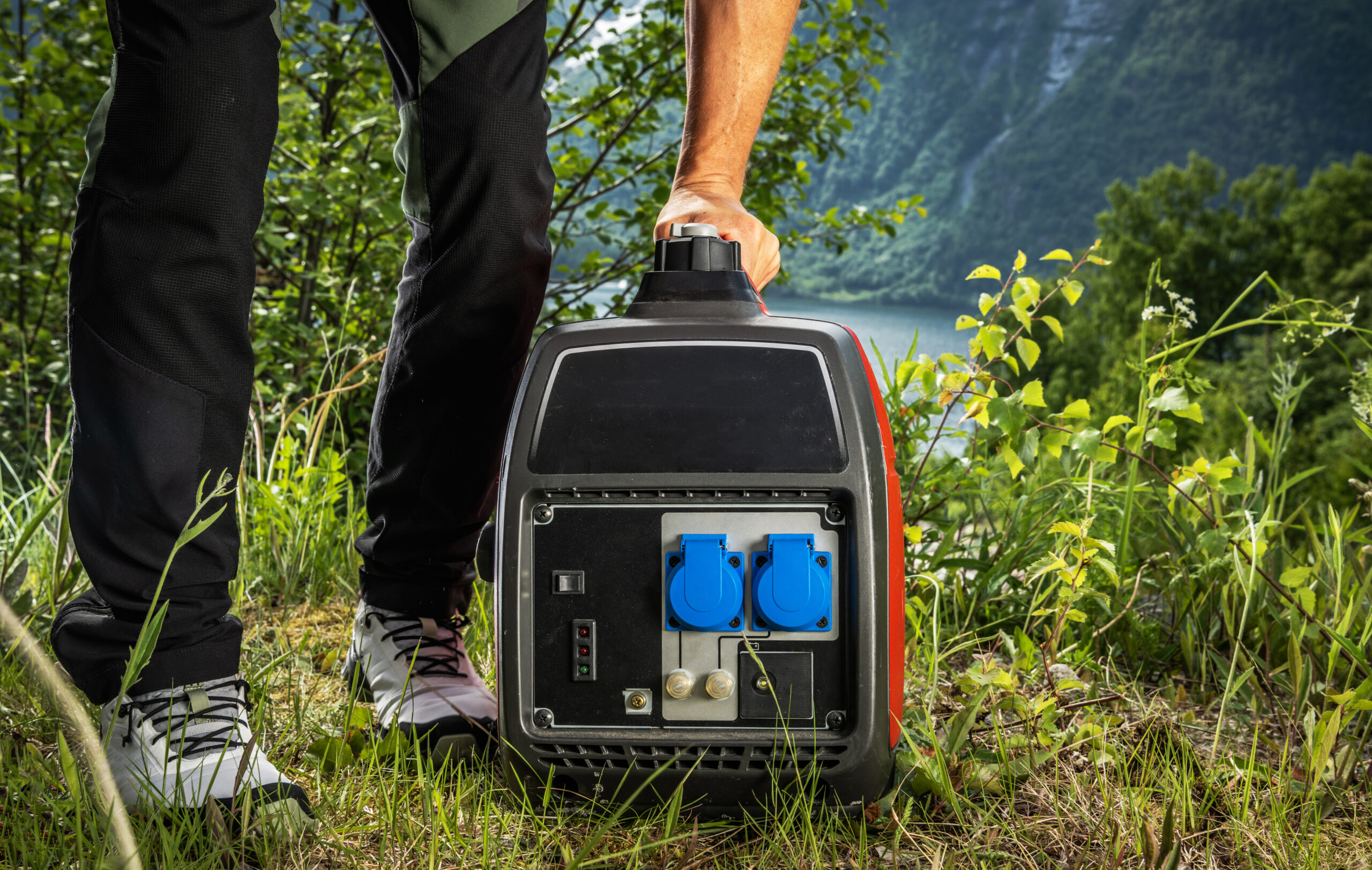


If your main goal is keeping the fridge cold during an outage, running power at a campsite, or charging gear without gas cans and engine noise, the question is straightforward: are solar generators worth it? Sometimes yes, absolutely. But they are not a one-size-fits-all replacement for every generator, and that is where many buyers get tripped up.
A solar generator can be a smart buy when you value quiet operation, low maintenance, indoor-safe use, and the ability to recharge from the sun. It is less convincing when you need long-duration whole-home backup, high-wattage 240V output, or the lowest upfront cost. The real answer depends on what you need to power, for how long, and how often you expect to use it.
Are solar generators worth it for home backup?
For short outages and essential loads, they often are. A properly sized solar generator can keep phones charged, Wi-Fi online, lights on, and medical devices, laptops, fans, or a small refrigerator running for meaningful stretches. That makes them appealing for homeowners who want a backup power option that is simple to use and safe indoors.
The biggest advantage is convenience. There is no fuel to store, no pull-start, no oil changes, and no exhaust. During a storm or grid failure, that matters. A battery-based system is easier for more people in the household to operate, and it is much more neighbor-friendly if you live in a suburban area where generator noise becomes a factor fast.
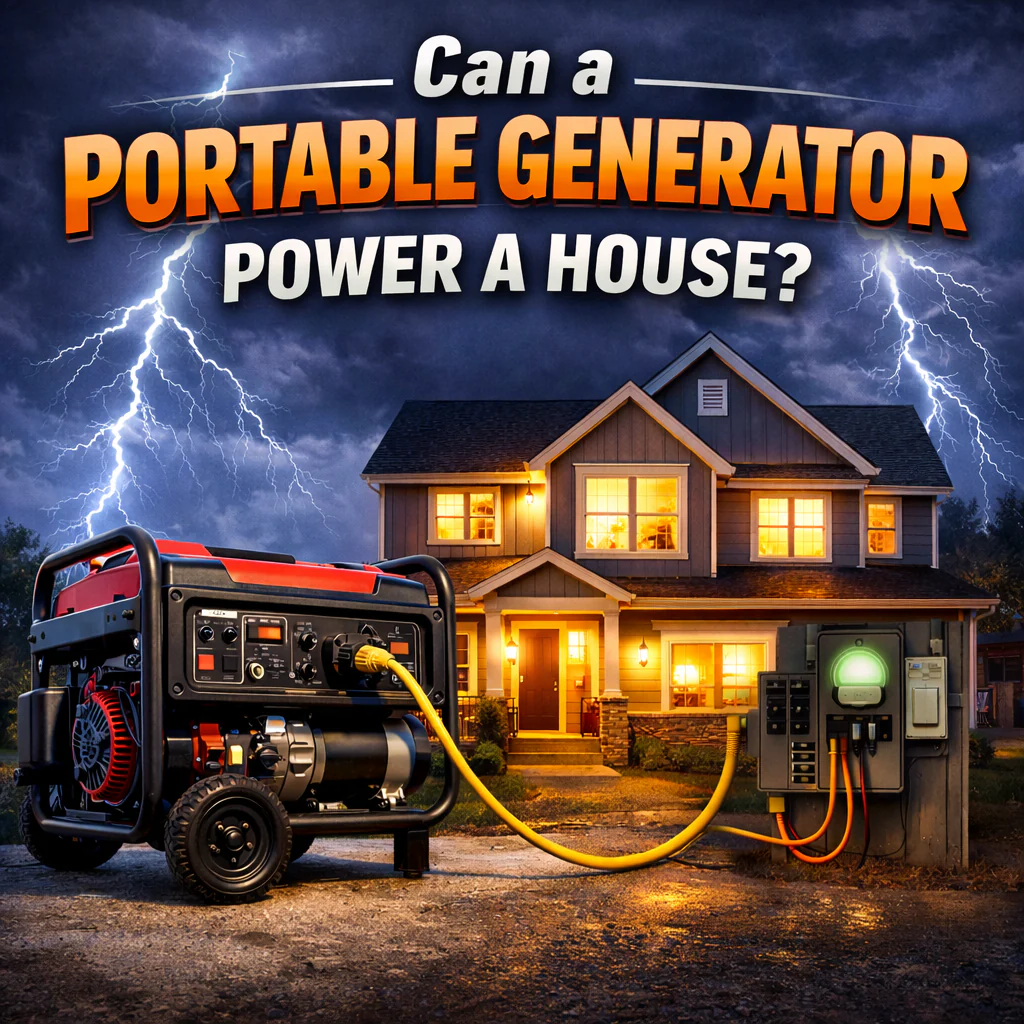
The limitation is output and runtime. If you want to run central air, an electric water heater, a well pump, and kitchen appliances at the same time, many solar generators will come up short unless you step into large, more expensive systems with expansion batteries. For partial-home backup, they can be excellent. For full-home backup, you need to be much more selective.
Where solar generators make the most sense
Solar generators tend to deliver the most value when portability and flexibility matter as much as raw power. That includes RV travel, van life, tailgating, outdoor work, camping, apartment backup, and emergency kits for common outages.
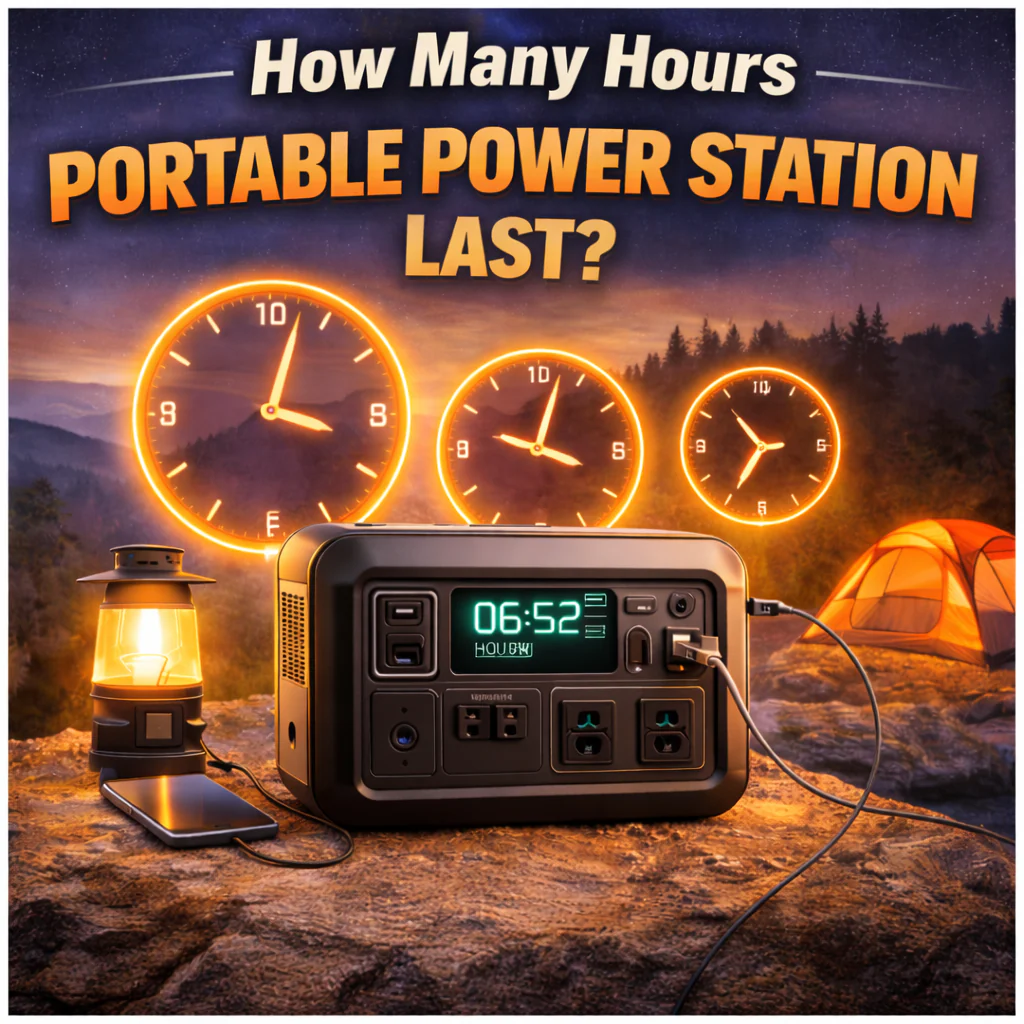
For RV owners and campers, the appeal is obvious. You get quiet power in places where noise matters, and you can recharge during the day if you have decent sun exposure. If you are mostly running lights, a portable fridge, device chargers, a CPAP machine, or a TV, a solar generator can feel like a major quality-of-life upgrade.
For apartment dwellers, they solve a different problem. A gas generator is usually not practical or safe in that setting. A solar generator can be stored indoors and used indoors, which makes it one of the few realistic backup power options for renters.
For mobile professionals, they can be a work tool as much as an emergency tool. Charging laptops, batteries, cameras, drones, and phones on-site without hunting for outlets saves time. If the unit also covers lights or small tools, the value goes up.
The trade-off: upfront price vs long-term convenience
This is where a lot of buying decisions are won or lost. Solar generators usually cost more upfront than comparable gas generators with similar wattage claims. If you compare sticker price alone, fuel-powered models often look like the better deal.
But cost is not just the purchase price. A solar generator has fewer maintenance requirements, no gasoline to buy and rotate, and no carburetor issues from sitting unused. For buyers who want backup power they can store, charge, and trust without much fuss, that convenience has real value.
Usage frequency matters too. If you only need backup power once every few years and you need the most watts per dollar, a conventional generator may still be the better fit. If you plan to use your power source regularly for travel, outdoor events, remote work, or everyday solar charging, the return looks better because the product is working for you year-round.
What buyers often misunderstand
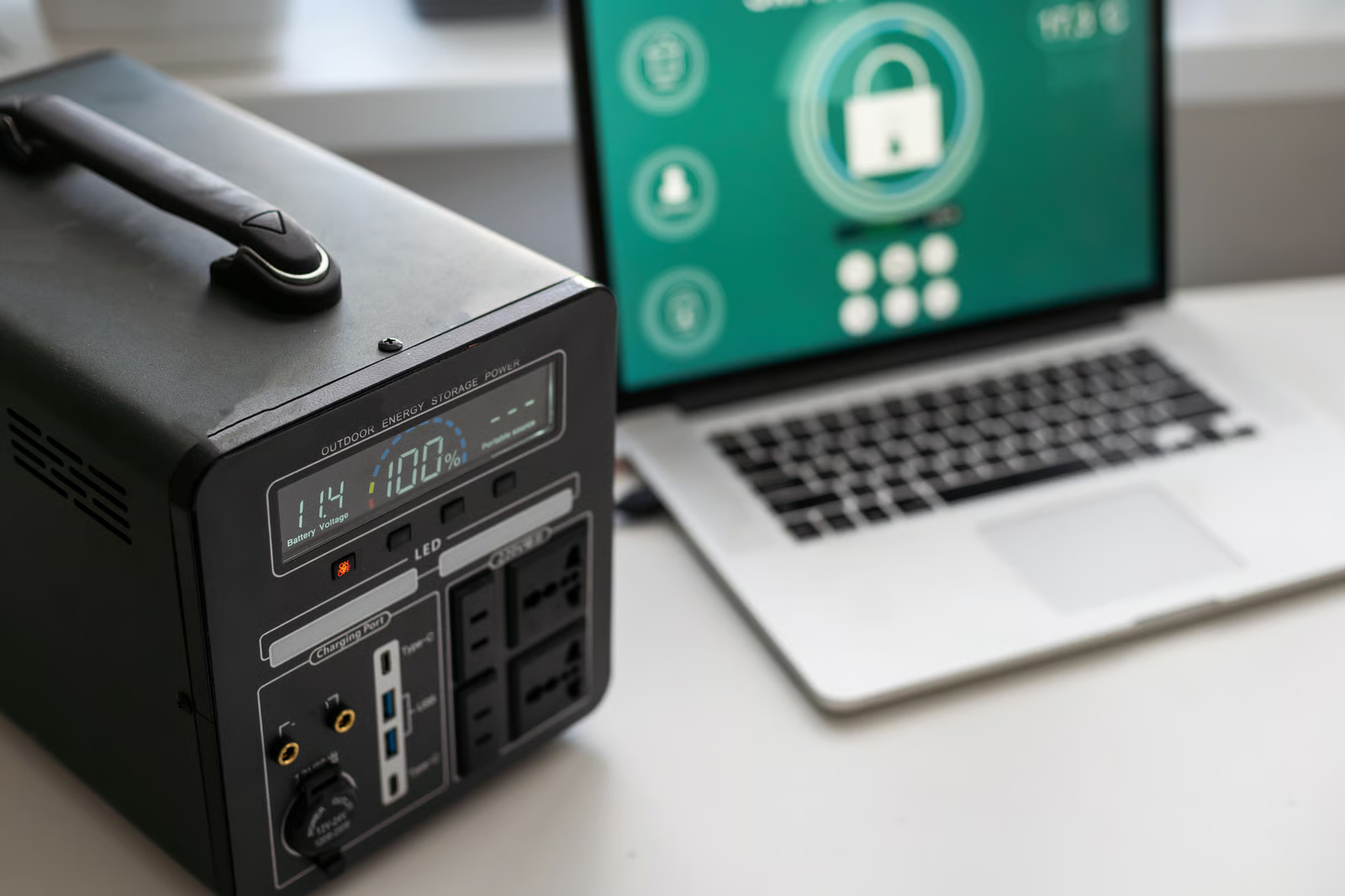
The phrase solar generator makes some people think the unit creates unlimited power from sunlight alone. It does not. In practical terms, you are buying a battery power station that can recharge from solar panels. That distinction matters because battery capacity and solar input speed are what determine the real-world experience.
A unit with a large battery but slow solar input may take too long to recharge in poor weather. A unit with fast charging but limited battery capacity may still leave you short overnight. And a unit with strong inverter output may power demanding devices briefly but drain quickly if those loads stay on for hours.
That is why the best buying approach starts with your loads, not marketing claims. Look at the wattage of the appliances you actually care about and estimate how long you need them to run. A solar generator is worth it when its capacity and output line up with your real use case, not an idealized one.
Are solar generators worth it compared to gas generators?
For clean, quiet, low-maintenance power, yes. For high-output, long-duration backup at a lower entry price, gas generators still have the edge.
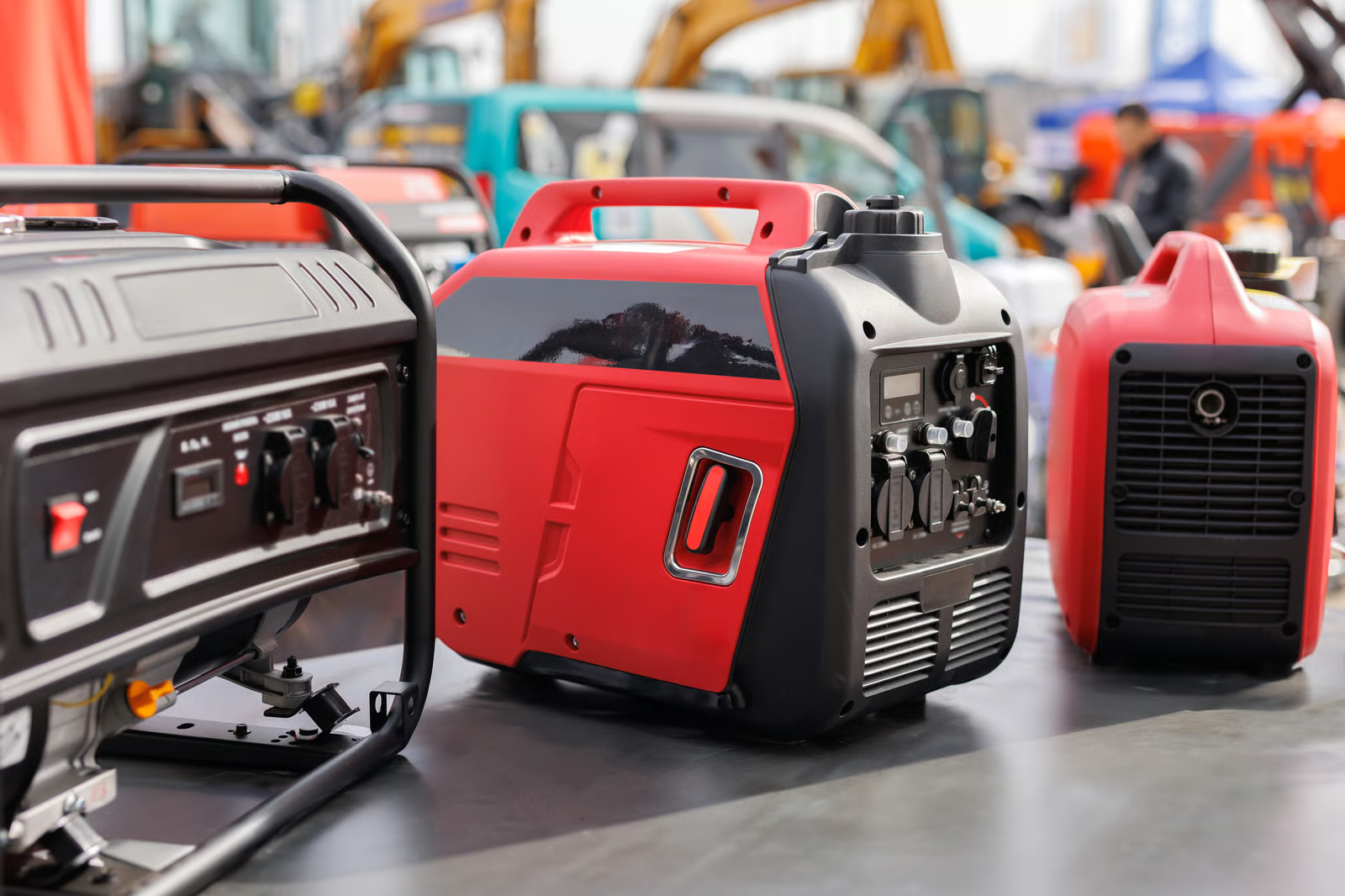
A gas generator remains the practical choice for heavy loads and extended outages where refueling is easier than recharging. If you live in an area with frequent multi-day outages and need to keep major appliances running, fuel power is hard to beat. You can add more gas and keep going.
A solar generator wins on simplicity, indoor use, and user experience. It starts instantly, requires less routine upkeep, and can be used in more places. There is also less stress around fuel storage, which many homeowners prefer.
For some households, the best answer is not either-or. It is both. A fuel generator can cover high-demand backup during long emergencies, while a solar generator handles indoor essentials, electronics, overnight noise concerns, and everyday portable power. That kind of layered setup is often the most resilient.
How to tell if a solar generator is worth it for your situation
Start with three questions. What do you need to power? How long do you need to power it? And where will you use the system most often?
If your list is mostly small to medium loads, such as phones, routers, laptops, lights, TVs, fans, CPAP machines, and maybe a refrigerator, a solar generator is often a very strong fit. If your list includes central AC, electric dryers, large pumps, or whole-home transfer switch expectations, you need either a much larger battery system or a different backup strategy.
Then think about charging. If you expect to rely on solar regularly, panel size and sunlight conditions matter a lot. A buyer in Arizona with good sun has a different experience than someone in a heavily shaded area with frequent storms. Solar recharging is a real advantage, but it is not magic.
Finally, think about how often convenience matters. If easy storage, one-button operation, quiet use, and no-fuel ownership sound like major benefits, that is a sign the premium may be justified.
The best reasons to buy one
A solar generator is easiest to justify when you want backup power that is simple and versatile. It can move from storm prep to camping trip to job site to tailgate without much hassle. That flexibility is something a traditional generator usually cannot match as well.
It also makes sense for buyers who want to avoid the friction that comes with gas ownership. No engine maintenance. No fumes. No starting issues after long storage. For many people, especially first-time backup power buyers, that lower barrier to use is the whole point.
And if you are already thinking in terms of preparedness, a solar generator fits well into a broader resilience plan. You can keep essential devices powered, recharge with wall power ahead of storms, and add solar charging when the grid is down for longer than expected.
When they are probably not worth it
If your only priority is maximum power for minimum cost, they may not be the right buy. The same goes if you need to run large 240V loads, power an entire home without careful load management, or get through repeated long outages with little sun available.
They can also disappoint buyers who underestimate how much energy appliances use. Space heaters, coffee makers, microwaves, and air conditioners can drain battery capacity quickly. If your expectations are too high for the unit size, the experience will feel underpowered no matter how good the product is.
That does not mean solar generators are overhyped. It means sizing is everything.
For the right buyer, a solar generator is absolutely worth it because it solves real power problems with less noise, less hassle, and more flexibility. For the wrong buyer, it can be an expensive mismatch. If you shop with your actual loads and backup goals in mind, the right system will be obvious – and a lot more useful when you need it most.