
When the power goes out, most people find out fast which circuits actually matter. It is usually not the chandelier or the guest room outlets. It is the refrigerator, Wi-Fi, phone charging, medical devices, garage door, a few lights, and maybe a sump pump if the weather is bad. This home battery backup guide is built around that reality – keeping the essentials running without overbuying, oversizing, or getting lost in specs.
What a home battery backup system actually does
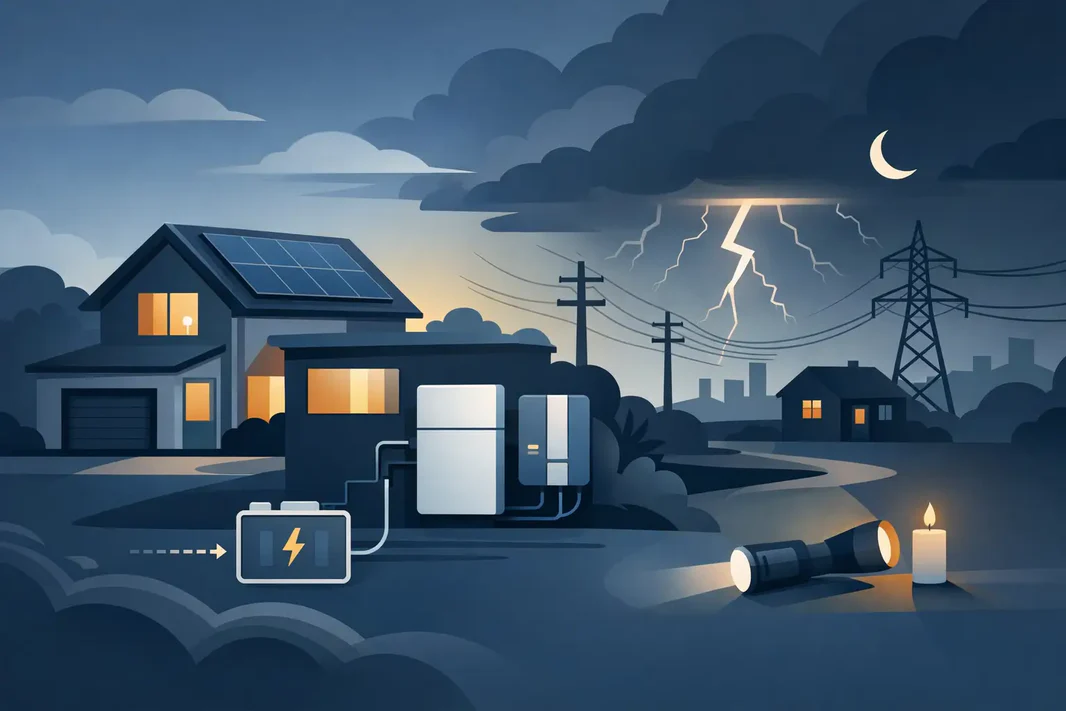
A home battery backup system stores electricity for later use. That electricity can come from the grid, from solar panels, or both, depending on the setup. When utility power drops, the battery can supply stored power to selected devices or circuits so your home stays functional.
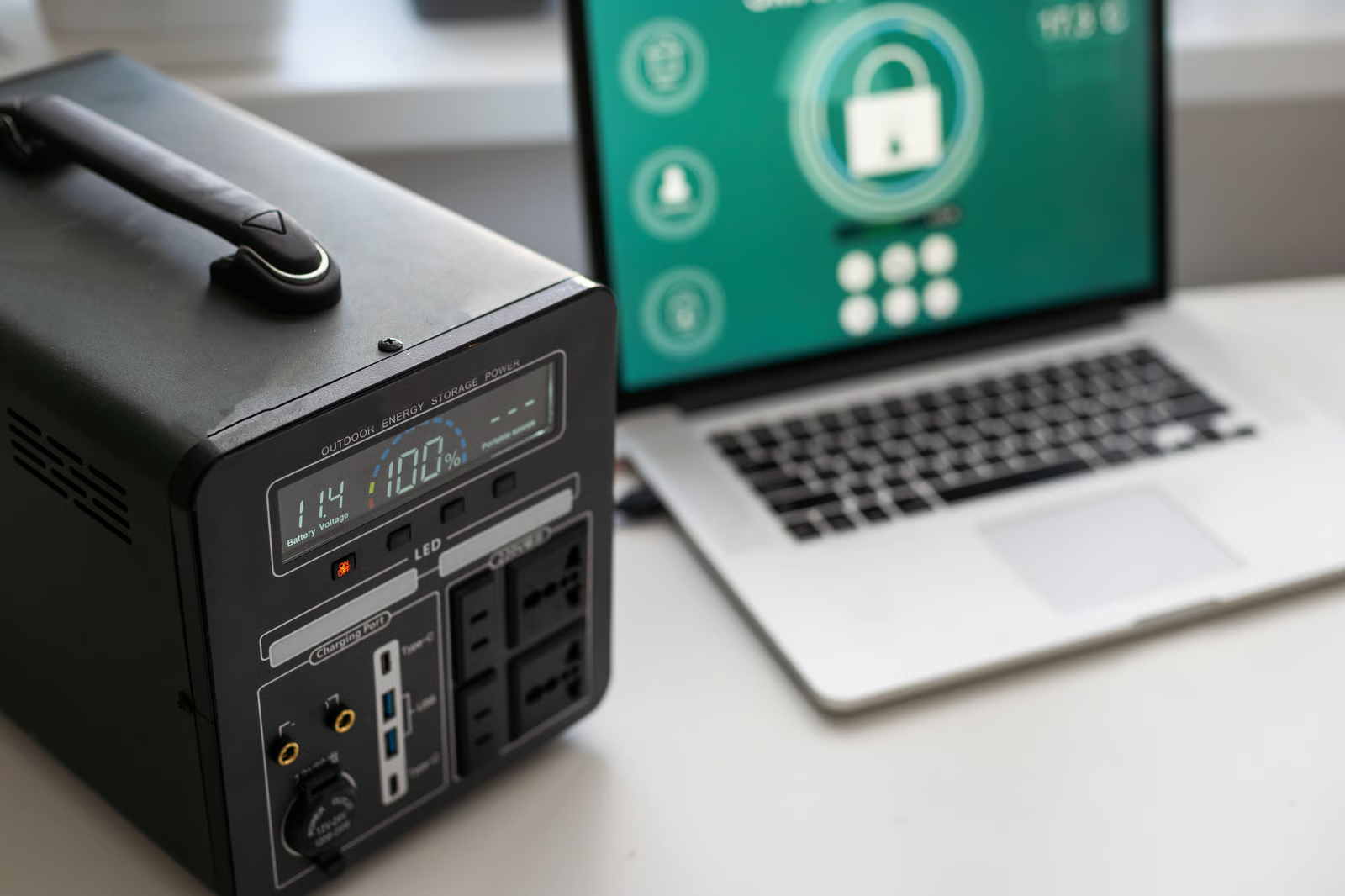
That sounds simple, but there are two very different buying paths. One is a portable battery power station you can move where needed and plug devices into directly. The other is a larger battery backup system designed to connect to home circuits, often with transfer equipment and optional solar charging. The best fit depends on whether you want convenience for a few key devices or a more integrated outage plan.
For many homeowners, the question is not whether battery backup works. It does. The real question is how much coverage you want, how long you need it to last, and whether battery power should stand alone or work alongside a generator.
Home battery backup guide: start with your must-run loads
The fastest way to choose the wrong battery is to shop by marketing claims instead of power needs. Start by listing what you need to keep running during an outage. Be specific. A refrigerator has different demands than a CPAP machine, a modem, or a microwave.
Every device has a running wattage, and some have a higher startup surge. Refrigerators, freezers, sump pumps, and power tools often need extra surge capacity. If your battery inverter cannot handle that startup spike, the device may not run even if the battery has enough stored energy on paper.
A basic essentials list for many homes includes the refrigerator, internet equipment, several LED lights, phones, laptops, and a television. In some homes, the non-negotiables are medical equipment, a well pump, a pellet stove, or a security system. Once you know what matters most, you can estimate how many watts you need at one time and how many watt-hours you need over the full outage.
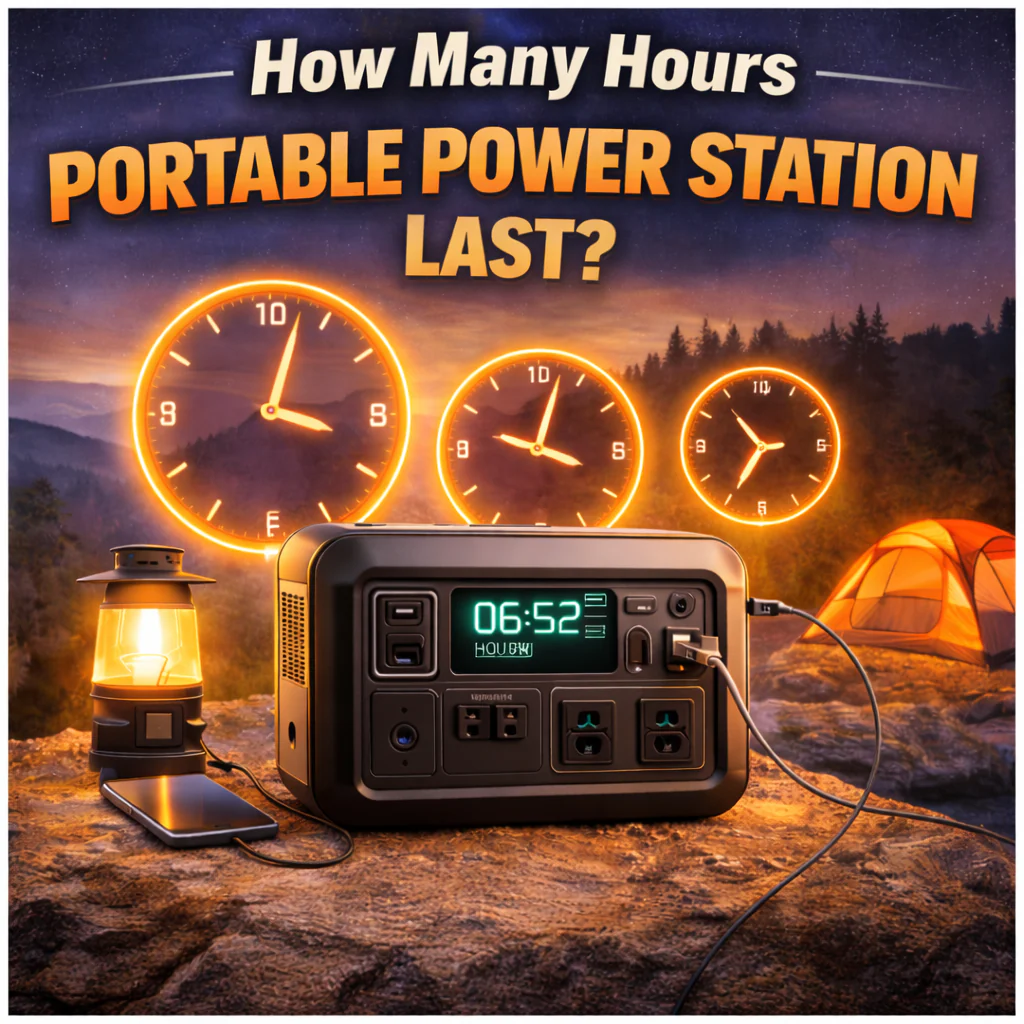
If that sounds technical, here is the practical version. Watts tell you how much power is needed right now. Watt-hours tell you how long the battery can keep supplying that power. A 2,000-watt-hour battery could run a 100-watt load for about 20 hours under ideal conditions, though real-world losses reduce that some. That is why runtime claims should always be treated as estimates, not guarantees.
Portable power station or whole-home style battery backup?
This is where a lot of shoppers save money or waste it.
A portable power station makes sense if you want backup for individual devices, short outages, apartment living, RV use, or a flexible emergency kit that can also travel. It is often the easiest entry point because setup is simple and there is no major installation. For many households, a quality portable unit covers the most common outage problems just fine.
A larger battery backup system tied into home circuits makes more sense if you want a cleaner, more automatic backup experience. Instead of running extension cords to a fridge and router, you can back up selected circuits directly. That approach costs more and usually requires more planning, but it is a better match for homeowners who want dependable coverage in repeated outages.
The trade-off is straightforward. Portable systems are easier and often less expensive, but they cover less. Installed systems are more capable and convenient, but they involve higher upfront cost and more installation decisions.
How much battery capacity do you really need?
Most buyers either undershoot badly or aim for whole-home backup when they only need essential-load backup. The smarter move is to match the system to your outage pattern.
If your outages are short and infrequent, enough capacity to keep food cold, phones charged, and lights on may be plenty. If you deal with storms, wildfire shutoffs, rural grid issues, or overnight outages, more stored energy starts to make sense. If you work from home, rely on electric medical equipment, or have a basement that floods without a sump pump, battery sizing becomes less about comfort and more about risk reduction.
Think in tiers. The smallest tier is device-level backup for phones, modems, laptops, lights, and maybe a CPAP. The middle tier is essential appliance backup, such as a refrigerator, Wi-Fi, lights, and small electronics. The larger tier is selected circuit backup for bigger home systems and longer outages. Full whole-home battery backup is possible, but it is usually the most expensive path and not always necessary.
This is also where solar enters the conversation. Without recharging, a battery is a finite fuel tank. With solar panels, you may be able to refill part of that tank during daylight hours. That can make a major difference in multi-day outages, especially for lower and steady loads. But solar recharging speed depends on panel size, weather, season, and how much power your home is using while the battery charges.
Key specs that matter more than marketing
Capacity matters, but it is only one part of the picture. In any home battery backup guide, the most useful specs are capacity, output, surge rating, recharge speed, battery chemistry, and available outlets or connection options.
Output wattage tells you how much the unit can power at once. Surge rating tells you whether it can start motor-driven appliances. Recharge speed matters because a battery that takes all day to refill may be less useful between repeated outages. Battery chemistry matters because lithium iron phosphate batteries typically offer longer cycle life and better thermal stability than older lithium options.
You should also check whether the unit offers standard AC outlets, RV-style outputs, USB ports, 240V support if needed, and solar input compatibility. A battery can look impressive on a product page and still be wrong for your actual devices.
Noise is another overlooked factor. Battery systems are much quieter than fuel generators, which is a real advantage at night, in neighborhoods, or for indoor-adjacent use. But quiet operation does not automatically mean better value. If you need to run heavy loads for a long outage, a battery-only setup may become expensive compared with a generator or a battery-generator combination.
Battery backup vs generator: which is better?
There is no single winner. It depends on what you want the system to do.
Battery backup is clean, quiet, low-maintenance, and easy to use. It is excellent for indoor-safe power delivery, electronics, overnight operation, and situations where noise or fumes are a concern. It also pairs well with solar and works well for short outages or essential circuits.
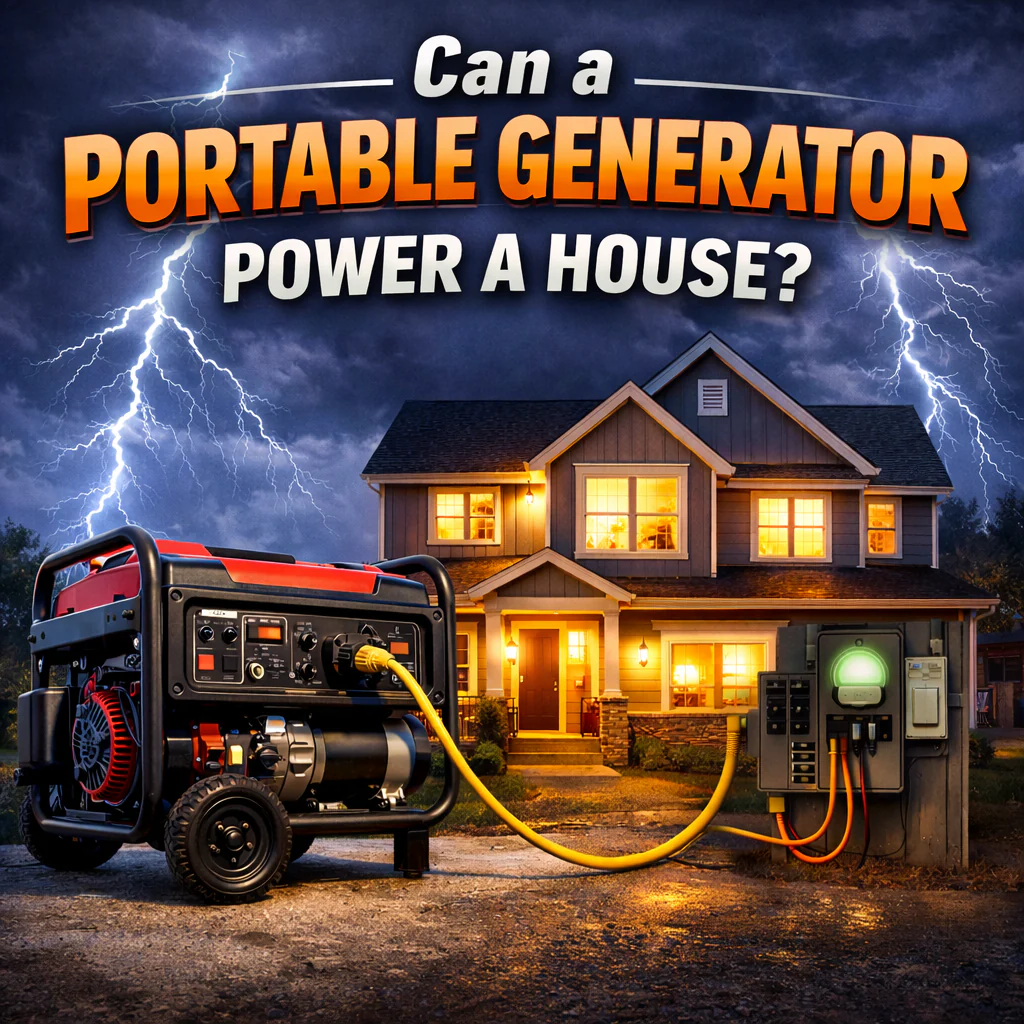
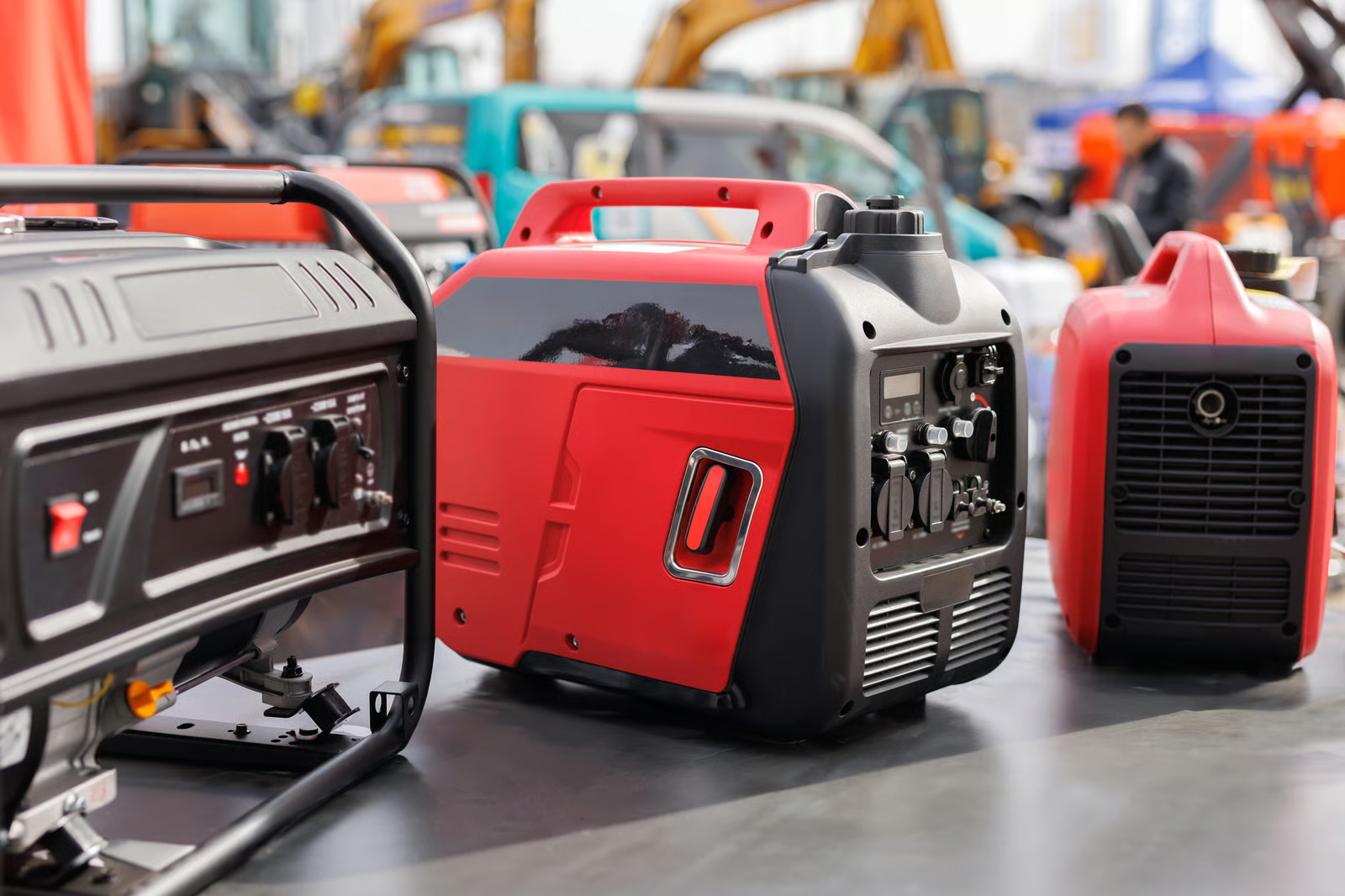
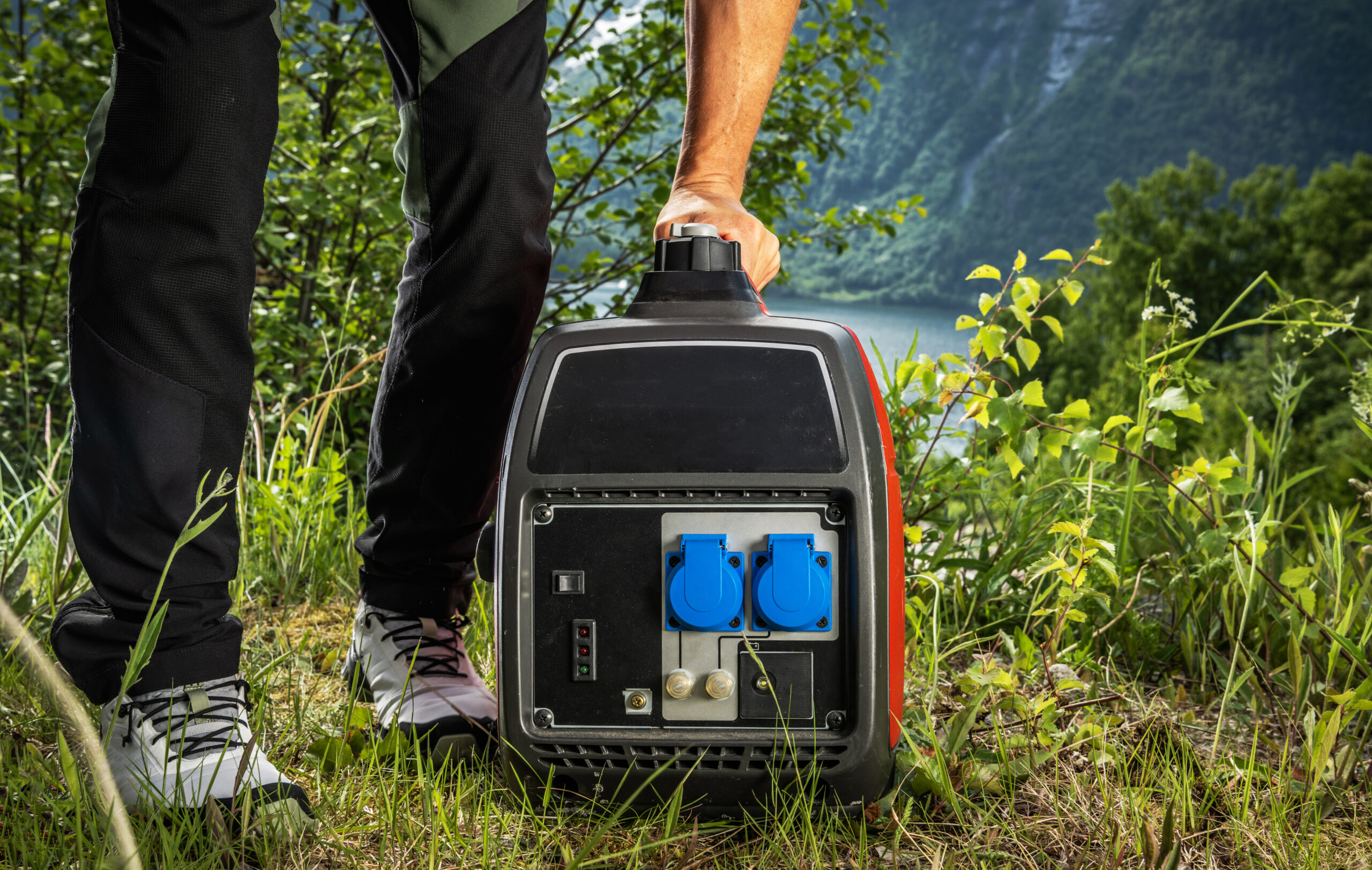
Generators usually offer more runtime for the money if you need sustained high-output backup. They are often the better fit for large appliances, HVAC support, long outages, or households that need to keep more of the home operating. The downside is fuel, maintenance, noise, and safe outdoor operation requirements.
For many shoppers, the best answer is not battery or generator. It is battery plus generator. The battery handles quiet, instant, convenient power for essentials, while the generator covers longer events and heavier loads. That blended approach is practical, especially in areas with severe weather or unreliable utility service.
Installation, safety, and everyday use
Portable battery systems are usually straightforward, but you still need a plan. Test the unit before an emergency. Charge it fully, confirm your devices work with it, and store the right cables nearby. If you expect winter outages, do not wait until the storm warning to figure out how your refrigerator or medical device will be powered.
For larger home-connected systems, professional installation matters. Circuit selection, transfer equipment, load balancing, and code compliance are not details to guess at. A properly planned system is safer, easier to use, and much more likely to perform the way you expect under pressure.
It also helps to think beyond emergencies. Some battery systems can reduce reliance on the grid during peak-rate hours or store solar energy for later use. That does not mean every battery is a money-saving tool first. For many households, resilience is the main payoff. The value is in keeping your home functional when the grid is not.
How to buy with fewer regrets
A good buying decision usually comes down to three questions. What absolutely needs power, for how long, and how much convenience do you want? If your answer is a refrigerator, router, lights, and phones for several hours, a portable power station may be enough. If your answer includes key home circuits and smoother outage coverage, step up to a larger battery backup system. If your answer includes high-demand appliances for extended outages, consider a generator or hybrid setup as part of the plan.
The strongest setups are built around real use, not idealized scenarios. That is why GenVault focuses on practical backup options across battery, solar-ready, and generator categories. The right system is the one that fits your outage risks, your home, and your budget without forcing compromises you will notice the first time the lights go out.
If you are choosing backup power now, do not aim for perfect. Aim for prepared, because a system that covers your true essentials is worth a lot more than one that only looks good on a comparison chart.