
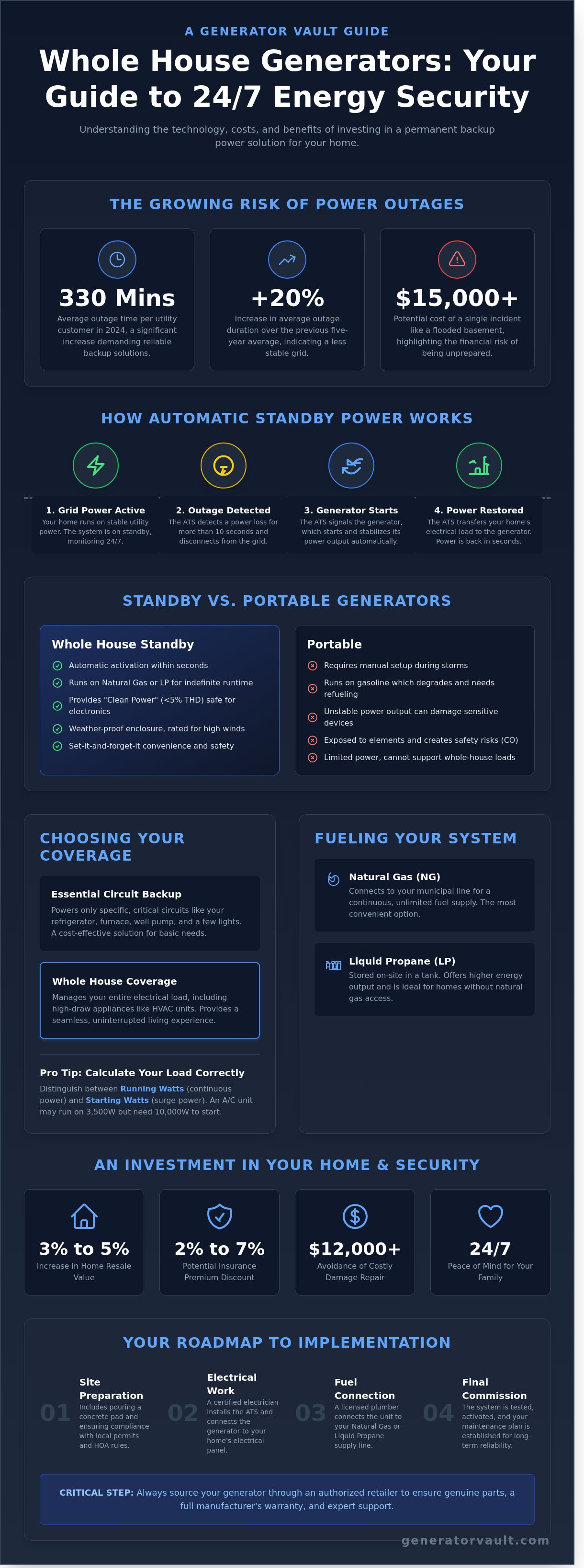
In 2024, data from the U.S. Energy Information Administration showed that utility customers faced an average of 330 minutes without power, a 20% increase over the previous five-year average. When the grid fails, the difference between a dry basement and a $15,000 repair bill often rests on the reliability of your backup system. You’ve likely looked into a whole house generator to solve this, yet the technical specifications and total cost of ownership remain significant hurdles.
It’s frustrating to weigh the benefits of power independence against the complexity of liquid-cooled versus air-cooled engines. You need a solution that protects your sensitive electronics and keeps your food safe without requiring you to be a master electrician. This guide provides the unvarnished facts you need to select, size, and implement a set-it-and-forget-it system that offers seamless protection. We’ll break down 2026 pricing models, explain how to calculate your peak wattage, and show you how this investment can increase your home’s resale value by 5%.
Key Takeaways
- Understand how automatic standby technology restores power within seconds of a grid failure to maintain 24/7 energy security.
- Identify the critical role of the Automatic Transfer Switch (ATS) and determine whether natural gas or liquid propane best fits your infrastructure.
- Compare the commercial-grade reliability of Kohler against the compact power density of Briggs & Stratton to select the ideal whole house generator for your needs.
- Learn to navigate the three pillars of professional installation, including site preparation and managing local permit or HOA requirements.
- Discover the strategic advantage of sourcing high-ticket equipment through authorized retailers to ensure genuine parts and full warranty protection.
What is a Whole House Generator? Defining 24/7 Energy Security
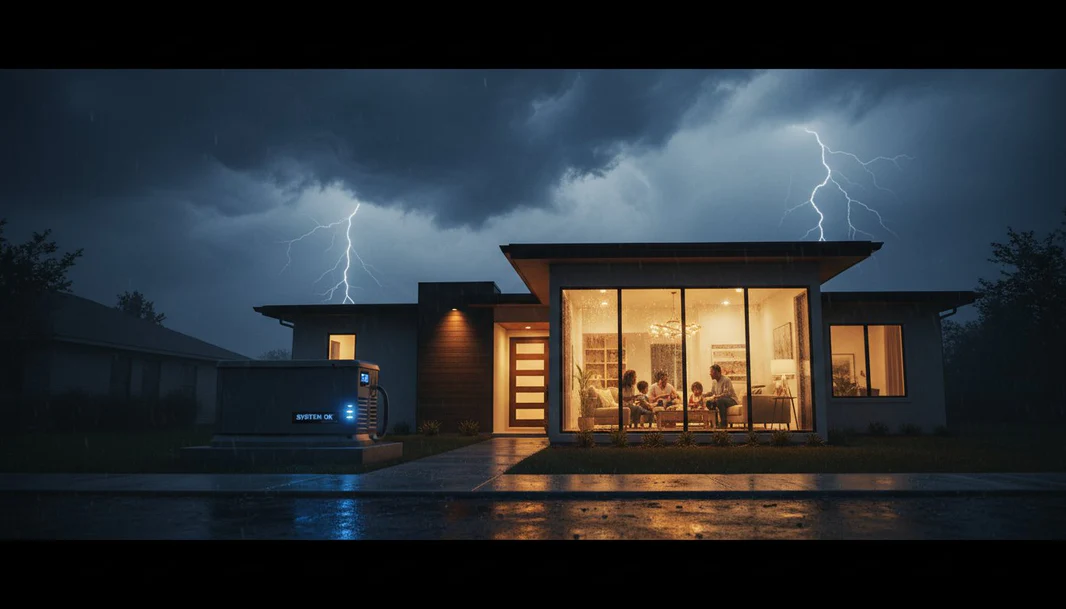
A whole house generator is a stationary, permanently installed outdoor power plant designed to protect your home from utility failures. These units sit on a concrete or composite pad, similar to a central air conditioning system, and connect directly to your home’s electrical panel. By 2026, the American electrical grid has seen a 22% increase in localized outages compared to 2020 levels, making these systems a critical component of resilient home infrastructure. The system functions through an Automatic Transfer Switch (ATS), which monitors utility voltage 24 hours a day. If grid power is lost for more than 10 seconds, the ATS automatically disconnects the house from the dead utility line and engages the generator to restore electricity.
Homeowners must choose between “essential circuit” backup and “whole house” coverage. Essential circuit systems power only specific breakers, such as the refrigerator and furnace, while a true whole house generator manages the entire electrical load. Modern 2026 models utilize smart load-shedding technology to prioritize high-draw appliances like HVAC units and water heaters, ensuring the engine isn’t overwhelmed while maintaining a comfortable environment. This automatic transition provides a seamless experience, protecting sensitive electronics from the voltage spikes often associated with grid restoration.
Whole House vs. Portable Generators
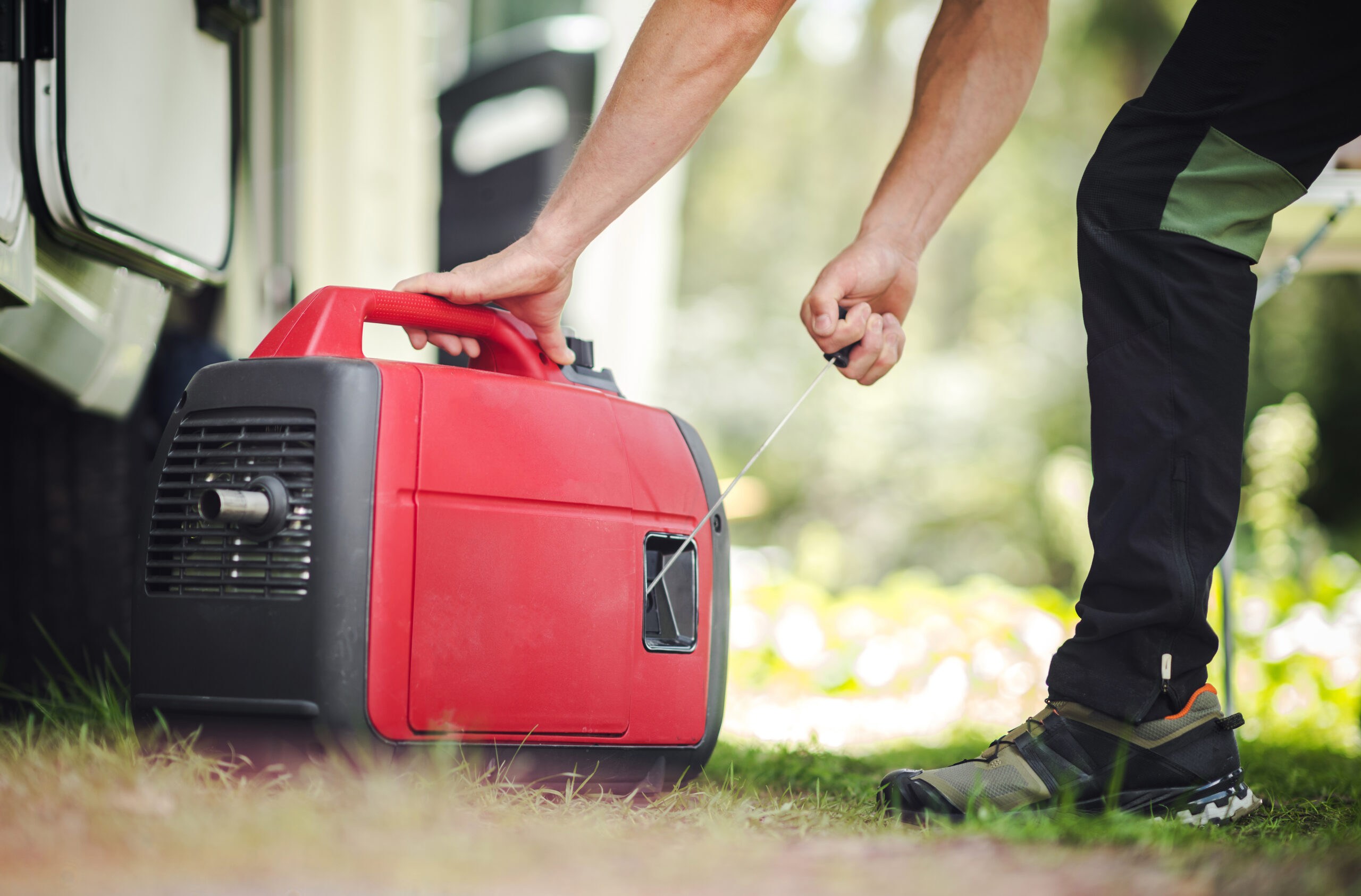
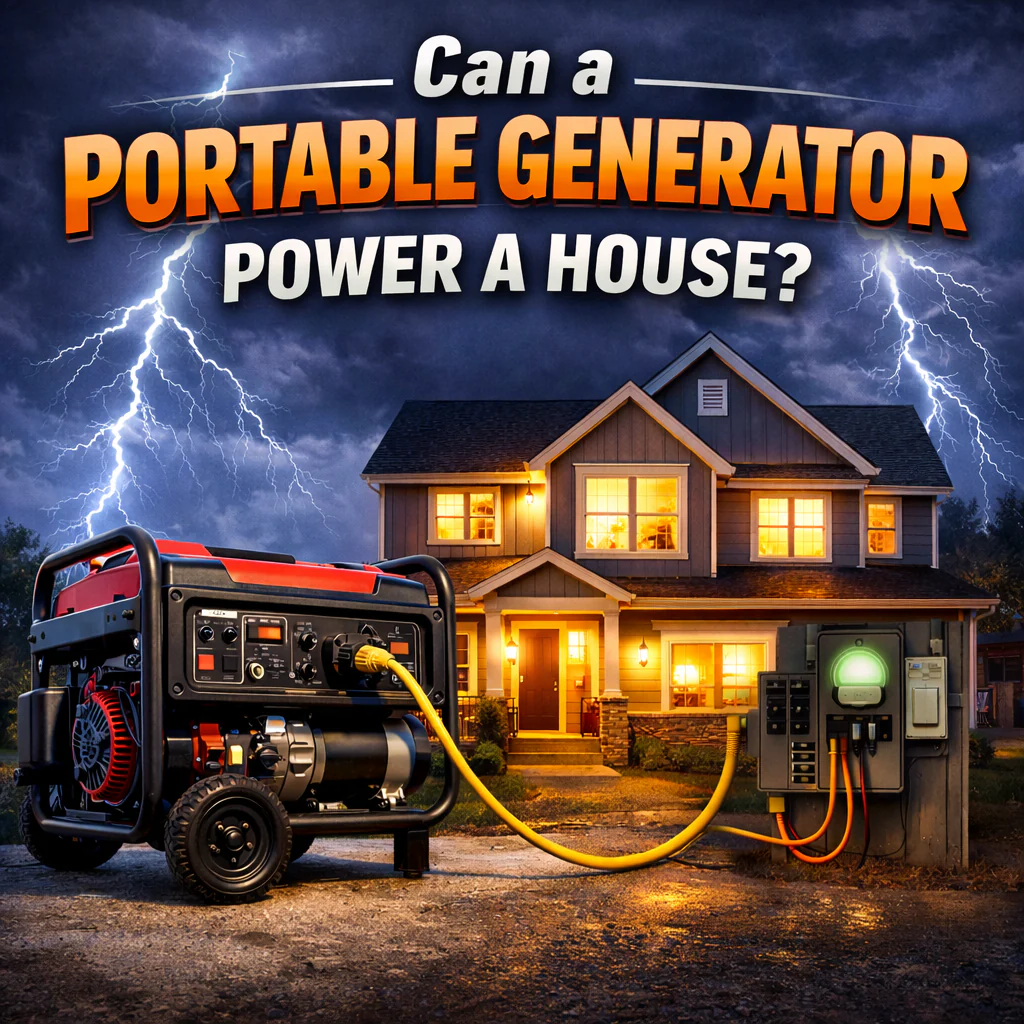
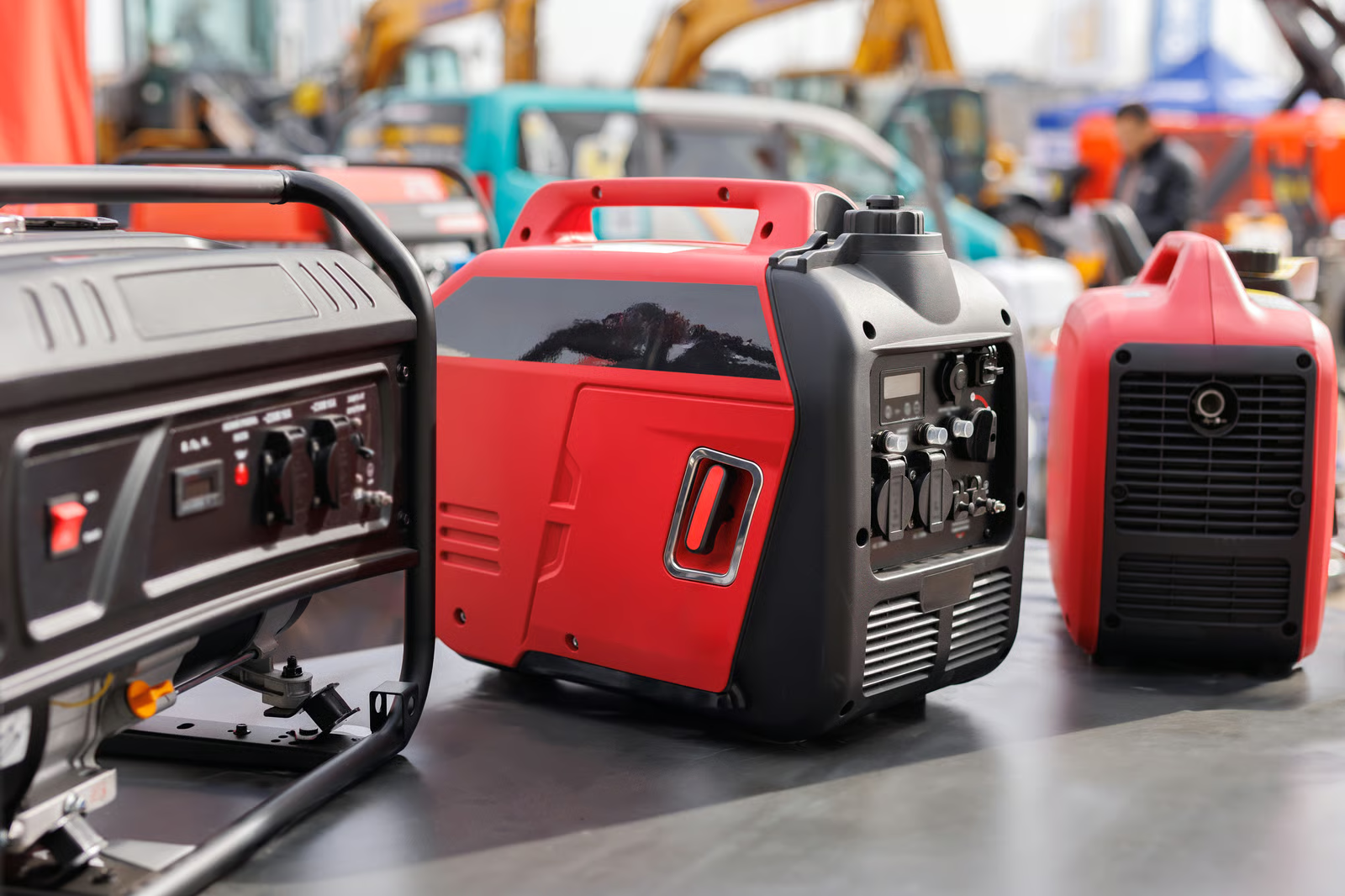
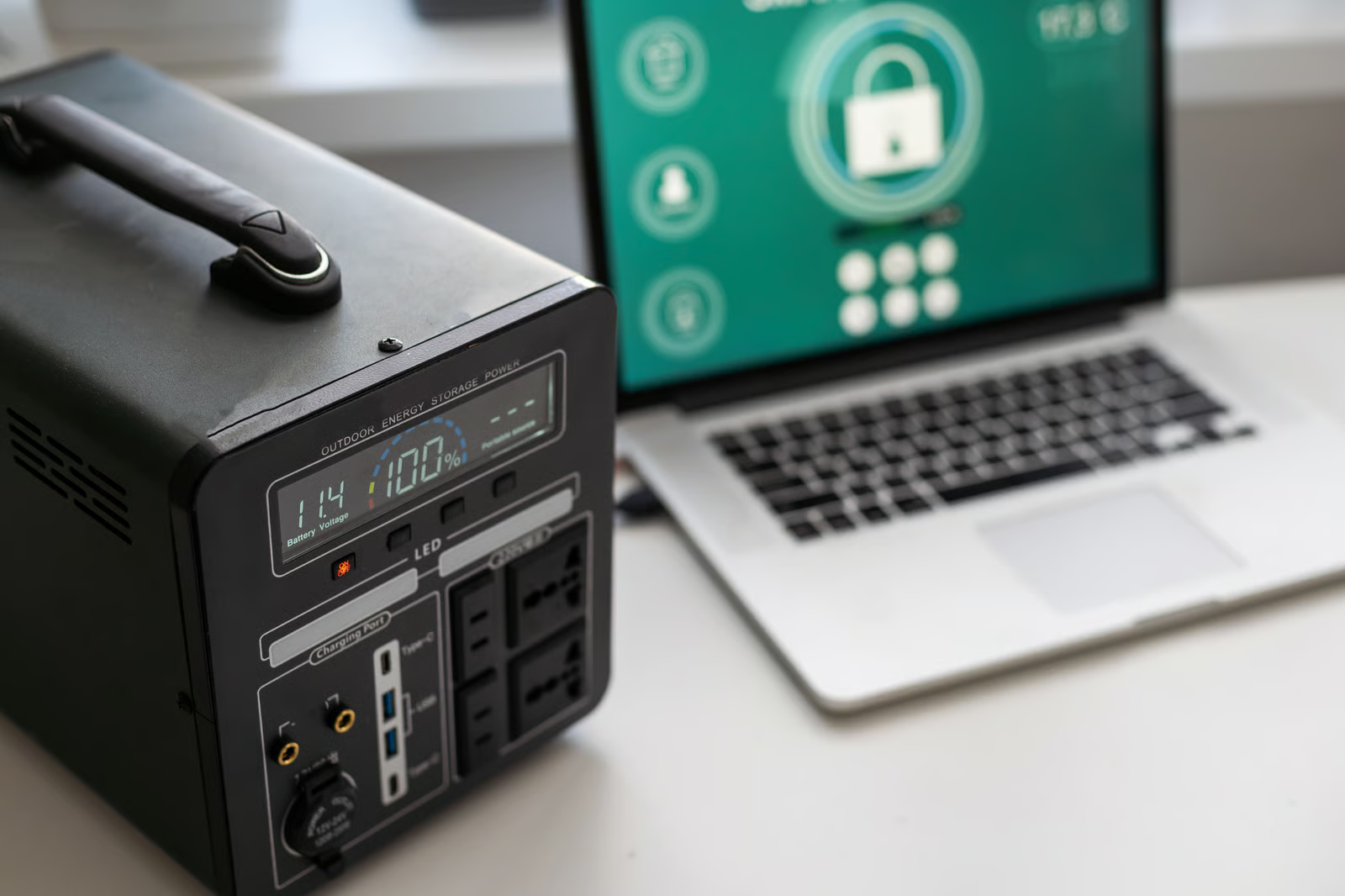
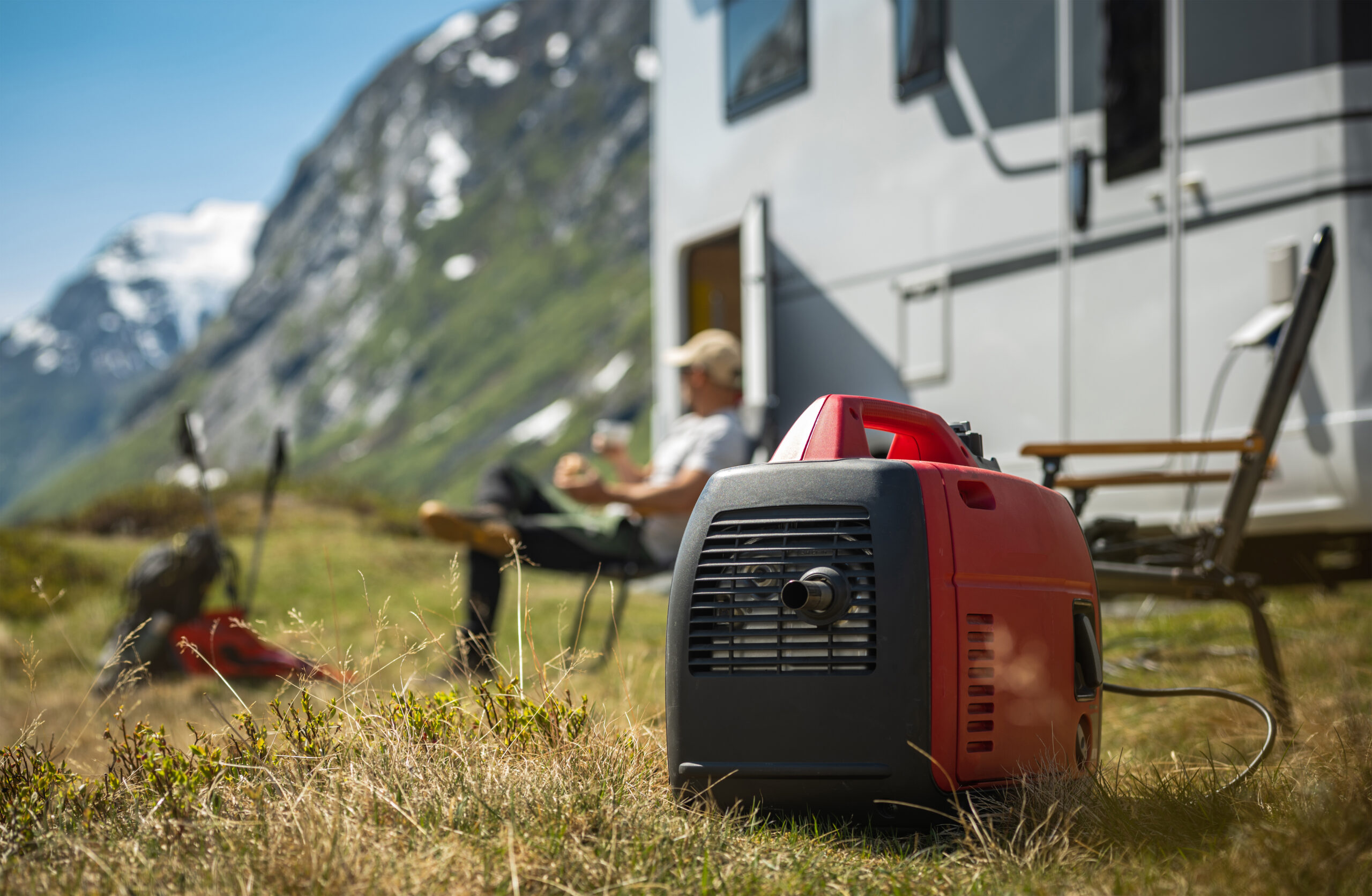
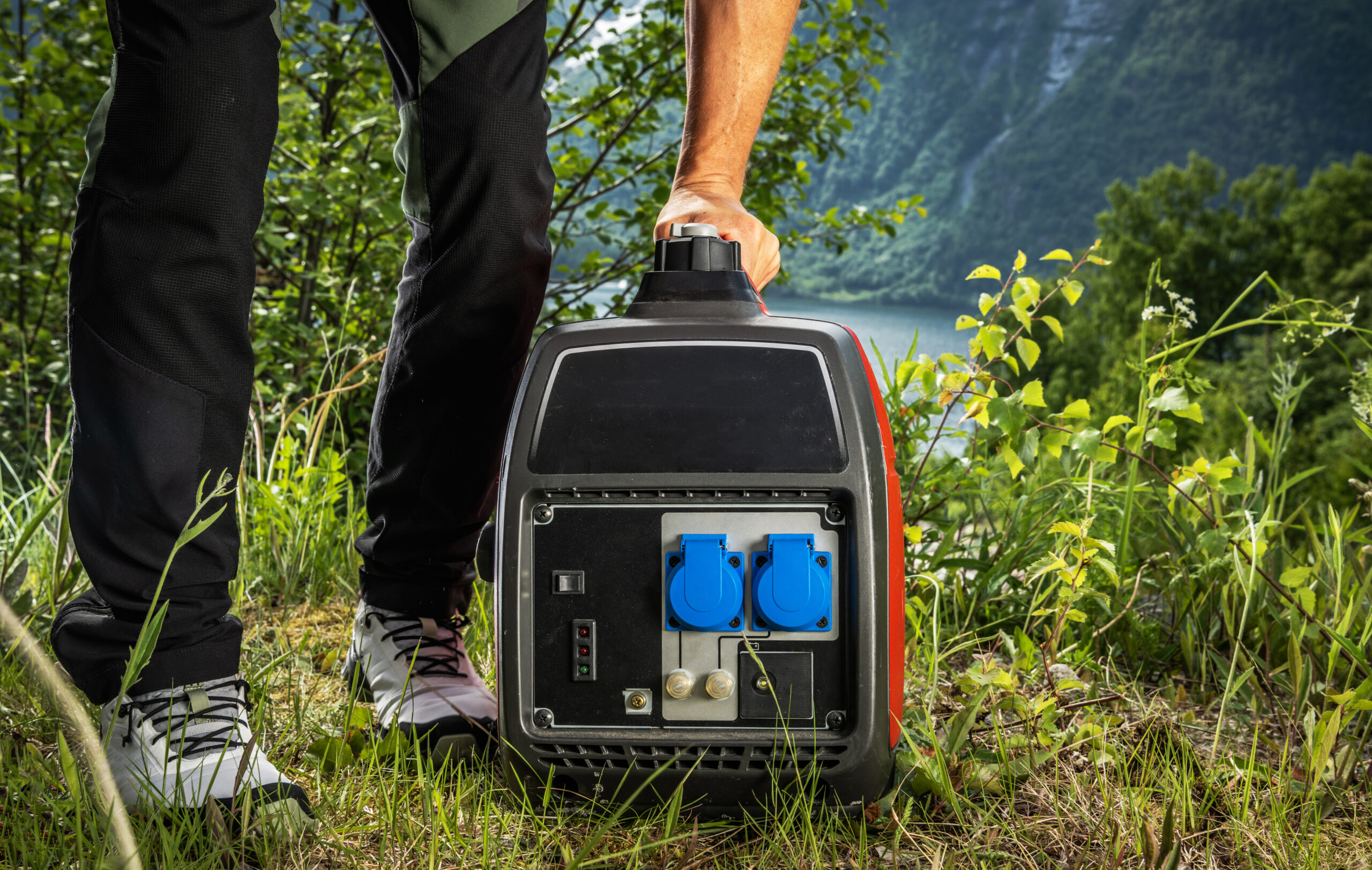
The primary distinction lies in fuel management and reliability. Portable units typically run on gasoline, which degrades in as little as 90 days and requires manual refueling during a storm. In contrast, a standby generator connects to your existing natural gas or liquid propane supply, providing an indefinite runtime. The protective enclosure of a standby unit is engineered for extreme weather, with many rated to withstand 150 mph winds. Relying on a portable unit requires you to venture outside in dangerous conditions to setup cables and fuel, which creates a significant safety liability that permanent installations avoid.
The Value Proposition: ROI and Peace of Mind
Installing a permanent backup system offers a clear financial return beyond simple convenience. Real estate market analysis from 2025 shows that homes equipped with standby power see a resale value increase of approximately 3% to 5%. Insurance companies often recognize this installation as a risk-mitigation tool, offering premium discounts of 2% to 7% because it prevents frozen pipe bursts and major food spoilage. A single pipe burst can cost a homeowner upwards of $12,000 in restoration fees, a figure that far exceeds the annual maintenance cost of a generator.
Engineering Your Backup Strategy: Sizing, Fuel, and the ATS
The Automatic Transfer Switch (ATS) acts as the command center for your whole house generator. It monitors utility power 24/7. When a grid failure occurs, the ATS disconnects your home from the utility line and signals the generator to start. This mechanical isolation prevents “backfeeding,” which protects utility workers from dangerous electrical surges. Following official guidelines on safely using a backup generator ensures this transition happens within 10 seconds without risking your home’s internal circuitry.
Most homeowners choose between Natural Gas (NG) and Liquid Propane (LP). NG offers a continuous fuel supply via municipal lines, while LP provides a higher BTU output and doesn’t degrade over time like gasoline. Beyond fuel, you must prioritize “Clean Power.” This refers to electricity with a Total Harmonic Distortion (THD) of less than 5%. Sensitive microprocessors in modern refrigerators, LED lighting, and HVAC controllers often malfunction or fail if the power signal isn’t this stable. High-quality alternators in a whole house generator are engineered specifically to maintain these tight tolerances.
Calculating Your Power Requirements
Calculating your load involves more than just adding up labels. You must distinguish between running watts and starting (surge) watts. A standard 3-ton A/C unit might require 3,500 watts to run, but it needs a 10,000-watt surge to kick the compressor into gear. Identifying high-draw appliances like sump pumps and water heaters is the first step toward reliability. Over-sizing is a common trap; if a generator runs at less than 30% capacity for extended periods, it can suffer from “wet stacking,” where unburned fuel accumulates in the exhaust and damages the engine. You can consult our guide on Sizing a standby generator to find your specific “Goldilocks” zone and avoid paying for capacity you’ll never use.
Air-Cooled vs. Liquid-Cooled Engines
Air-cooled units are the industry standard for residential needs requiring up to 26kW of power. They’re cost-effective and use an internal fan to dissipate heat. However, if your property exceeds 5,000 square feet or you live in a climate where summer temperatures regularly exceed 100 degrees Fahrenheit, a liquid-cooled engine is the better investment. These units use a radiator and coolant system similar to an automobile. They typically run at 1,800 RPM instead of the 3,600 RPM found in air-cooled models, which results in a quieter operation and a significantly longer engine lifespan during multi-day outages.
You can compare performance data for both engine types to see which architecture fits your local climate and power goals.
Standby Giants: Kohler vs. Briggs & Stratton Solutions
Selecting a whole house generator often requires choosing between two legacy brands that define modern power reliability: Kohler and Briggs & Stratton. While both manufacturers offer robust solutions, they approach residential backup power with different engineering philosophies. Kohler has successfully transitioned its commercial-grade expertise into the residential sector, emphasizing heavy-duty alternators and superior voltage regulation. Conversely, Briggs & Stratton focuses on maximizing power density, delivering higher wattage outputs in frames that occupy less physical space on your property.
Kohler Standby Excellence
The Kohler 14kW and 26kW models represent the current industry benchmarks for durability. These units utilize PowerBoost technology, which provides the necessary torque to start large motor loads, such as a 5-ton central air conditioner, without causing voltage drops that might crash sensitive home servers or computers. Professional installers favor Kohler because the internal component layout is exceptionally organized. This spacious design allows for faster diagnostic testing and reduces the labor hours required for routine maintenance. Most Kohler residential units also feature hydraulic valve lifters, which eliminate the need for costly manual valve adjustments every 200 hours of operation.
Briggs & Stratton Innovation
Briggs & Stratton has pushed the limits of air-cooled technology with its 26kW standby unit. It currently stands as the most powerful air-cooled whole house generator in its class, providing enough capacity to manage entire luxury homes. Their Amplify Power Management system is a standout feature, allowing homeowners to prioritize high-demand appliances through a dedicated smartphone application. This digital load management ensures that your oven and dryer don’t trip the main breaker during an emergency. For those who are still weighing all the major players in the industry, comparing Generac and Kohler offers a wider perspective on how these brands compete for the top spot in reliability.
Material choice and warranty terms are the final deciders for many homeowners. Enclosure materials directly impact the lifespan of your investment:
- Aluminum: Standard on many Kohler models, this is the preferred choice for coastal environments within 1,000 feet of salt spray because it doesn’t rust.
- Galvanneal Steel: Common in Briggs & Stratton units, this automotive-grade material is treated for corrosion resistance and offers high impact durability in areas with heavy debris.
- Composite: Kohler’s high-impact enclosures are designed for sound dampening and resistance to extreme temperature fluctuations.
Warranty structures for 2026 are generally standardized but contain important distinctions. Most 5-year warranties provide full coverage for parts, labor, and travel during years 1 and 2. By year 3, the coverage often shifts to parts only. In years 4 and 5, the protection is typically limited to the engine and alternator, which are the most expensive components to replace. It’s vital to confirm if your specific model includes a “bumper-to-bumper” promise or if travel fees become your responsibility after the first 24 months of service.
The Roadmap to Implementation: Installation and Maintenance
Installing a whole house generator is a technical undertaking that requires precise coordination between site preparation, plumbing, and electrical engineering. Most homeowners find that a successful deployment rests on three pillars. First, the site must be leveled and cleared according to local fire codes. Second, a dedicated fuel line, typically natural gas or liquid propane, must be plumbed to handle the unit’s peak BTU requirements. Third, the electrical system must be modified to include an Automatic Transfer Switch (ATS), which acts as the brain of your backup strategy.
Navigating the bureaucratic side of installation is equally vital. You’ll likely need both electrical and plumbing permits from your municipality to ensure the work meets 2026 safety standards. If you live in a managed community, review your HOA bylaws regarding permanent outdoor equipment. Most associations approve installations that adhere to a 5-foot setback from property lines. To mitigate noise concerns, select a unit with a decibel rating between 65 and 70 dB, which is comparable to a standard air conditioning compressor. Placing the unit away from bedroom windows and using acoustic fencing can further dampen the sound profile.
The Installation Process Breakdown
Site preparation begins with the foundation. While a poured 4-inch concrete pad offers the most durability, many installers now use pre-fabricated composite bases rated for 180 mph wind loads to simplify the process. The ATS is then wired into the main service entrance, allowing it to monitor utility voltage 24/7. Consistent gas pressure regulation is the critical factor that prevents engine surging and ensures the unit maintains its rated kilowatt output under full load. Finally, a certified technician must perform the initial commissioning. This step involves a multi-point inspection and digital registration, which is mandatory to validate your 5-year or 10-year manufacturer warranty.
Long-Term Maintenance for Decades of Service
Reliability isn’t a one-time purchase; it’s a result of consistent upkeep. Every whole house generator features an exercise cycle that runs the engine for 10 to 12 minutes weekly. This prevents oil settling and ensures the internal seals remain lubricated. You should also keep a standard service kit on hand, including synthetic oil, air filters, and spark plugs, for an annual refresh or after every 100 hours of continuous use.
The most common point of failure is the starting battery. Roughly 85% of units that fail to start during a blackout do so because of a degraded 12V battery. To prevent this, replace your battery every 24 to 36 months and keep the terminals free of corrosion. Proper maintenance ensures your system is ready when the grid fails. Explore our maintenance-friendly whole house generator models to see which units offer the easiest access for routine servicing.
Investing in Reliability: The Generator Vault Advantage
Selecting a whole house generator isn’t just a purchase; it’s a long-term infrastructure investment for your property. When you choose an authorized retailer like Generator Vault, you secure access to genuine OEM parts and full manufacturer warranties. Most premium units include a 5-year or 2,000-hour limited warranty that stays valid only when purchased through verified channels. We eliminate the hidden costs of heavy equipment procurement by offering national free shipping on all standby units. This logistics benefit typically saves homeowners between $350 and $600 in specialized freight charges.
Budgeting for a permanent power solution shouldn’t be a barrier to your family’s safety. We provide flexible financing options that allow you to distribute the cost of your system over several years, making 24/7 protection affordable for various household budgets. Our technical consultants don’t just sell hardware; they evaluate your specific electrical load requirements. Whether you need to manage two 5-ton A/C units or a dedicated medical suite, our expertise ensures you don’t overspend on capacity you won’t use. We prioritize data over sales pitches, focusing on the specific surge wattage and continuous run requirements of your home.
Curated Power Solutions
Kohler 20kW and 26kW models represent the current gold standard for residential reliability in 2026. These units provide clean power with less than 1% total harmonic distortion, which protects your sensitive smart home electronics from damage. For homeowners seeking total energy autonomy, combining a whole house generator with solar kits creates a redundant system that handles both daily consumption and multi-week outages. You can explore these integrated configurations in The Definitive Guide to Home Generators for detailed system planning.
Your Next Steps to Power Independence
Your path to independence starts with a professional technical consultation. Before requesting your quote, identify your priority circuits and locate your gas meter or propane tank. This preparation allows our team to provide an accurate installation blueprint. Don’t wait for the next major grid failure to test your luck. Secure your home today and ensure your family remains safe, warm, and connected regardless of external conditions.
- Request a Consultation: Speak with a technician to size your load.
- Site Survey: Verify gas pressure and clearance requirements.
- Installation: Schedule your setup with a certified professional.
The peace of mind that comes from a reliable backup system is immediate. It’s a one-time decision that protects your home for decades.
Take Control of Your Home Power Strategy
Achieving true energy independence requires more than just hardware; it demands a calculated approach to backup power. By now, you’ve learned that a whole house generator must be sized to handle peak loads, typically ranging from 14kW to 26kW for modern 2026 households. Choosing between the 10-second response time of a Kohler unit or the compact efficiency of a Briggs & Stratton model determines how your home weathers the next grid failure. Reliability is a data point, not a guess, when you’ve engineered your system with a certified Automatic Transfer Switch and a 2,000-hour engine life rating. You’re no longer at the mercy of aging infrastructure when you have a professional-grade solution in place.
As an Authorized Retailer for Kohler and Briggs & Stratton, Generator Vault provides the technical expertise needed to secure your property. We offer free shipping to the contiguous US and flexible financing options to fit your budget. Our team provides expert technical support to ensure your installation meets every safety standard. Shop our curated selection of Kohler and Briggs & Stratton whole house generators to find the exact model that fits your power profile. You’ve done the research; now it’s time to lock in your family’s safety for the years ahead.
Frequently Asked Questions
How much does a whole house generator cost in 2026?
In 2026, a whole house generator typically costs between $12,000 and $22,000 for a full professional installation. The hardware itself accounts for $5,000 to $15,000 of that total, while electrical labor, gas plumbing, and local permits add approximately $7,000 in average costs. These figures reflect a 4% annual increase in material costs since 2023. Your final price depends on the unit’s kilowatt capacity and the distance to your fuel source.
Can a whole house generator run on natural gas?
A standby unit can run on natural gas, and approximately 85% of permanent residential installations utilize this fuel source for its convenience. Connecting to a municipal gas line ensures an uninterrupted fuel supply during extended grid failures. This setup eliminates the need for manual refueling that propane or diesel systems require. You’ll need a licensed plumber to install a high-pressure regulator to maintain the 5 to 7 inches of water column pressure required by most engines.
What is the difference between a standby generator and a whole house generator?
The primary difference is that standby refers to the permanent installation type, while the other term describes a specific power capacity. A standby unit might only power essential circuits like your fridge and well pump. Conversely, a high-capacity model provides enough wattage to run every appliance simultaneously, including high-draw items like 5-ton central air conditioners. Most 22kW to 26kW standby units fall into the category capable of supporting an entire property.
How many kW do I need to power my entire house?
Most 2,500 square foot homes require between 20kW and 26kW to power the entire property without power management restrictions. You must calculate your total load by adding the running wattage of all appliances and the surge wattage of motorized equipment like sump pumps. A 3-ton HVAC system typically requires 3.5kW to run but needs a 12kW surge to start. Use a digital load calculator to ensure your unit handles these peak demands without tripping.
Does a whole house generator require a transfer switch?
Every permanent backup unit requires an Automatic Transfer Switch (ATS) to operate safely and legally under National Electrical Code Article 702. The ATS acts as a traffic controller, sensing a utility failure and disconnecting your home from the grid before engaging the engine. This prevents backfeeding, which can be fatal to utility line workers. Most 2026 models include a 200-amp NEMA 3R rated switch that transitions power in under 20 seconds.
How long can a standby generator run continuously during an outage?
A standby generator can run continuously for 500 hours, or roughly 21 days, during an extended outage. However, you must shut the unit down every 24 hours to check oil levels and inspect the air filter. Most air-cooled engines require a full oil and filter change after every 100 hours of operation to prevent mechanical failure. Liquid-cooled models found in larger luxury homes can often extend these service intervals to 200 hours due to better thermal management.
Will a whole house generator increase my property value?
Installing a whole house generator increases residential property value by 3% to 5% on average according to 2025 real estate data. Buyers view permanent power solutions as a critical safety feature, especially in regions prone to hurricanes or wildfires. You can expect to recoup approximately 60% to 80% of the initial installation cost during a home sale. This makes it one of the highest-return mechanical upgrades, outperforming standard HVAC replacements in terms of market appeal.
What maintenance does a standby generator need?
Standby generators require an annual professional inspection and an oil change every 100 hours of runtime. You should replace the starting battery every 2 to 3 years to ensure the unit cranks immediately during a cold start. Technicians also perform valve lash adjustments every 400 hours to maintain engine efficiency. Neglecting these tasks can reduce the unit’s lifespan from 20 years down to less than 10, significantly impacting your long-term reliability and emergency preparedness.