
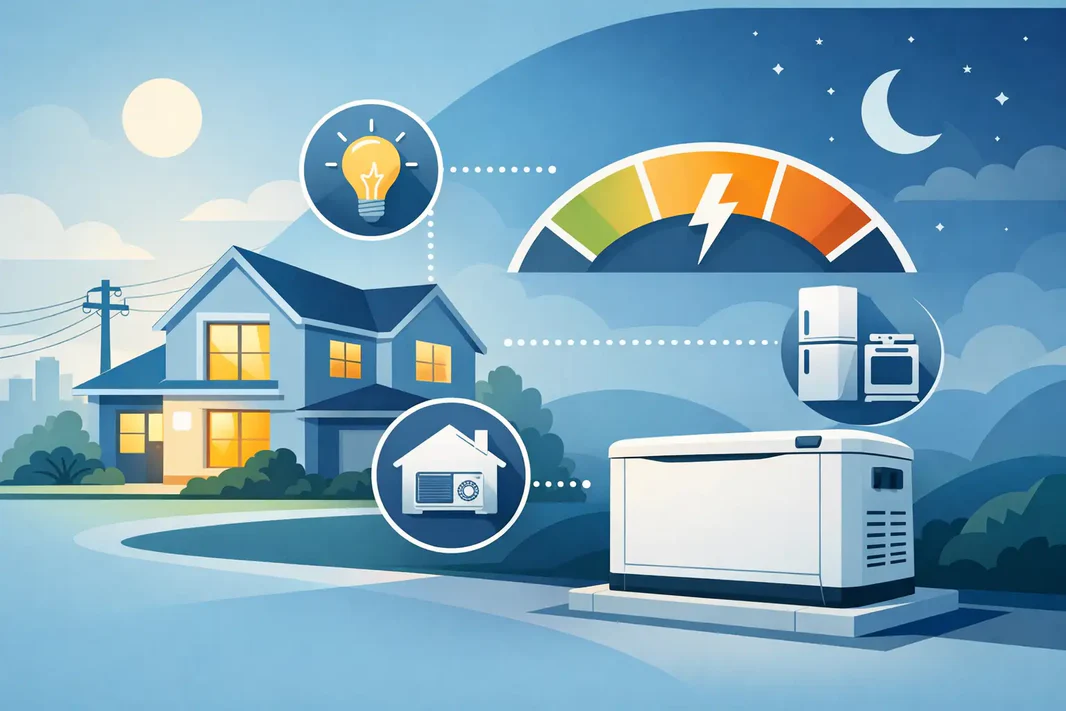
A generator that is too small will trip, stall, or force you to choose between the refrigerator and the well pump. A generator that is too large will cost more upfront, burn more fuel than necessary, and take up more space. If you’re wondering how to size home generator power correctly, the goal is simple: match the generator to the loads you actually need during an outage.
What sizing a home generator really means
Generator sizing is not about matching your home’s square footage. It is about matching electrical demand. Two homes with the same floor plan can need very different backup power depending on whether they use natural gas heat or electric resistance heat, whether they have a sump pump, and whether they want whole-home coverage or just the essentials.
The first decision is whether you want backup for comfort, survival, or business continuity. If your goal is to keep food cold, lights on, phones charged, and a few outlets working, your wattage needs may stay relatively modest. If you also want central air, an electric water heater, laundry equipment, or a large workshop circuit, the number climbs fast.
That is why the right starting point is not the generator catalog. It is your outage plan.
How to size home generator needs by priority
Start by dividing your appliances and circuits into two groups: must-run loads and nice-to-have loads. This is where most people either overspend or underestimate.
Must-run loads usually include the refrigerator, freezer, some lighting, internet equipment, phone chargers, a microwave, and any critical health or safety equipment. Depending on your home, that list may also include a sump pump, well pump, garage door opener, or furnace blower.
Nice-to-have loads include central AC, electric range, electric dryer, hot tub, and other high-draw equipment that is convenient but not always necessary during an outage.
If you are shopping for a portable generator, focus first on the must-run side. Portable units are often the best fit for homeowners who want dependable backup for core circuits without stepping into full standby pricing. If you are shopping for a standby generator, you may be aiming for broader coverage, but the same logic still applies. Only size for what you truly expect to run.
Running watts vs starting watts
This is the part that causes sizing mistakes.
Most appliances use one level of power while running and a higher burst of power when starting. Motors are the usual reason. Refrigerators, freezers, pumps, and air conditioners can all pull significantly more wattage for a few seconds at startup than they need once operating.
Your generator has to handle both. If it only covers running watts, the unit may bog down or trip when a motor kicks on.
As a practical example, a refrigerator may run at 700 watts but need 2,000 or more starting watts for a brief moment. A sump pump may run around 800 to 1,000 watts but start much higher. Central AC is often the biggest wildcard because startup demand can be substantial, especially on older systems.
When you calculate your total, add all running watts for the loads you expect to operate together. Then add the highest starting watt requirement among the motor-driven appliances that may start at the same time. In some cases, you may need to account for more than one startup event, but for many homes, planning around the single largest startup load is a solid baseline.
A simple way to calculate generator size
If you want a realistic estimate, walk through your home and write down the equipment you plan to power. Use the appliance label, owner’s manual, breaker information, or listed wattage where available. If a label shows amps and volts instead of watts, multiply amps by volts to get watts.
For example, if a device is rated at 8 amps on a 120-volt circuit, that equals 960 watts. On a 240-volt circuit, 8 amps equals 1,920 watts.
Once you have your list, total the running watts for everything you want on at once. Then identify which items have motors and note their startup watts. Add your total running watts to the largest startup requirement, and give yourself some breathing room beyond that number. A margin of 10 to 20 percent helps account for real-world variation and future additions.
That buffer matters. A generator that operates at its ceiling all the time is less comfortable to live with and less forgiving when demand spikes.
Typical wattage ranges for common home loads
Exact numbers vary by model, age, and efficiency, but rough ranges are useful for planning.
A refrigerator often runs between 600 and 800 watts, with a higher startup surge. A freezer can land in a similar range. A gas furnace typically needs electricity for the blower and controls, often around 600 to 1,200 watts. A sump pump may run around 800 to 1,500 watts with a higher surge. A well pump may require 1,000 watts or much more depending on size and depth. Microwave ovens commonly use 1,000 to 1,500 watts. Window AC units vary widely, while central air can demand several thousand watts running and considerably more at startup.
Electric water heaters, dryers, and ranges are usually the loads that push buyers into much larger generator sizes. If your outage plan includes those, expect your equipment options and budget to change quickly.
Portable, standby, inverter, battery, or solar-ready
Sizing is only half the decision. The power source and generator type shape what works best.
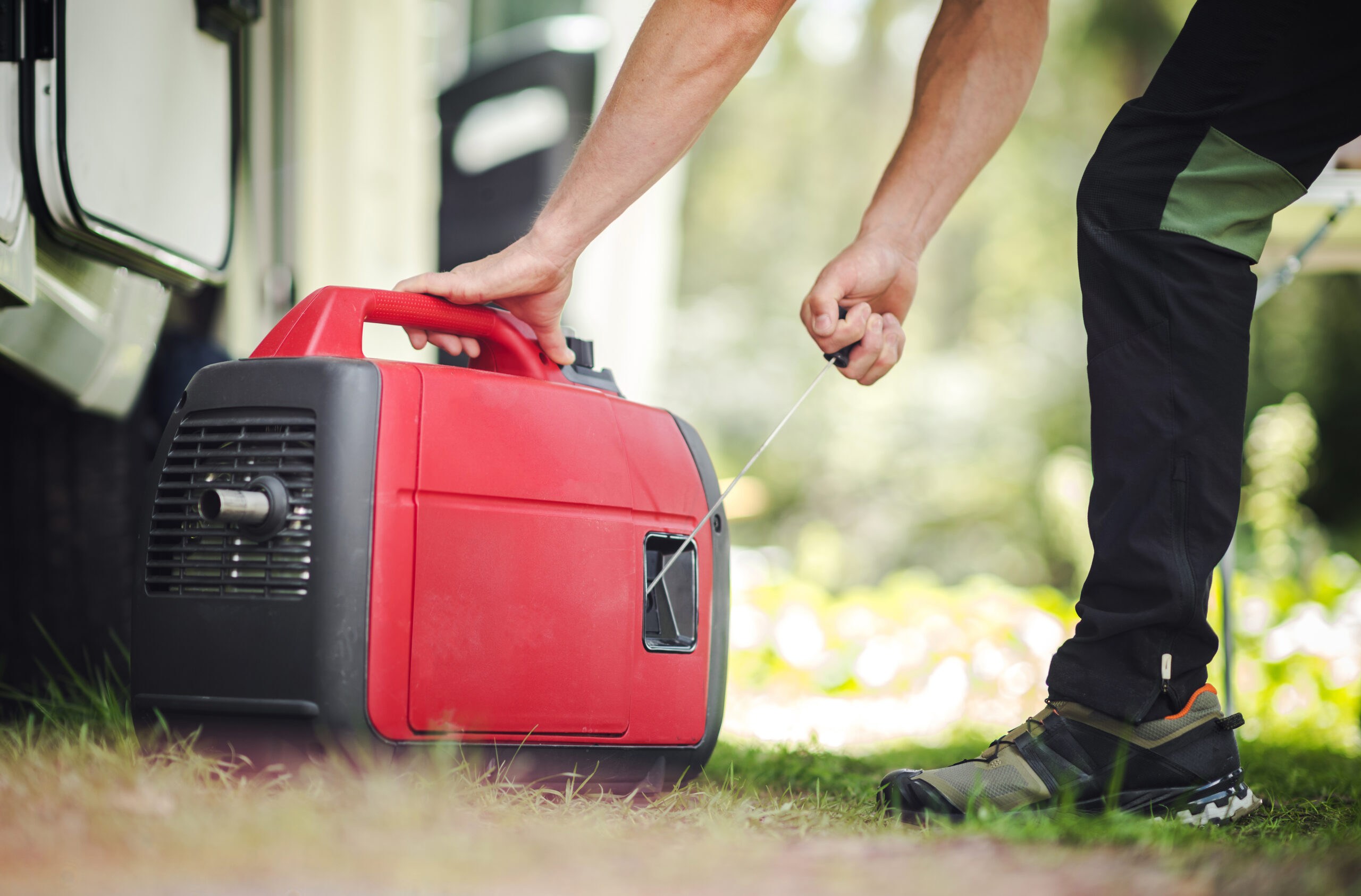
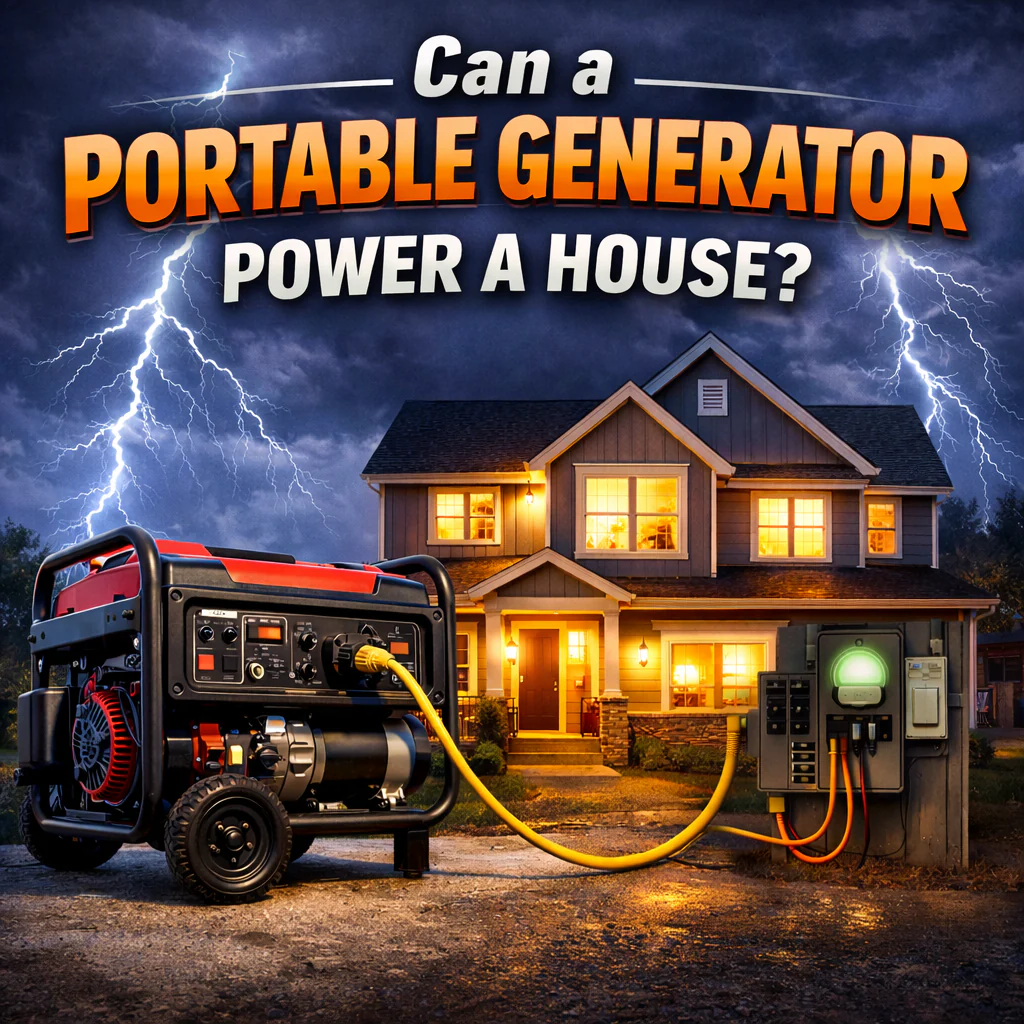
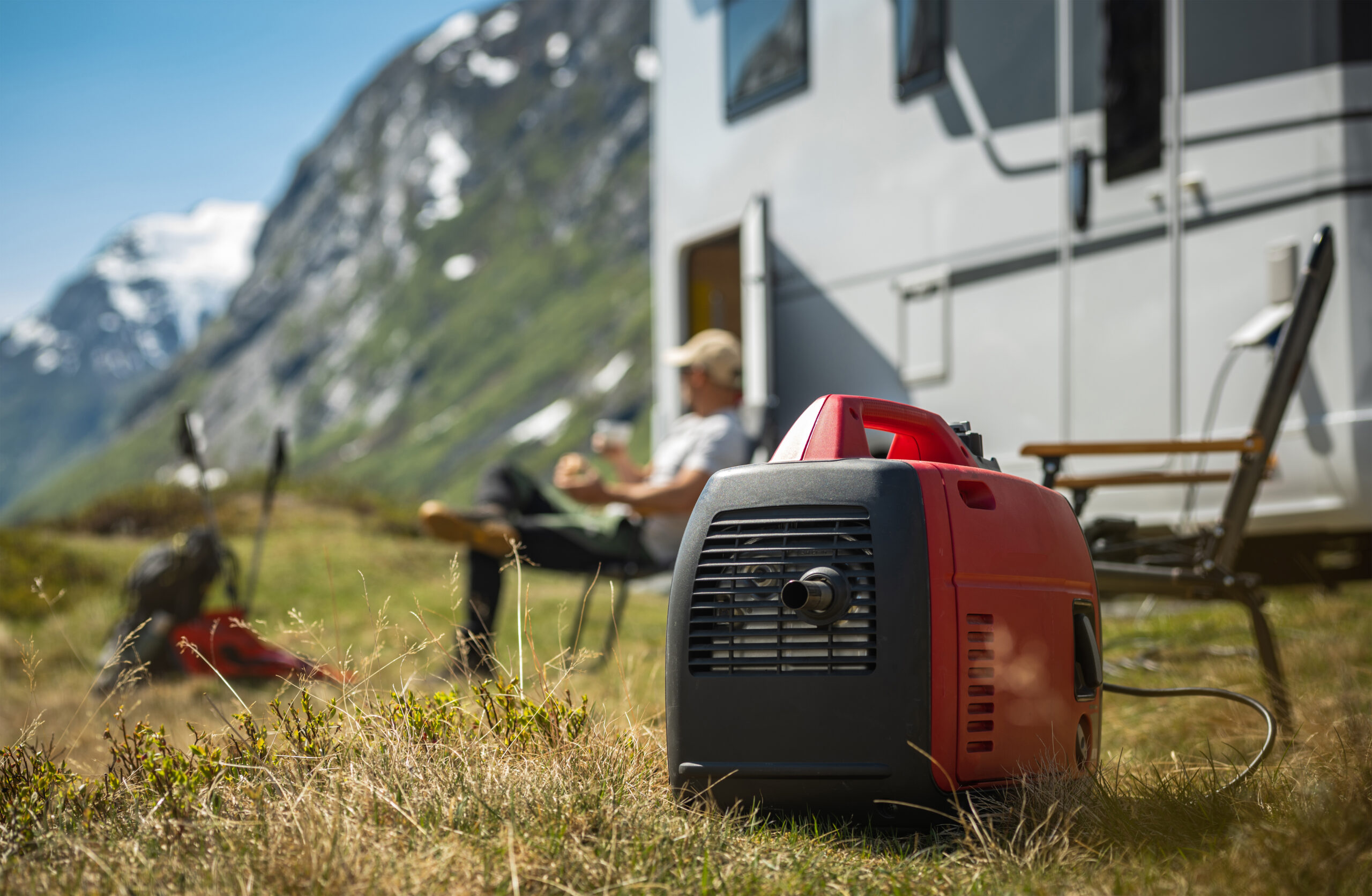
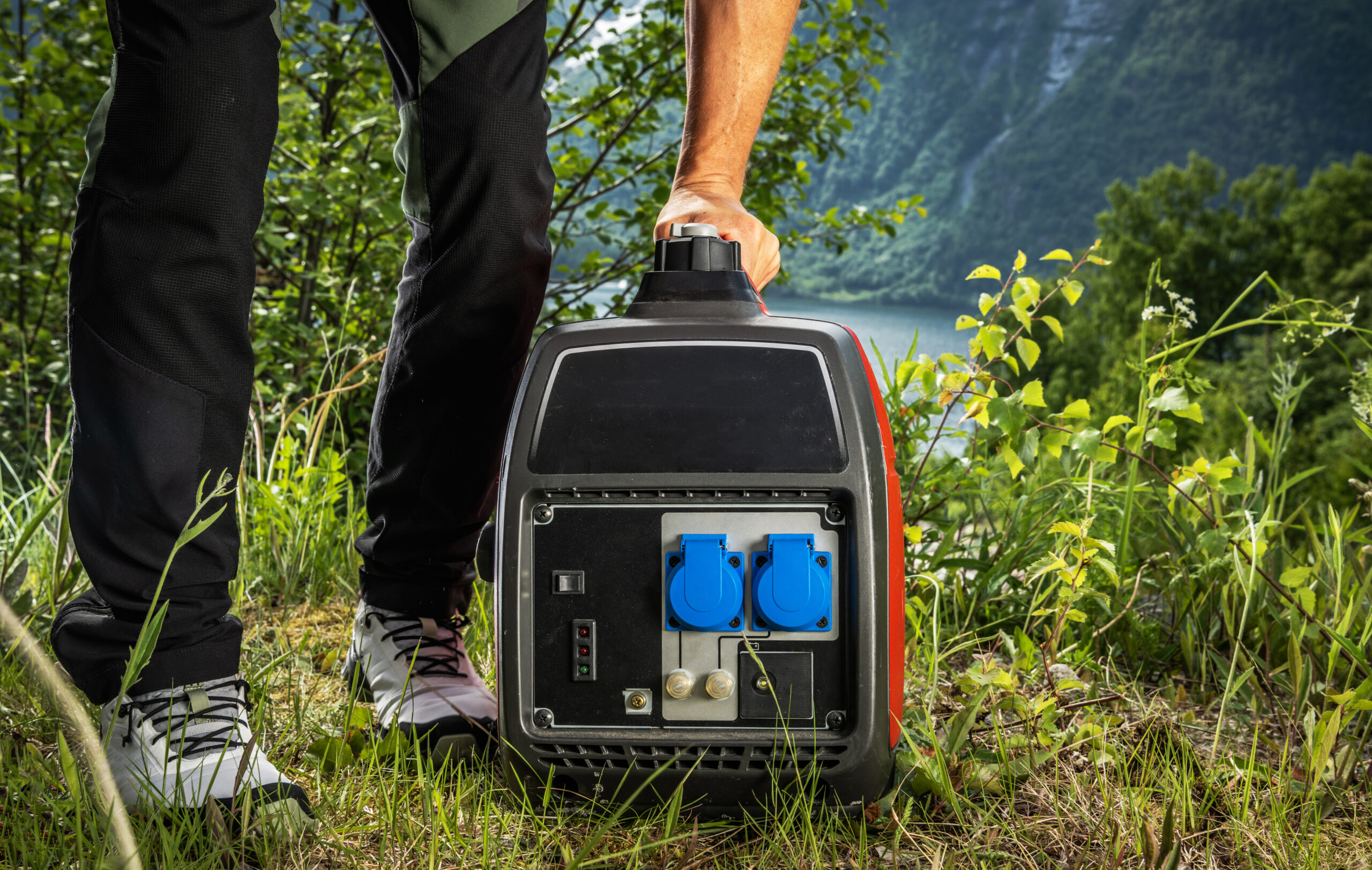
Portable generators are often the value choice for essential backup. They can run key appliances and selected circuits when paired with a transfer switch or interlock setup. They do require fuel management and manual setup, but they are a practical fit for many homeowners.
Standby generators are built for automatic backup and broader home coverage. They are the easiest to live with during an outage, but they involve a larger investment and professional installation.
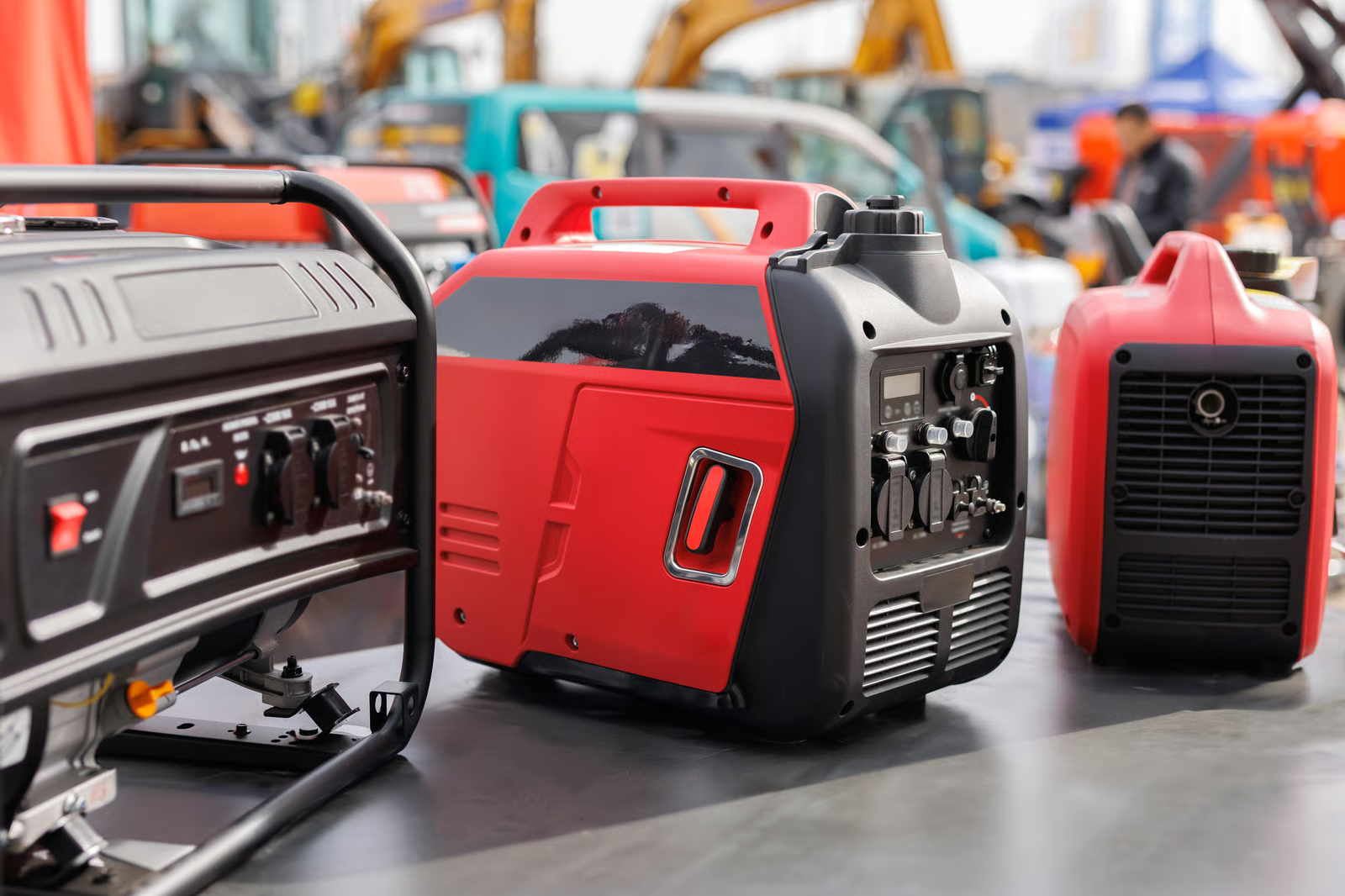
Inverter generators are especially useful when quieter operation, cleaner power, and portability matter. They are a strong option for lighter home backup loads, outdoor use, and sensitive electronics.
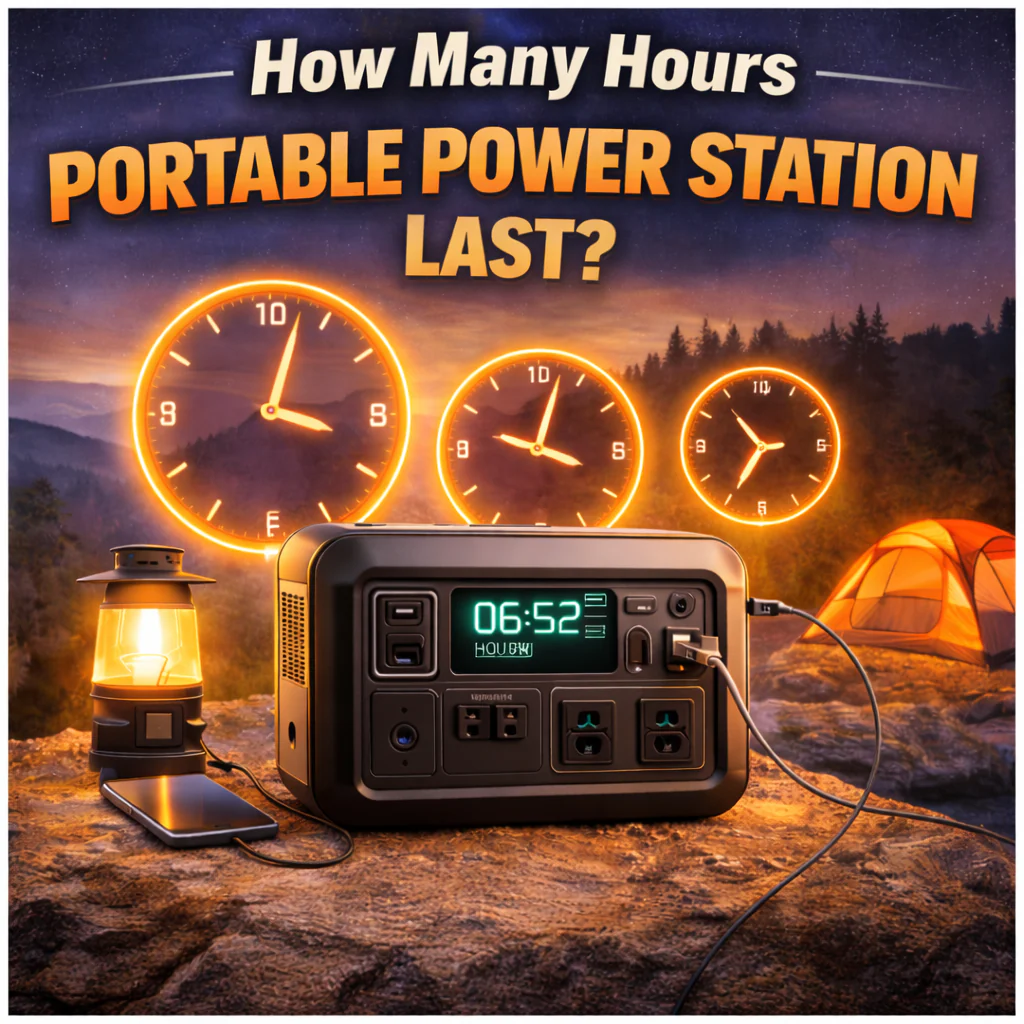
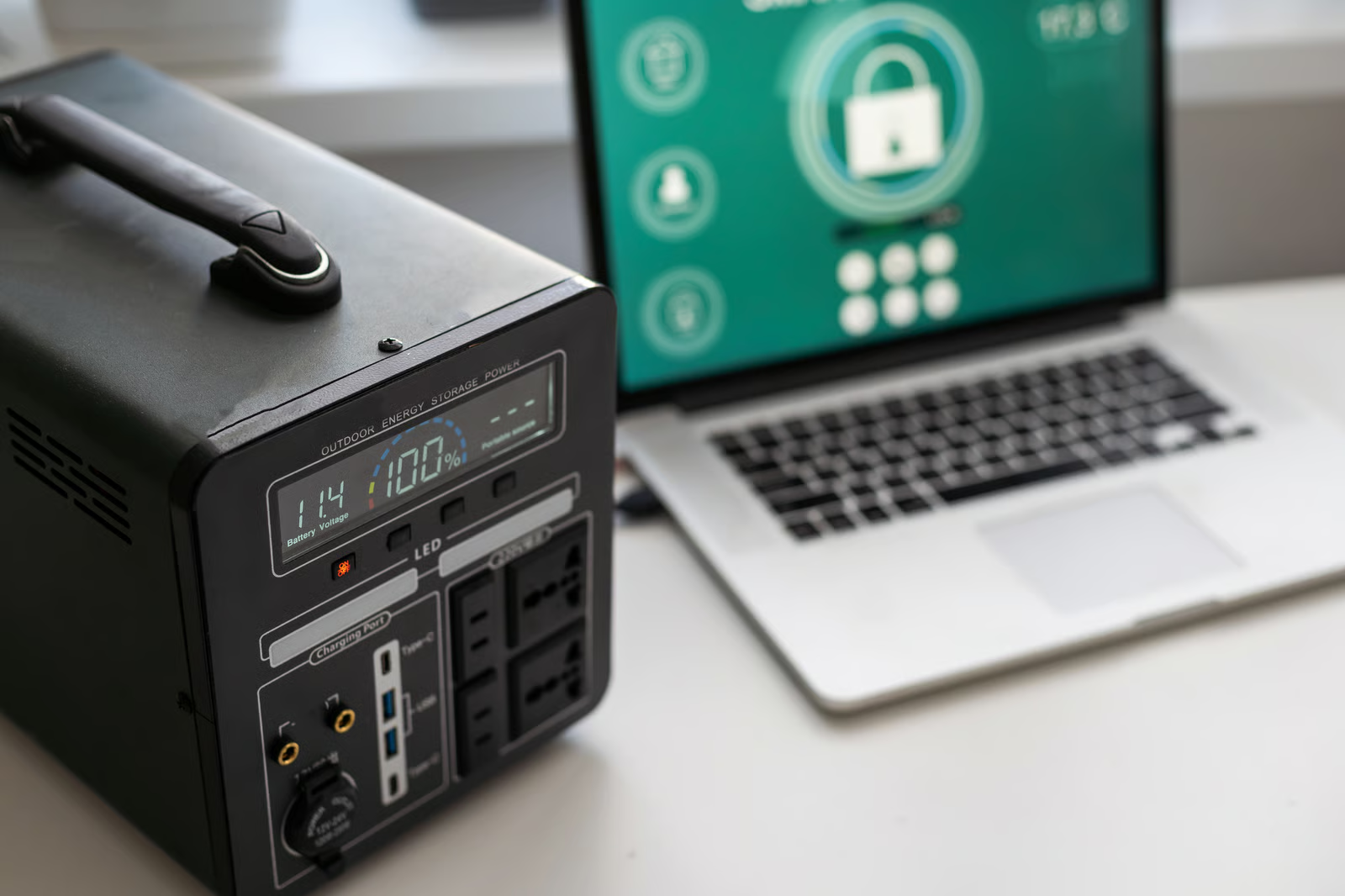
Battery backup systems and portable power stations are worth considering when silence, indoor-safe operation, or solar charging matter more than long runtime on heavy loads. They are excellent for electronics, lights, communications, and some appliances, but they are not always the best fit for high-draw heating or large motor loads unless you size up substantially.
That mix is why many shoppers compare fuel-based units alongside solar and battery options before they buy. The right answer depends on how long your outages last, what you need to run, and how much hands-on operation you are comfortable with.
Common sizing mistakes to avoid
The biggest mistake is trying to back up everything without doing the math. Most homes have at least a few loads that are simply not worth sizing around for occasional outages.
Another common mistake is forgetting 240-volt loads. Well pumps, electric dryers, and central air often need 240-volt capability, not just enough wattage. A generator can look large enough on paper and still be the wrong fit if it cannot support the voltage and outlet configuration you need.
Fuel assumptions also matter. A larger unit may solve the wattage problem but create a runtime problem if you cannot store enough gasoline or propane. With standby systems, fuel source and delivery become part of the sizing conversation too.
Noise and placement deserve attention as well. Some buyers size up aggressively, then realize the generator footprint, sound level, or enclosure requirements are more than they expected.
When it makes sense to size for essentials only
For a lot of homeowners, essentials-only backup is the sweet spot. It keeps the refrigerator cold, preserves food, powers lights and communications, supports heating systems that need an electric blower, and handles a few key outlets. That covers the outage problems people care about most without forcing them into a much larger system.
If that sounds like your situation, it often makes sense to pick a generator that handles your must-run list comfortably and then manage the rest by rotation. For example, you may choose between the microwave and a small window AC at different times rather than run both continuously.
That kind of load management can save a meaningful amount of money while still delivering dependable backup.
If you’re between two sizes, which way should you go?
Usually, go slightly bigger, not dramatically bigger.
A small step up gives you room for startup surges, changing needs, and less stressful operation. A huge jump can mean paying more for capacity you rarely use. It may also mean more fuel use, more weight, and a less efficient setup for your actual outage plan.
If you are comparing options and want a broader mix of generator, battery, and solar-ready backup solutions, GenVault carries products across those categories at https://www.generatorvault.com. The best fit is the one that powers your real priorities without adding cost you do not need.
A good generator size should feel boring in the best way. When the power goes out, it should just cover the loads you planned for and let the rest of the house wait until the grid comes back.