
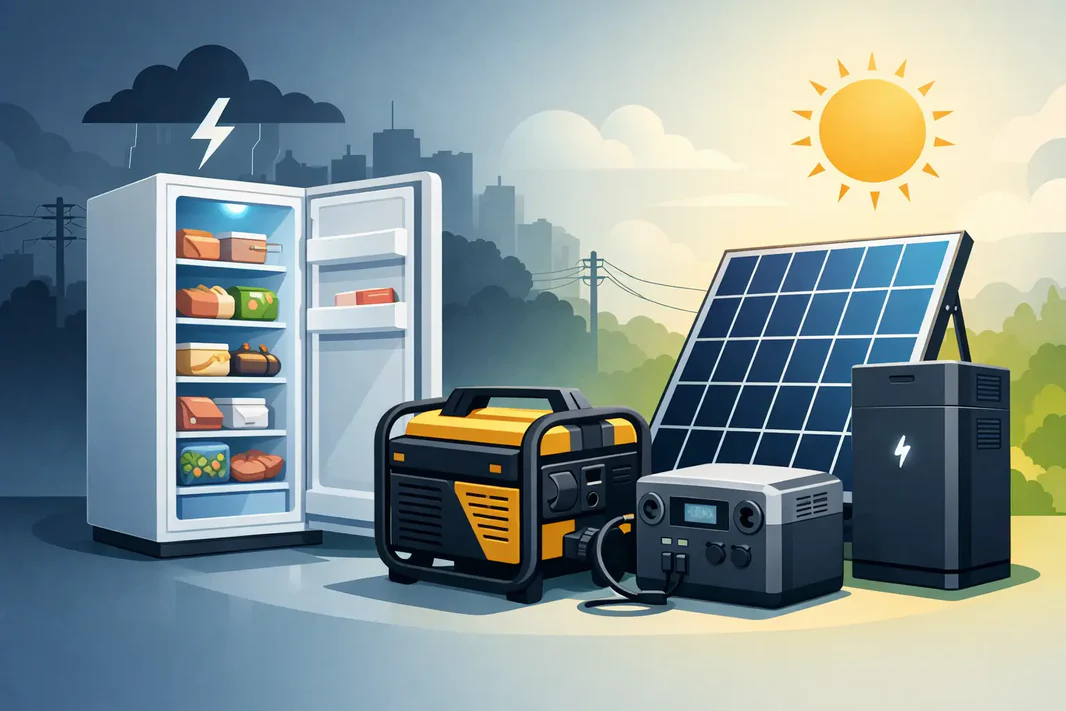
A freezer full of meat, meal prep, or breast milk can turn into a costly problem fast when the power goes out. That is why emergency power for freezers is less about convenience and more about protecting food, money, and peace of mind.
The good news is that most freezers are not especially hard to back up once you understand how they use power. The better news is that you do not always need a whole-home system to keep one running. What you do need is the right type of backup power, enough starting capacity, and a realistic plan for outage length.
Why emergency power for freezers matters
A closed freezer can usually hold a safe temperature for a while, but that window is limited. In many cases, a full freezer stays cold longer than a half-full one, and opening the door repeatedly shortens your margin. If an outage lasts more than a few hours, backup power starts to matter a lot.
Freezers also store high-value food. Replacing bulk groceries, frozen meats, specialty items, or medical supplies can cost far more than most people expect. If outages are common in your area, or if you live where storms, wildfire shutoffs, or grid instability are part of the picture, backup power becomes a practical purchase, not a luxury.
How much power does a freezer need?
This is where many buyers either overspend or choose a unit that is too small. A typical upright or chest freezer may only use a modest amount of running power, but the compressor needs extra wattage at startup. That startup surge is what trips up undersized backup systems.
Many freezers run somewhere around 100 to 400 watts once operating, but startup can jump much higher for a few seconds. The exact number depends on freezer size, age, efficiency, and compressor design. A newer Energy Star unit may be easier to support than an older model that draws more power and cycles less efficiently.
The simplest way to size backup power is to check the appliance label or owner’s manual for watts or amps. If only amps are listed, multiply amps by volts to estimate watts. For a standard US freezer on 120V power, a 5-amp draw would equal about 600 watts. You also want headroom for startup, so choosing a backup solution with more surge capacity than the label suggests is the safer move.
Your main backup options
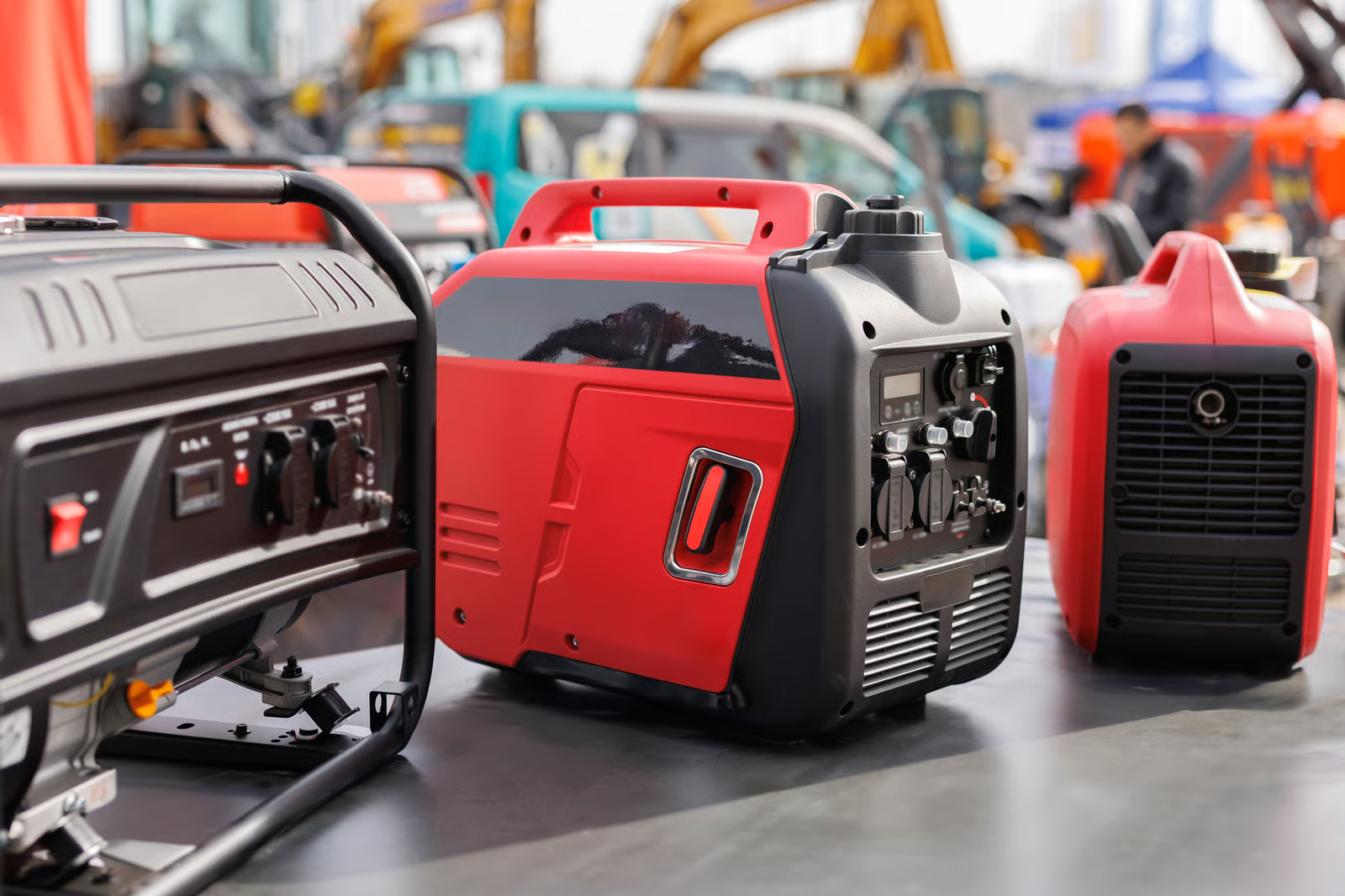
For most households, the best answer comes down to three categories: portable generators, portable power stations, and larger battery-backed systems. Each can work well, but they solve different problems.
Portable generators
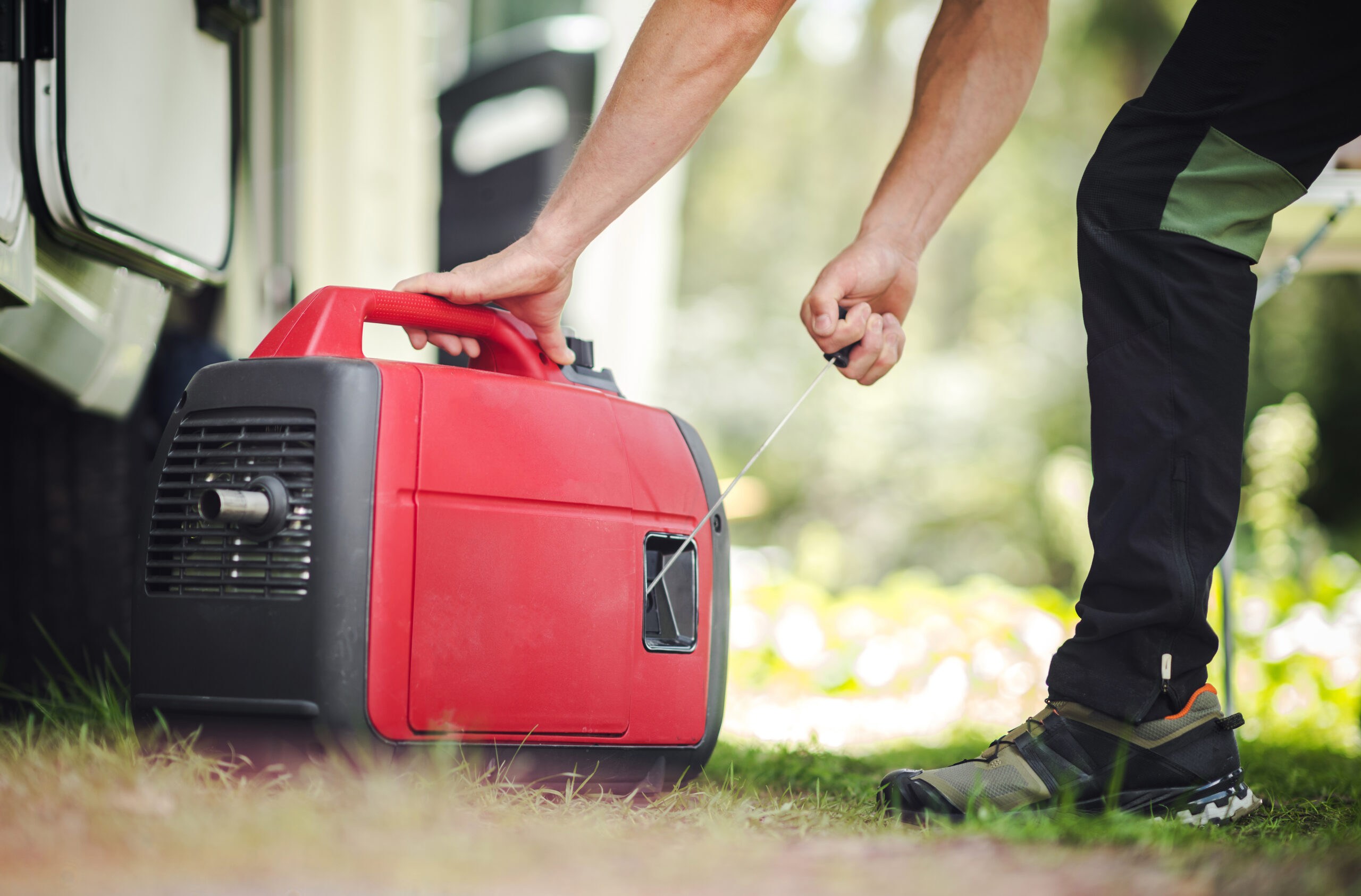
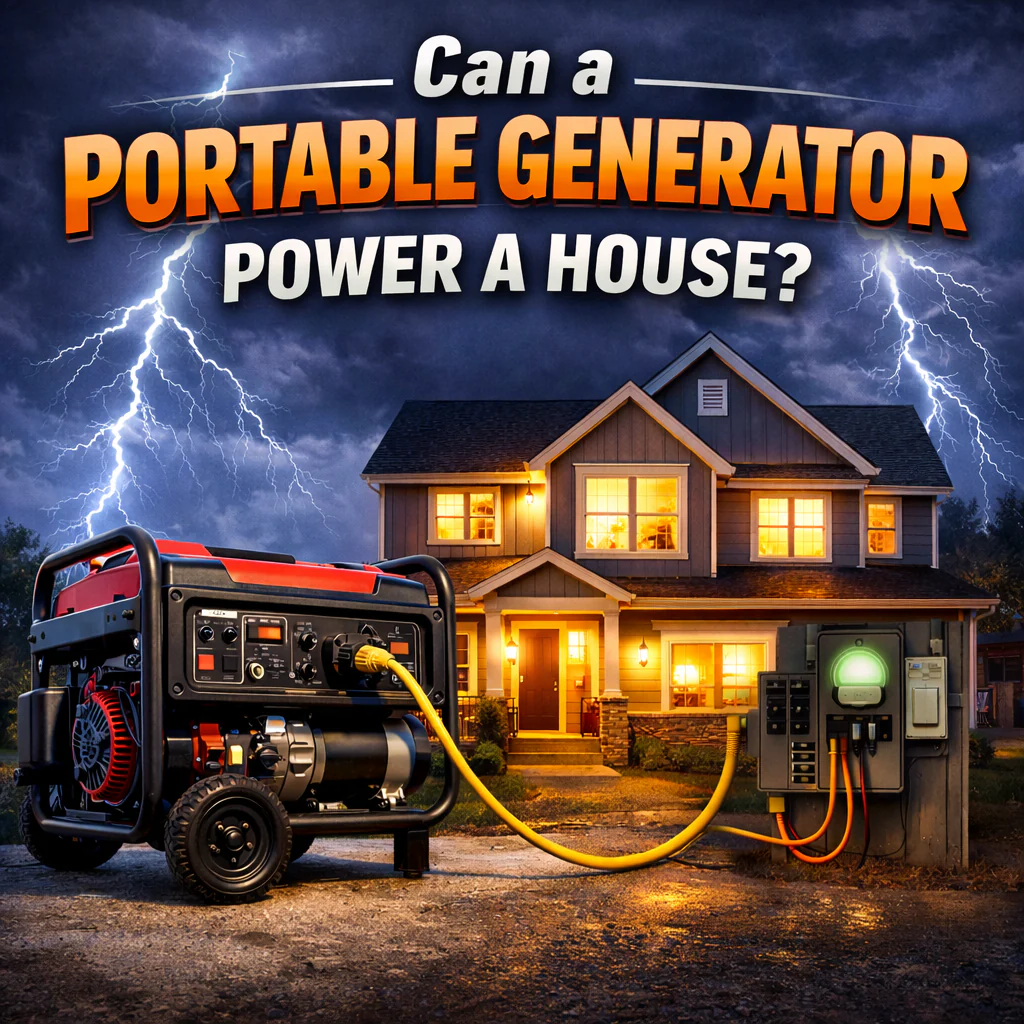
If your main goal is dependable runtime during longer outages, a portable generator is often the most practical option. Gasoline, propane, or dual-fuel generators can run for many hours as long as you have fuel on hand, and they usually offer enough surge power to start a freezer without drama.
This is often the strongest value choice for homeowners who want to protect a freezer, refrigerator, a few lights, and maybe a microwave or sump pump at the same time. The trade-off is obvious: generators need fuel, outdoor placement, and regular maintenance. They also create noise, which may matter in dense neighborhoods or overnight use.
Inverter generators
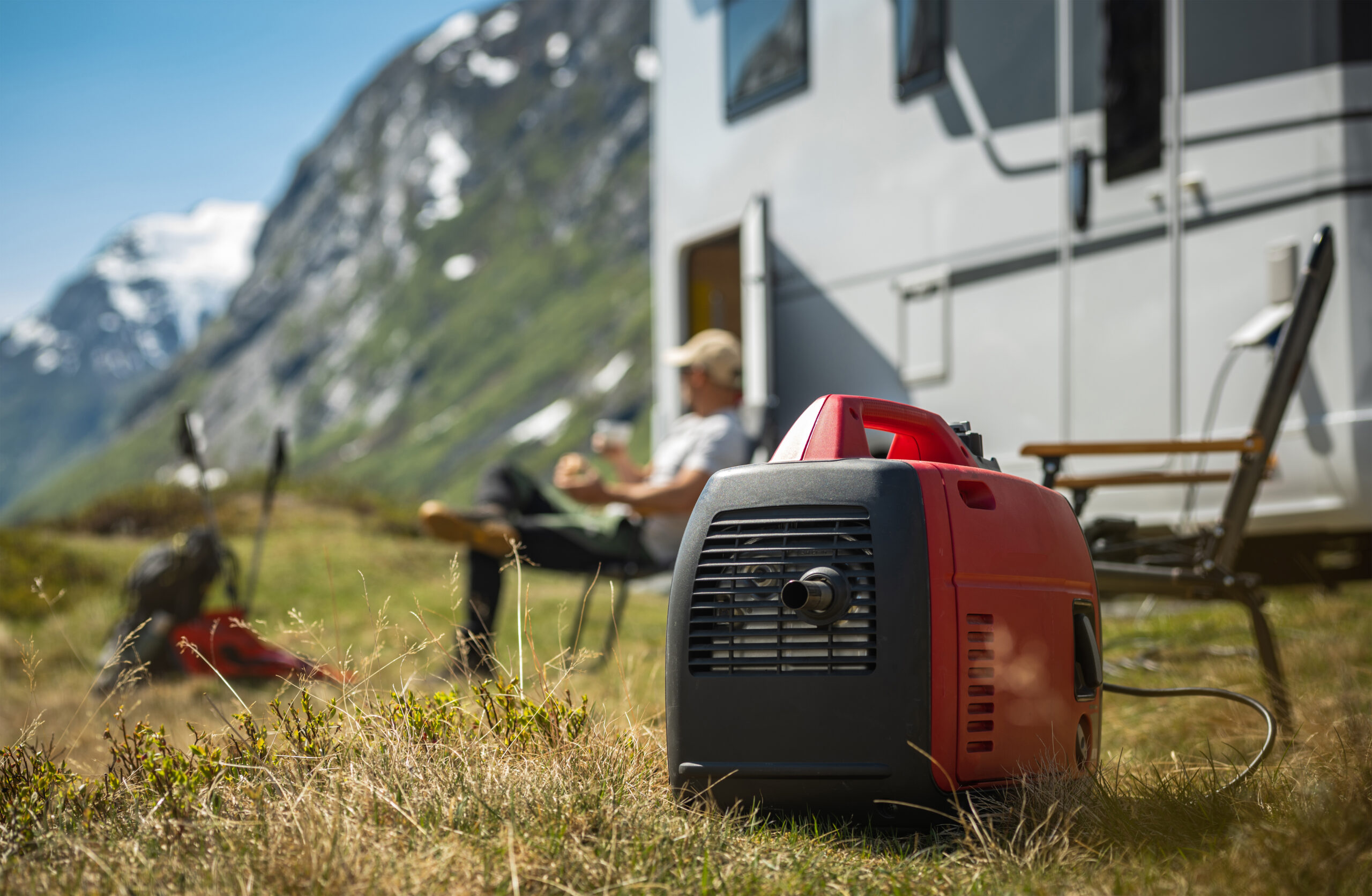
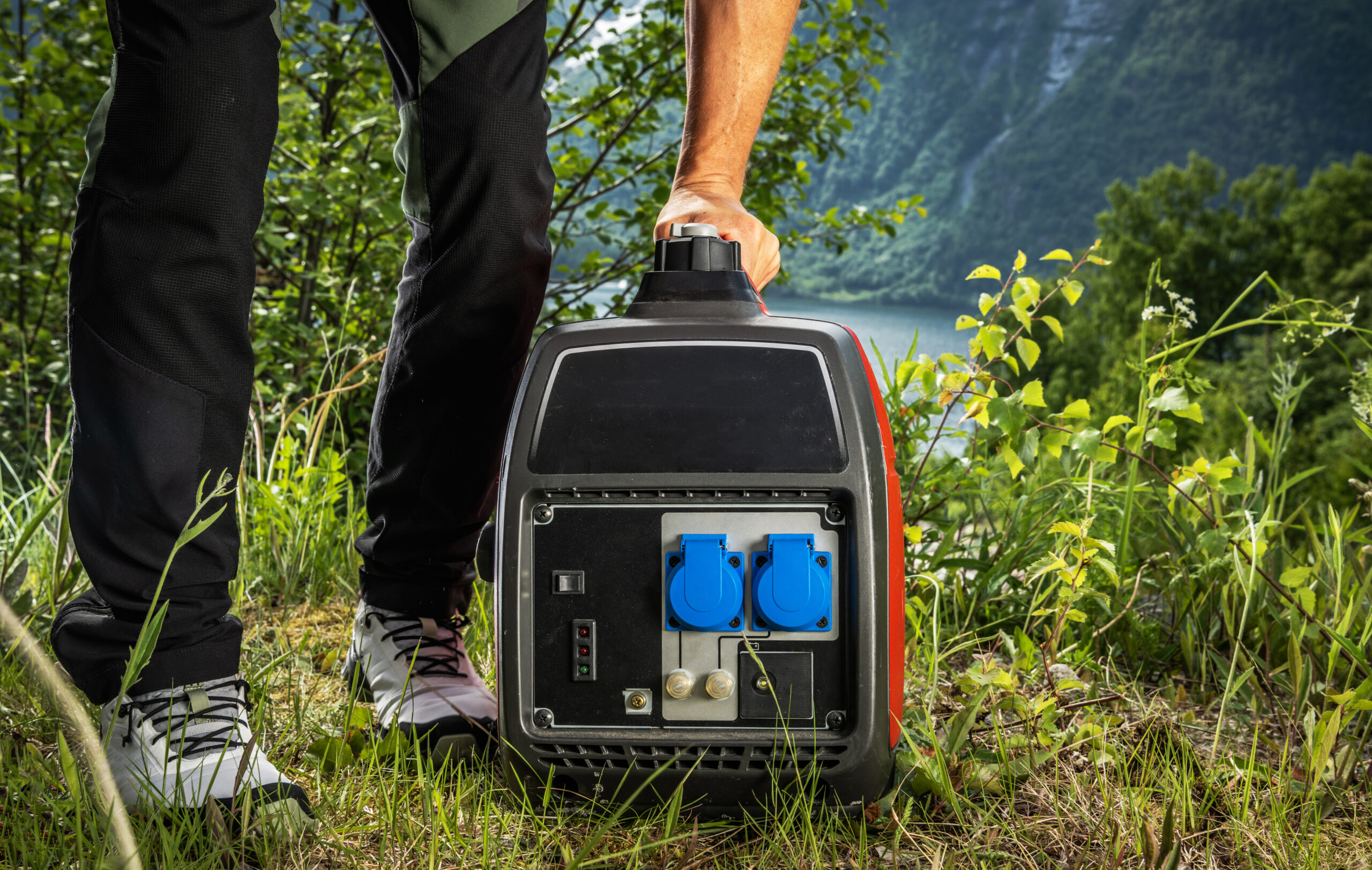
Inverter generators are a subtype worth calling out because they are quieter and more fuel-efficient than many conventional portable generators. They are especially appealing if you want cleaner power, easier portability, and less noise during overnight operation.
For one freezer and a few small essentials, an inverter generator can be a smart fit. The main limitation is capacity. Some smaller inverter models are excellent for a compact freezer but may not leave much room for additional loads.
Portable power stations
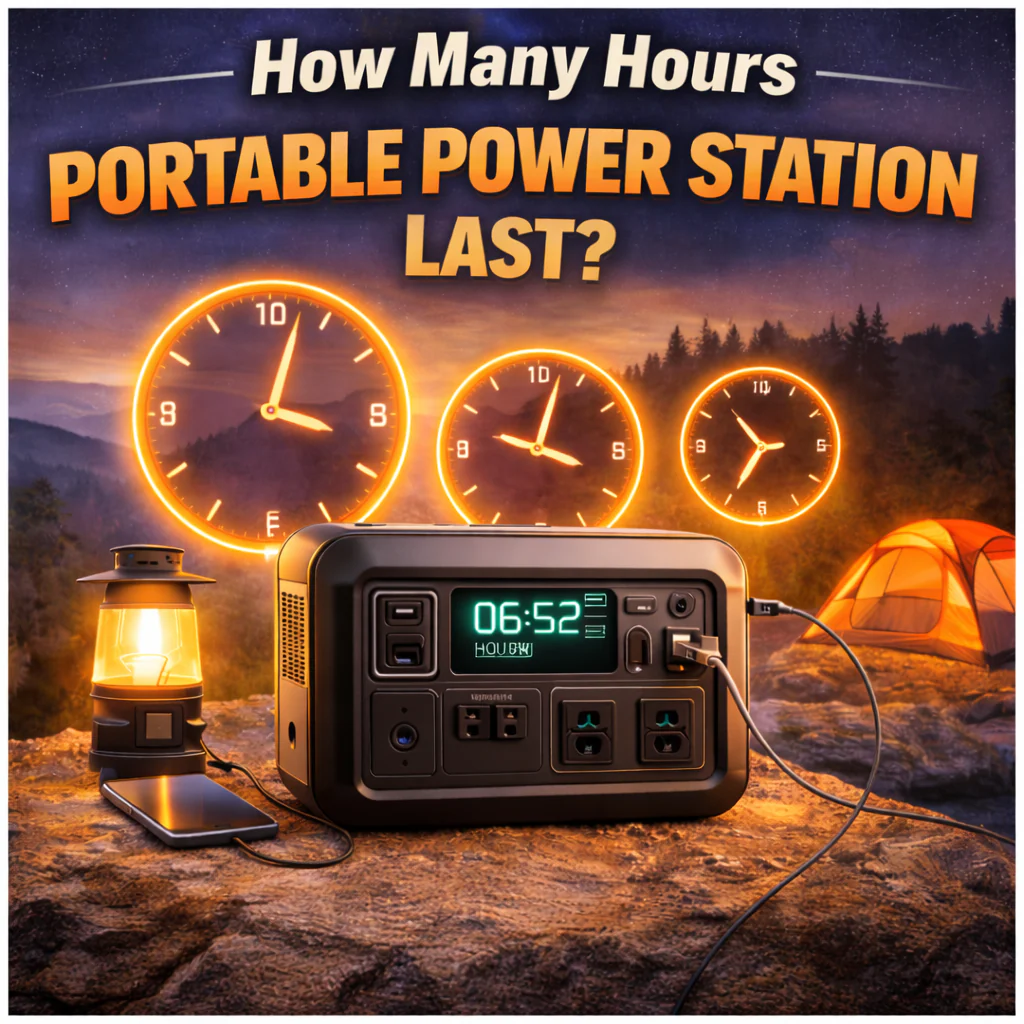
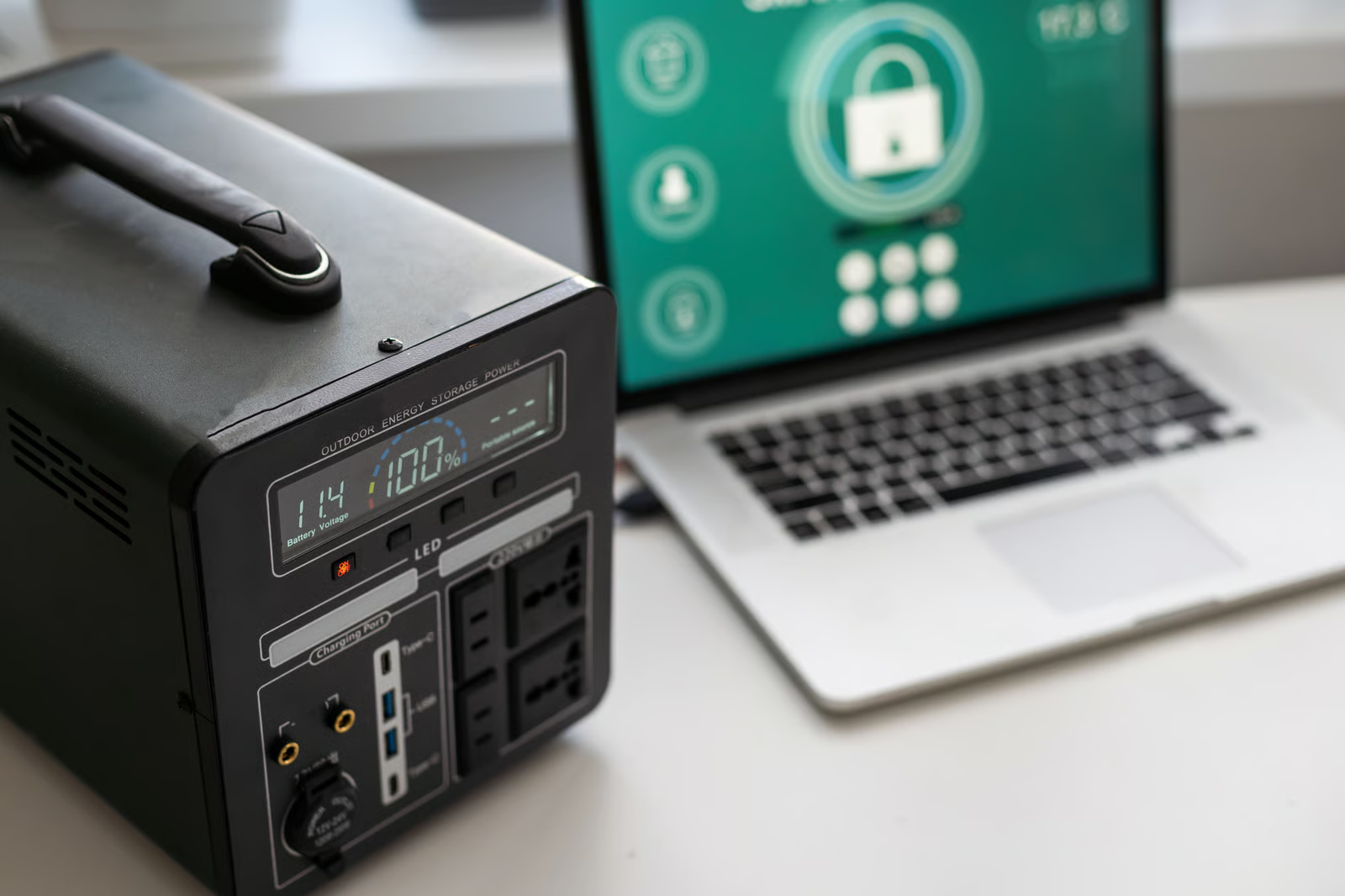
A portable power station is a good match if you want silent indoor-friendly backup with simple operation. There is no fuel storage, no exhaust, and no engine maintenance. For short outages, that convenience is hard to beat.
The catch is runtime. A battery power station can run a freezer, but how long it lasts depends on both the battery capacity and how often the freezer cycles. If the outage stretches through the night or into a second day, a smaller unit may not be enough unless you can recharge it from solar panels, a vehicle, or restored grid power.
Solar-compatible battery systems
If you want a cleaner and quieter setup for recurring outages, battery backup paired with solar can make a lot of sense. This approach is appealing for off-grid users, preparedness-minded households, and anyone who wants less dependence on fuel.
Still, solar is not magic during storm season. Cloud cover, short winter days, and panel placement all affect charging performance. For freezer backup, solar works best when paired with enough battery storage to carry overnight loads and poor weather gaps.
What size system should you buy?
If you are backing up just one freezer, the safest starting point is to choose a power source that comfortably handles compressor startup and gives you more runtime than you think you need. A narrow, minimum-spec setup may work in ideal conditions and fail when temperatures rise, the compressor works harder, or the unit cycles more often.
For generator shoppers, that usually means buying for surge capacity first and then thinking about what else you may want to run during an outage. Very few people stop at the freezer once the lights go out. It is common to add a refrigerator, phone chargers, internet equipment, or a fan.
For battery shoppers, capacity matters just as much as output. A unit with enough inverter power to start the freezer still needs enough stored energy to keep it running for the duration you care about. If your outages are typically two to four hours, a compact power station may be enough. If they regularly last overnight or longer, you will likely want a larger battery or a generator-based solution.
Runtime depends on more than the label
Many buyers want one simple number, but freezer runtime is always situational. Ambient temperature matters. So does how full the freezer is, how often the door gets opened, and whether the food was fully frozen when the outage began.
A freezer does not run continuously like a space heater. It cycles on and off. That can work in your favor with a battery system, because real-world energy use over several hours may be lower than the startup wattage suggests. But the opposite can also happen during hot weather, when the compressor cycles more frequently and battery runtime drops.
This is why a little cushion is worth paying for. Backup power is one of those categories where sizing too close can get expensive later.
Setup mistakes to avoid
The biggest mistake is focusing only on running watts and ignoring startup surge. The second is assuming any extension cord will do. For a freezer, use a heavy-duty cord rated for the load and keep it as short as practical.
Another common mistake is unsafe generator use. Portable generators must stay outdoors and away from doors, windows, and vents. Carbon monoxide is a real hazard, not a fine-print warning. If you are using a transfer switch or connecting multiple household circuits, proper installation matters.
Battery users sometimes make the opposite mistake and underestimate recharge needs. If your power station barely gets through one outage cycle, you need a recharge plan that makes sense for your location and weather patterns.
Which backup option is best for your situation?
If your priority is the lowest-cost path to reliable freezer protection during multi-hour or multi-day outages, a portable generator is usually the practical winner. If you want quieter operation and lighter fuel use, an inverter generator is often the better upgrade.
If you live in an apartment, want indoor operation, or only need coverage for short outages, a portable power station may be the cleaner fit. If you are building a broader resilience plan with solar charging and battery storage, then a solar-ready system gives you flexibility, but it needs enough capacity to be more than a partial solution.
That is where product selection matters. A retailer focused on backup power categories, not just one technology, makes it easier to compare trade-offs honestly. GenVault’s mix of generators, power stations, batteries, inverters, and solar-ready options reflects the real answer most buyers need: it depends on your outage risk, your runtime goal, and how much simplicity you want.
A smarter way to shop for emergency power for freezers
Start with your freezer’s label, then decide how long you need backup to last and whether you want to power anything else. From there, the right choice gets clearer. Long outages and larger loads usually point toward generators. Quiet short-term coverage points toward batteries. Hybrid needs often justify a larger battery setup, solar charging, or both.
The best emergency backup plan is the one you will actually use with confidence when the lights go out. If your freezer holds hundreds of dollars of food, the right power solution pays for itself the first time it prevents a total loss.