
A lot of homeowners start with one question after the first long outage: what is a realistic whole house generator cost, and what exactly are you paying for? The short answer is that the generator itself is only part of the bill. The final number depends on power capacity, fuel type, electrical work, site conditions, permits, and whether you want true whole-home backup or just coverage for the essentials.
What whole house generator cost usually includes
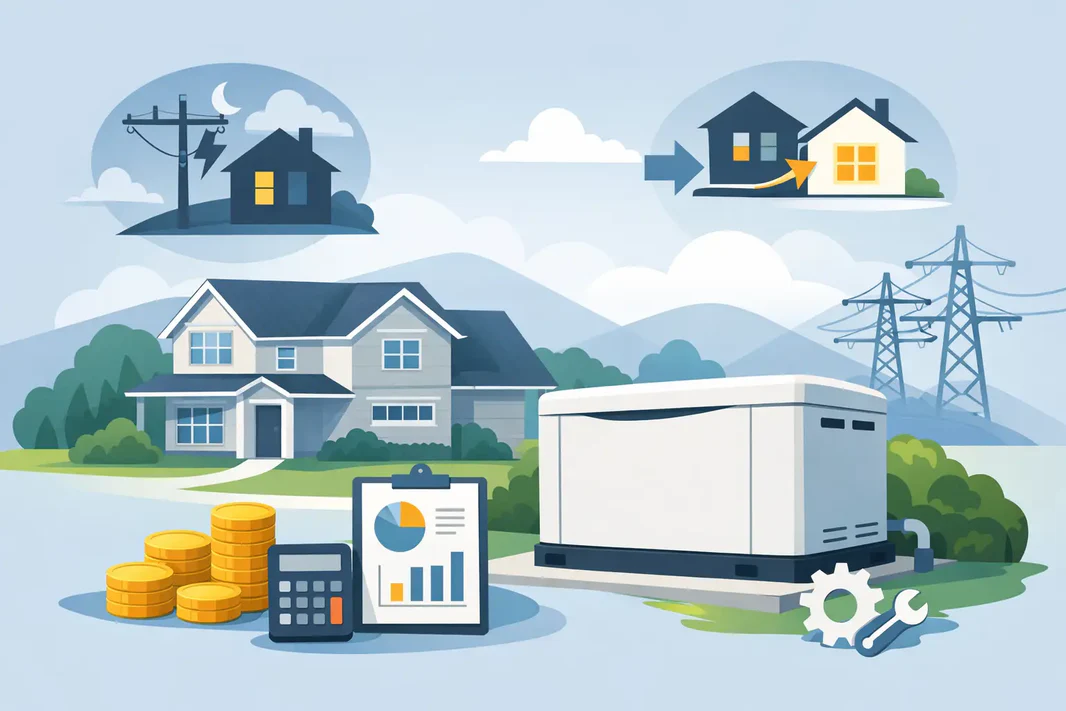
When people hear a price for a standby generator, they often assume that is the all-in number. Usually, it is not. A whole house generator cost estimate has two major parts: the equipment and the installation.
The equipment side includes the generator unit itself and, in most cases, an automatic transfer switch. That switch is what detects an outage and transfers your home from utility power to generator power without you going outside to start anything manually. For homeowners looking for convenience and near-immediate backup, that feature is a big part of the appeal.
Installation is where the range gets wider. Labor, electrical panel work, gas plumbing, concrete or composite pad prep, permits, inspections, and delivery can all affect the total. If your home needs a service upgrade or a longer gas line run, the price can move fast.
In many cases, homeowners spend roughly $7,000 to $20,000 or more for a professionally installed standby system. Smaller systems for essential circuits can come in lower, while larger units designed to carry bigger homes, multiple HVAC systems, or all-electric loads can run much higher.
Average whole house generator cost by size
Generator size is one of the biggest cost drivers because it affects both equipment pricing and installation complexity. A smaller standby unit may be enough if your goal is to keep refrigeration, lighting, internet, a sump pump, and a few outlets running. A larger unit is built for central air, electric water heating, well pumps, electric ranges, or broader whole-home coverage.
Smaller standby systems
In the lower range, homeowners may look at systems around 10kW to 14kW. These are often used for smaller homes or essential-load backup. Equipment pricing may start in the low thousands, but installed cost typically lands much higher once transfer switch work, fuel connection, and labor are included.
Mid-range whole-home systems
A common range for many homes is around 18kW to 22kW. This is where a lot of homeowners land when they want solid coverage without paying for a system sized for every load at once. Installed pricing often falls somewhere in the low five figures, depending on local labor rates and the complexity of the job.
Larger systems for higher-demand homes
Once you move into 24kW and up, costs usually climb because the equipment is more expensive and the home often has heavier electrical demands. Larger houses, homes with multiple air conditioners, and properties with workshops or well systems can push installed pricing well beyond $15,000.
That is why the question is not just how big the house is. It is what the house actually runs when the power goes out.
Fuel type changes the price picture
Most whole-house standby generators run on natural gas or propane. Diesel exists in some backup applications, but for residential standby, natural gas and propane are much more common.
Natural gas is often attractive if your home already has gas service. You avoid onsite fuel storage, and the supply can be continuous during an outage as long as the gas utility remains available. That can simplify ownership, but installation still depends on whether the gas line is large enough to support the generator under load.
Propane works well for homes without natural gas access, especially in rural areas. It gives homeowners more independence from utility infrastructure, but you need a propane tank sized for your expected runtime. If you are adding a tank or upgrading an existing one, that raises total project cost.
Fuel availability matters just as much as price. A cheaper generator is not a better value if it cannot be supplied properly when you need it.
Why installation can cost almost as much as the generator
Many buyers focus on the sticker price of the unit and underestimate installation. In reality, installation is often where the project becomes highly specific to your home.
If the generator can be placed close to your electric service and gas source, with easy access and minimal trenching, costs stay more manageable. If the installer needs to run longer conduit, trench across landscaping, relocate utilities, or pour a more involved pad, labor goes up.
Electrical upgrades can also add cost. Older homes may need panel work before a standby system can be connected safely and to code. Some jurisdictions also have stricter permitting and inspection requirements, which can increase both timeline and price.
Noise rules and clearance requirements matter too. Generators cannot just go anywhere. They need proper distance from windows, doors, vents, and property lines, which can affect where the unit sits and how complicated the install becomes.
Whole home backup vs essential circuits
One of the best ways to control whole house generator cost is to be honest about what you need powered during an outage. Some homeowners say they want whole-home backup, but what they actually need is comfort, safety, and food preservation.
If your priority is keeping the refrigerator, freezer, lights, internet, furnace blower, garage door, and a few outlets running, a smaller system may do the job. If you want central AC, electric dryer, oven, water heater, pool equipment, and every circuit live at the same time, you are shopping in a different category.
There is no universal right answer. It depends on your climate, outage frequency, home layout, and tolerance for load management. A Florida homeowner may prioritize air conditioning. A Midwest homeowner may care more about heat, sump pump operation, and frozen pipes. A rural home with a well pump has different needs than a suburban home on city water.
Costs that get missed during budgeting
A standby generator purchase is not just an equipment decision. It is a home infrastructure project. That means there are a few costs buyers sometimes miss when setting a budget.
Permits and inspections can add to the project total, and those fees vary by location. Delivery and crane or access issues may matter if the install site is difficult to reach. Some homes also need landscaping repair after trenching or site work.
Then there is ongoing ownership. Standby generators need maintenance, including oil changes, battery checks, air filter service, and regular exercise cycles. Fuel consumption also matters. A generator that powers a lot of heavy loads will burn more fuel, so runtime cost should be part of the decision.
These are not reasons to avoid backup power. They are reasons to budget with a clear view of the full cost of ownership.
When the higher price makes sense
A whole-house standby system is not the cheapest backup option, but for many homeowners it is the most convenient. If outages are frequent, if anyone in the home depends on powered medical equipment, if you work from home, or if your property has systems that cannot go down for long, the premium can be worth it.
Automatic startup is the real value point for many buyers. You do not need to wheel anything out, refuel in bad weather, or choose what gets plugged in. The system turns on and the house keeps functioning within the limits of the installed capacity.
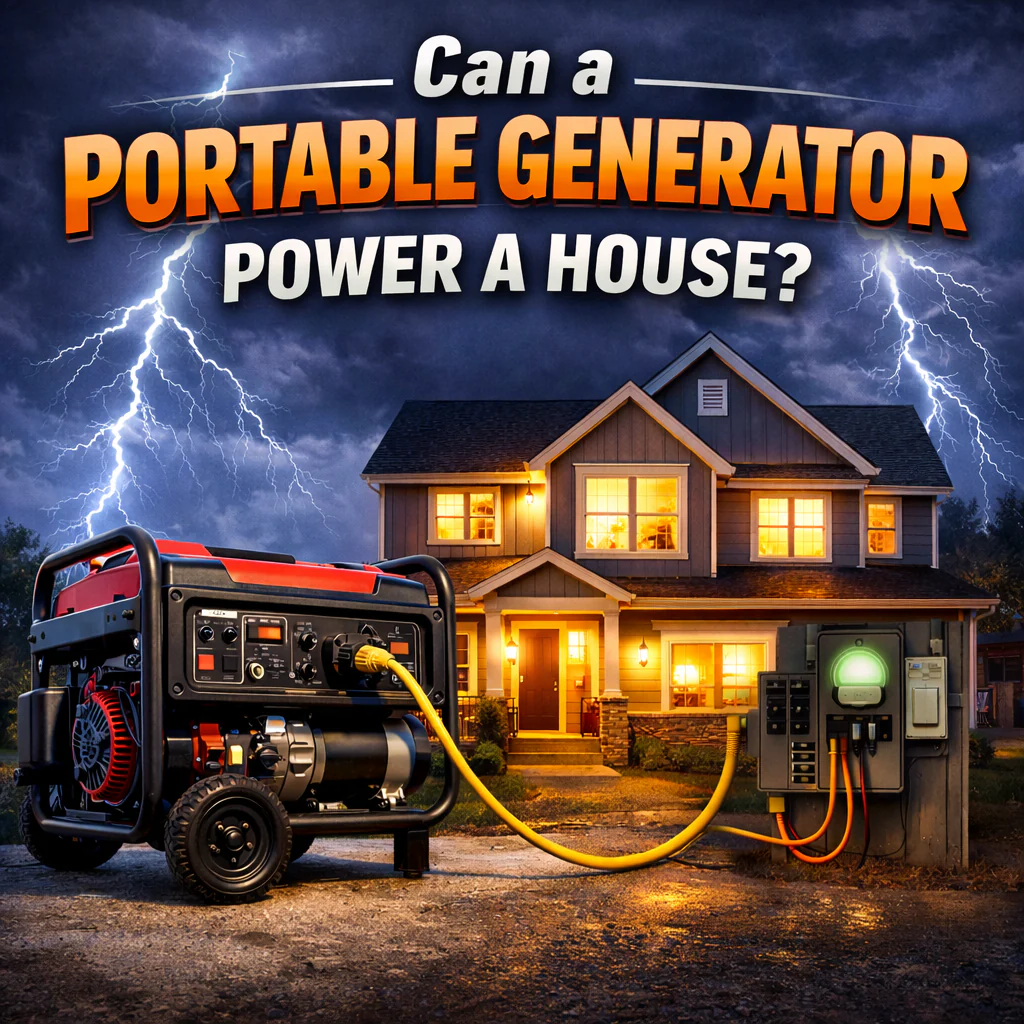
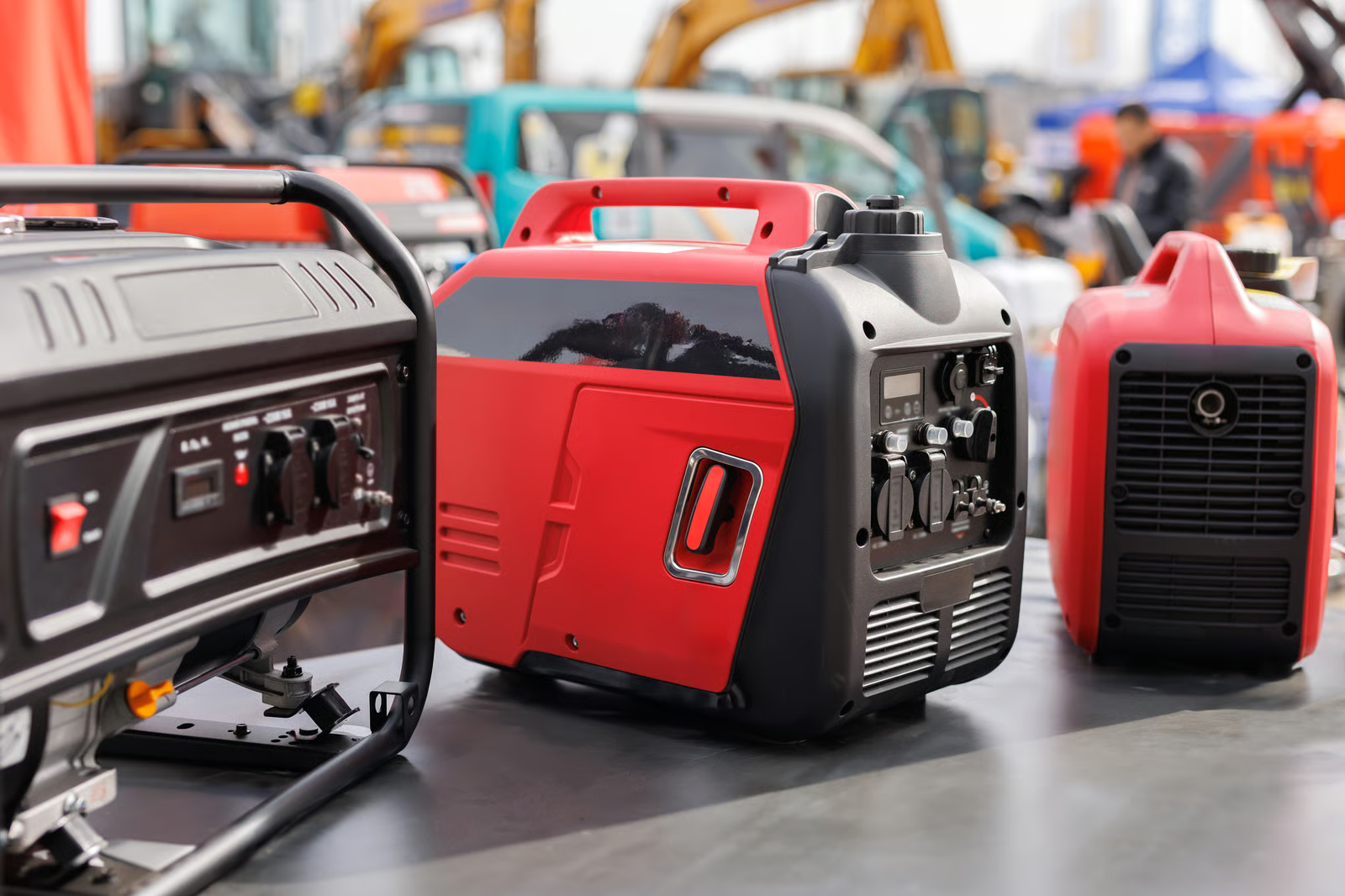
That said, not every home needs a permanent standby unit. Some buyers are better served by a portable generator, a transfer switch setup for selected circuits, or a battery-and-solar backup solution for lighter loads. GenVault serves shoppers across those categories because the right answer depends on budget, usage, and how much automation you want.
How to shop smarter on whole house generator cost
The best way to avoid overpaying is to size the system around your real outage priorities, not your best-case wish list. Start with the loads you cannot reasonably lose. Then look at comfort loads you would like to keep if budget allows.
Ask for a load calculation, not just a guess based on square footage. Two homes with the same footprint can have very different backup requirements depending on HVAC, water heating, cooking, and pump loads. Also ask what is included in the quote. A low advertised unit price means very little if the transfer switch, pad, permits, and gas work are all extra.
It also helps to think beyond purchase day. Financing options can make a larger system more manageable, but only if you are buying the right size in the first place. Paying more for capacity you never use is not smart preparedness.
If you are comparing backup options, focus on what you want the house to do during an outage, how often outages happen in your area, and how hands-off you want the experience to be. That approach usually leads to a better decision than chasing the cheapest number on the page.
A good standby setup is not just about buying power. It is about buying fewer interruptions when the grid stops cooperating.