
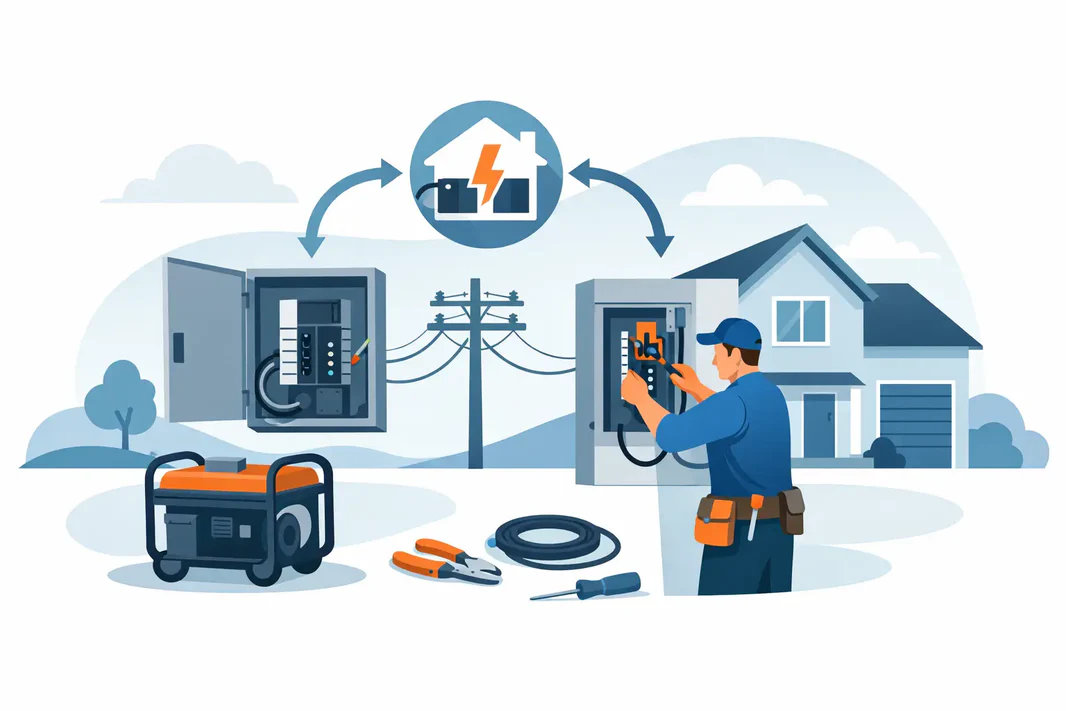
When the power goes out, the weak point in many backup setups is not the generator – it is how that power gets into the house safely. A solid transfer switch installation guide helps you avoid the two problems that matter most: dangerous backfeeding and a backup system that is harder to use than it should be when the lights are already off.
For most homeowners, a transfer switch is the piece that turns a generator from a temporary workaround into a reliable backup plan. It gives you a controlled way to move selected circuits, or your whole service in some cases, from utility power to generator power. That matters for safety, code compliance, and simple peace of mind.
What a transfer switch actually does
A transfer switch isolates your home from the utility grid before generator power is connected. That isolation is the whole point. Without it, electricity can feed backward into utility lines, creating a serious hazard for lineworkers and risking damage to your equipment.
In practical terms, the switch gives your home one power source at a time. Either the utility is feeding the panel, or the generator is. Never both. Some switches are manual, meaning you physically move the load over. Others are automatic and sense an outage, start the standby generator, and transfer the load without you touching anything.
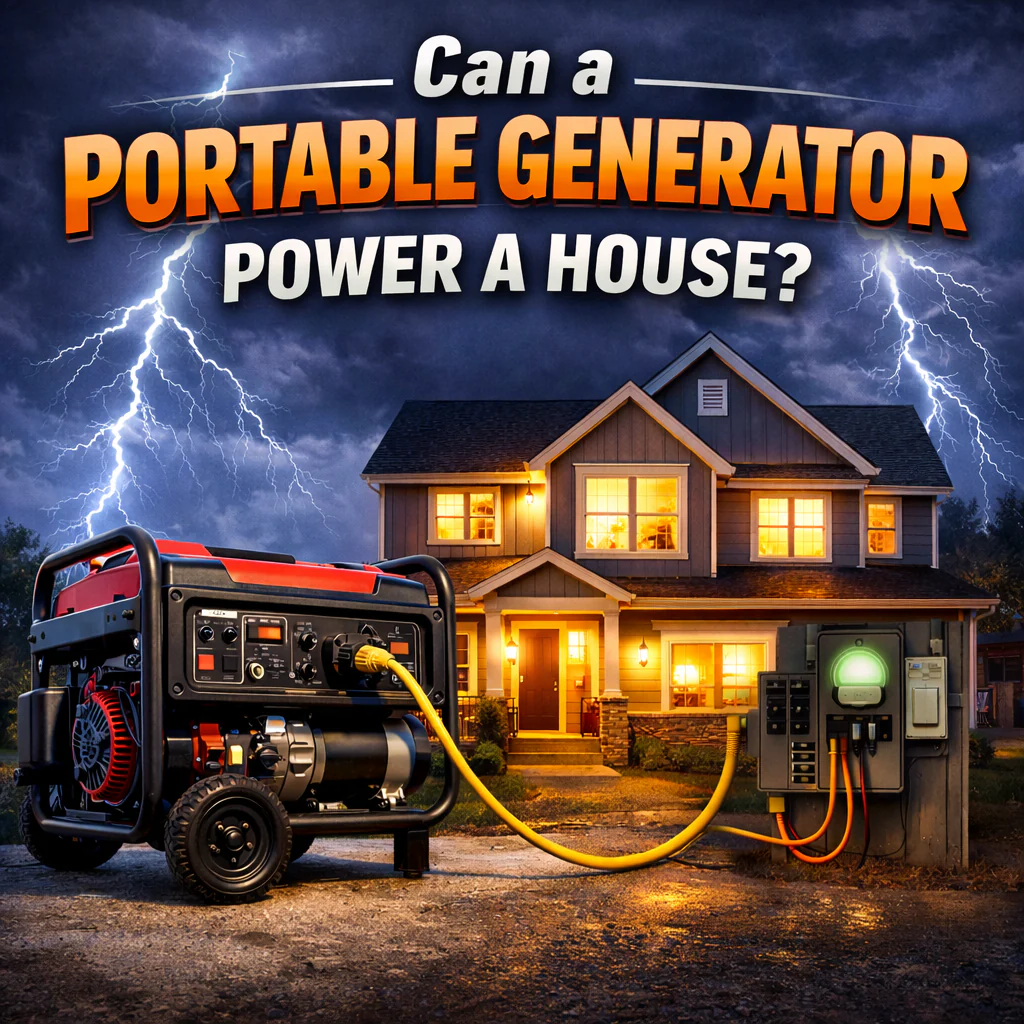
For buyers comparing backup options, this is where the system design starts to matter. A portable generator typically pairs with a manual transfer switch or an interlock setup where allowed by code. A standby generator usually uses an automatic transfer switch sized for the home or for a dedicated essential-load subpanel.
Transfer switch installation guide: start with the right switch
The right switch depends on the generator type, the number of circuits you want to power, and whether you are backing up essentials or the whole house.
A manual transfer switch is common for portable generator setups. It is usually more affordable and works well if your outage plan is focused on essentials like the refrigerator, furnace blower, sump pump, internet equipment, and a few lighting circuits. The trade-off is convenience. Someone has to be home, start the generator, connect it correctly, and move the switch.
An automatic transfer switch is the standard choice for standby generators. It adds cost, but it also removes steps during an outage. If your goal is backup power that works even when you are away from home, this is usually the better fit.
Sizing matters too. The switch amperage must match the application. A whole-house standby setup might use a 200-amp automatic transfer switch, while a smaller essentials-only setup may use a lower-capacity switch feeding selected circuits. The switch also needs to match voltage and phase requirements, which is why this is not a buy-first, figure-it-out-later item.
Why DIY is limited here
Many home backup products are friendly to capable DIY buyers. Transfer switch installation is different. In most areas, this is electrical work that requires permits, inspection, and a licensed electrician. Even where a homeowner is legally allowed to do some electrical work, the stakes are high enough that professional installation is usually the smart move.
The issue is not just mounting a box and landing a few wires. The installer has to evaluate service size, panel space, grounding and bonding, inlet placement, conductor sizing, and local code requirements. If the switch is wrong for the generator or the circuits are poorly chosen, the backup system can become frustrating or unsafe.
A good rule is simple: homeowners can and should understand the process, but most should not perform the final installation themselves.
The basic installation process
A practical transfer switch installation guide should make the workflow clear, even if you plan to hire the job out.
1. Load planning comes first
Before any hardware is installed, the electrician identifies what needs backup power. For an essentials setup, this usually includes refrigeration, some kitchen outlets, heating equipment controls or blower motors, medical devices, garage door access, internet equipment, and a few lights. Central air conditioning, electric water heaters, electric dryers, and ranges are often excluded unless the generator is large enough.
This step prevents the most common buying mistake: choosing a switch and generator combination that looks fine on paper but cannot support real household needs.
2. The installer verifies compatibility
Next comes matching the generator output to the switch and the panel arrangement. Portable generators often feed a manual transfer switch through an exterior power inlet box. Standby generators connect permanently to an automatic transfer switch that sits between the utility meter and the main panel, or between the main panel and an essential-load subpanel.
The electrician also checks whether your existing service equipment has the space and configuration needed for the planned setup.
3. Permits and code requirements are addressed
This part is less exciting, but it matters. Most jurisdictions require permits and inspection for transfer switch work. Local code may also affect inlet location, disconnect requirements, conductor type, and how the equipment is labeled.
Skipping permits can create problems later with insurance claims, resale, and service work.
4. The switch and inlet are installed
For a portable generator setup, the installer typically mounts the transfer switch near the main panel and installs an outdoor inlet box in a location that keeps the generator at a safe operating distance from doors, windows, and vents. The switch is then wired to the selected circuits.
For a standby system, the automatic transfer switch is installed as part of the permanent generator system. This usually involves utility coordination and a more involved wiring sequence, especially on whole-house systems.
5. Testing is not optional
Once installed, the system needs to be tested under realistic conditions. That means verifying transfer operation, confirming selected circuits are energized correctly, checking load behavior, and making sure the homeowner understands the startup and shutdown process if it is a manual system.
This is where a professional install earns its keep. A clean test run tells you whether the setup will actually perform when the weather is bad and the outage is real.
Manual vs. automatic: which makes more sense?
This decision usually comes down to budget, generator type, and how much convenience you want.
Manual transfer switches make sense when you already have or plan to buy a portable generator, your budget is tighter, and you only need critical circuits. They are a practical fit for many homeowners who want outage coverage without stepping into full standby-generator pricing.
Automatic transfer switches make sense when uninterrupted convenience matters more, when the generator is permanently installed, or when the property needs backup power even if nobody is home. They cost more up front, but they remove guesswork and delay during an outage.
There is no single right answer. If you lose power a few times a year for short periods, a manual setup may be all you need. If outages are frequent, prolonged, or affect medical devices, freezers full of food, or business equipment at home, automatic transfer can be worth the extra cost.
Common mistakes to avoid
The biggest mistake is trying to power a home through a dryer outlet or another improvised backfeed method. That is unsafe, often illegal, and exactly what transfer switches are designed to prevent.
Another common issue is undersizing the system. Homeowners sometimes choose a generator based on promotional wattage but forget about starting loads, especially from pumps and HVAC equipment. The result is a system that trips breakers or forces hard choices during an outage.
Poor circuit selection is another problem. Backing up a microwave but not the furnace blower or sump pump can leave you with power in the wrong places. Good planning is not about the most circuits. It is about the right circuits.
Finally, do not overlook placement. Portable generators must stay outside, far enough from openings to avoid carbon monoxide risk. The transfer switch does not change that rule.
What does installation usually cost?
Costs vary by region, equipment type, panel complexity, and whether you are installing a portable-generator transfer switch or a full automatic standby system. A manual transfer switch installation is generally far less expensive than a whole-house automatic transfer switch installation, but labor can still increase if the panel is crowded, service upgrades are needed, or the inlet location is difficult.
For shoppers comparing total backup cost, it helps to think in system terms rather than product-only pricing. The generator, transfer equipment, inlet box, permits, wiring, labor, and possible panel work all belong in the same budget conversation. That is often where a retailer like GenVault can help buyers narrow the hardware side before they speak with an electrician.
Questions to ask before you buy
Before choosing a switch, ask yourself how you want outages to feel. Are you trying to keep a few essentials alive for a day or two, or do you want near-normal operation with minimal interruption? That answer shapes everything from generator size to switch type.
You should also ask whether your home has any must-run loads, such as a well pump, sump pump, medical equipment, or home office gear. Those needs usually deserve priority over convenience loads.
And ask who will operate the system. If the person at home during an outage is not comfortable managing cords, startup procedures, and load balancing, an automatic solution may be the better long-term choice even if the initial cost is higher.
A transfer switch is not the flashy part of a backup power setup, but it is one of the most important. Get this part right, and the generator you choose becomes safer, easier to use, and far more useful when the grid lets you down.