
A portable power station can look perfect on a product page and still disappoint the first time you actually need it. That usually happens during an outage, on a campsite, or at a jobsite when you realize the battery is too small, the output is too limited, or the recharge time is much slower than expected. If you’re wondering how to choose portable power station options without overpaying or coming up short, the answer starts with your real power needs, not the biggest number on the box.
How to Choose Portable Power Station for Your Use Case
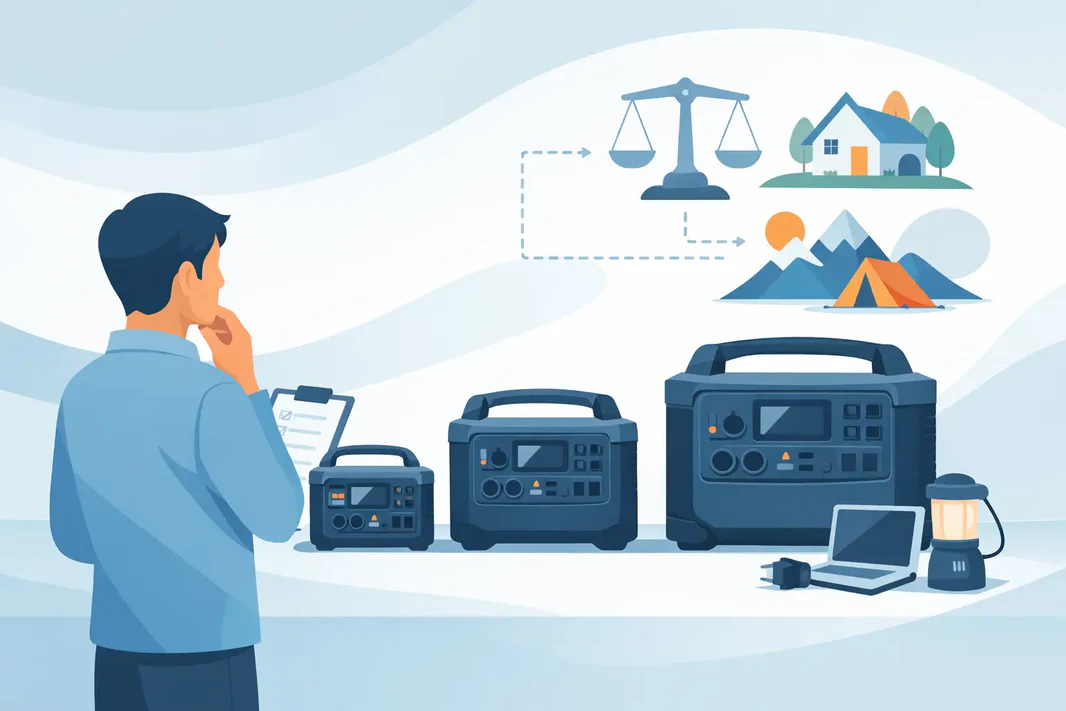
The fastest way to narrow the field is to decide what problem you’re trying to solve. A power station for charging phones and running a laptop on weekend trips is a very different purchase from a unit meant to keep a fridge, router, lights, and medical devices running during a blackout.
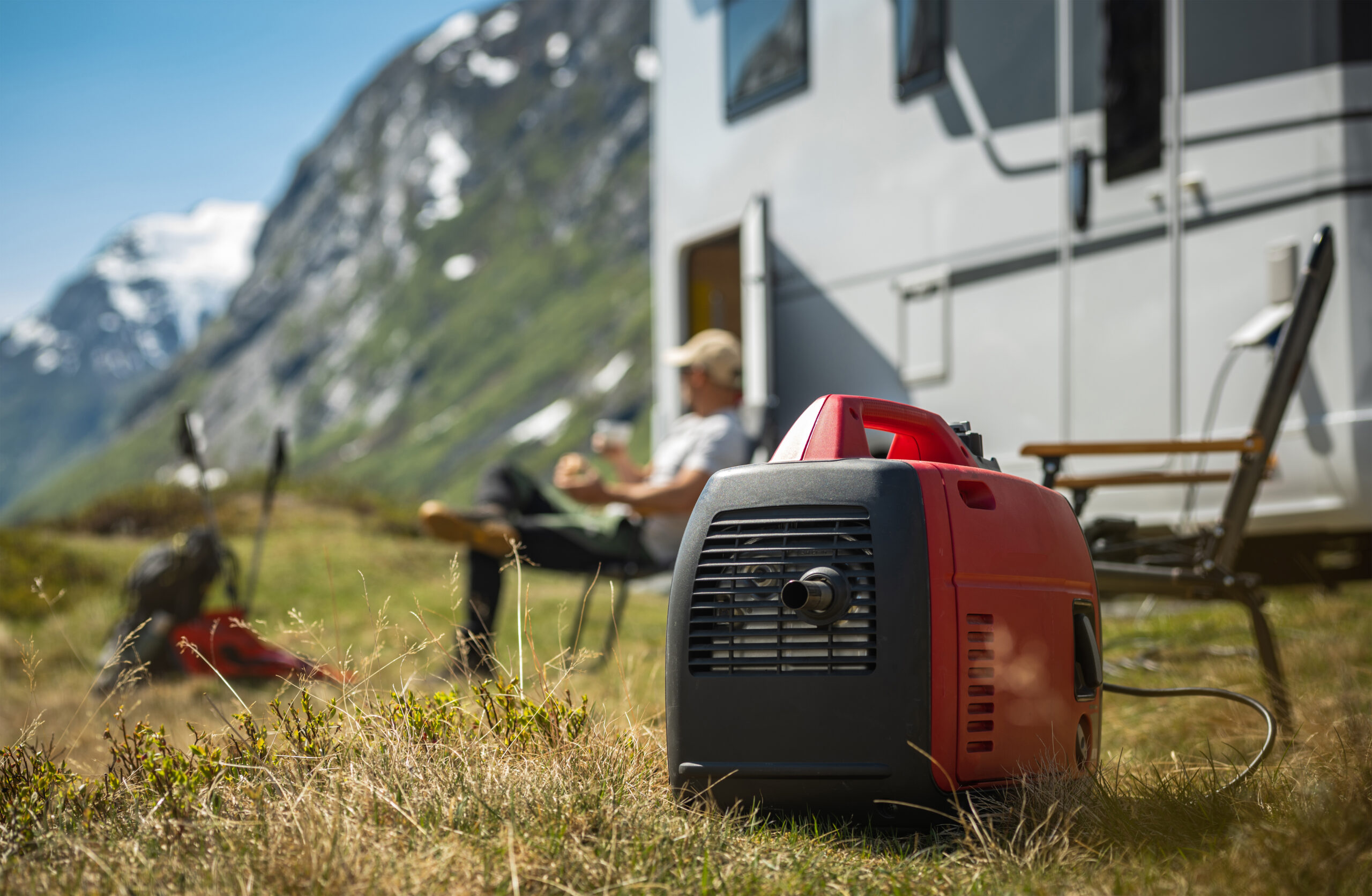
For camping and tailgating, portability usually matters most. You may want a lighter unit with enough capacity for phones, lights, fans, a portable fridge, or small cooking accessories. For RV use, battery capacity and charging flexibility become more important because you may want to recharge from shore power, solar panels, or a vehicle while moving.
For home backup, output and runtime matter more than weight. Many buyers focus on battery size first, but a power station also has to deliver enough running watts and surge watts for the appliances you plan to use. A large-capacity unit that cannot start your refrigerator is still the wrong unit.
If you work remotely, think beyond emergencies. A portable power station can support laptops, monitors, networking equipment, power tools, or mobile workstations. In that case, port selection and recharge speed may matter just as much as raw capacity.
Start With Wattage and Watt-Hours
Two numbers shape almost every buying decision: watts and watt-hours. Watts tell you how much power a unit can deliver at one time. Watt-hours tell you how much energy it stores.
This is where many shoppers get tripped up. If you want to run a 60W laptop charger, a 500W portable power station can handle that load easily. But if the station only stores 300Wh, it will not run that charger all day. On the other hand, a 1500Wh unit may provide long runtime, but if its inverter output is too low for your appliance’s startup surge, it still will not work for that application.
A simple way to think about it is this: output determines what you can run, and capacity determines how long you can run it.
For small electronics, a compact unit may be enough. For CPAP machines, portable fridges, TVs, routers, and home office gear, mid-size units often make more sense. For sump pumps, refrigerators, microwave use, or several devices at once, you may need a larger station with substantially higher inverter output.
Make a Real Device List Before You Buy
The best answer to how to choose portable power station capacity is to write down exactly what you want to power. Not the ideal future setup. The actual devices you expect to use.
Check the wattage for each item. Some devices have a label on the charger or appliance. Others list power draw in the manual. If a refrigerator runs at 150W but starts at a much higher surge, you need a unit that can handle both. If you plan to run several devices together, add their wattages.
Then estimate runtime. A 1000Wh station will not deliver a full 1000Wh to your appliances because some energy is lost in conversion. Real-world runtime is always lower than the headline number. That matters if you’re buying for outage protection, where the difference between theory and actual performance becomes very obvious.
If your list includes only phones, tablets, lights, and a laptop, buying too large can be unnecessary. If your list includes essentials during a blackout, buying too small is the more common mistake.
Common sizing mistakes
One mistake is buying based on one appliance instead of the full load. Another is ignoring startup surge. A third is assuming solar charging will keep up with usage in any weather. It depends on sun conditions, panel size, charging input limits, and how much power you’re using while recharging.
Battery Type Matters More Than Many Buyers Realize
Not all portable power stations age the same way. Battery chemistry affects lifespan, weight, safety profile, and value over time.
Many newer premium units use LiFePO4 batteries. These are popular because they generally offer longer cycle life and better long-term durability than older lithium-ion designs. For buyers who expect frequent use, that can be a strong advantage. If you’re using the station for RV travel, work, or regular backup readiness, cycle life matters.
Traditional lithium-ion models are often lighter and sometimes more compact for the same general application. That can still make sense if you prioritize lower carry weight or occasional use. The trade-off is that lifespan and long-term value may differ.
This is one of those areas where the cheapest option is not always the best deal. A lower upfront price can look attractive until you compare expected battery life, warranty terms, and how often you plan to use the unit.
Check Ports, Outlets, and Charging Input
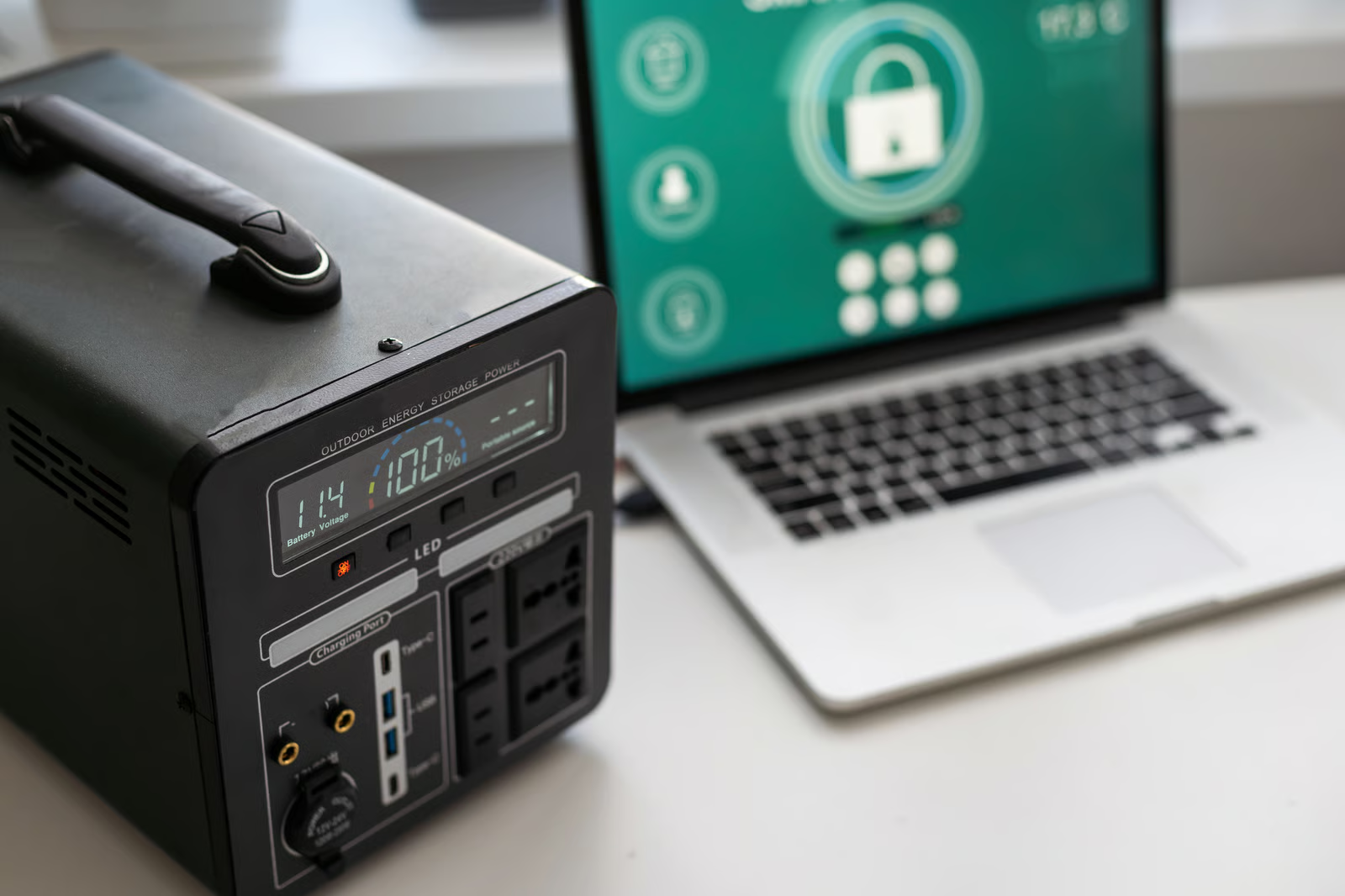
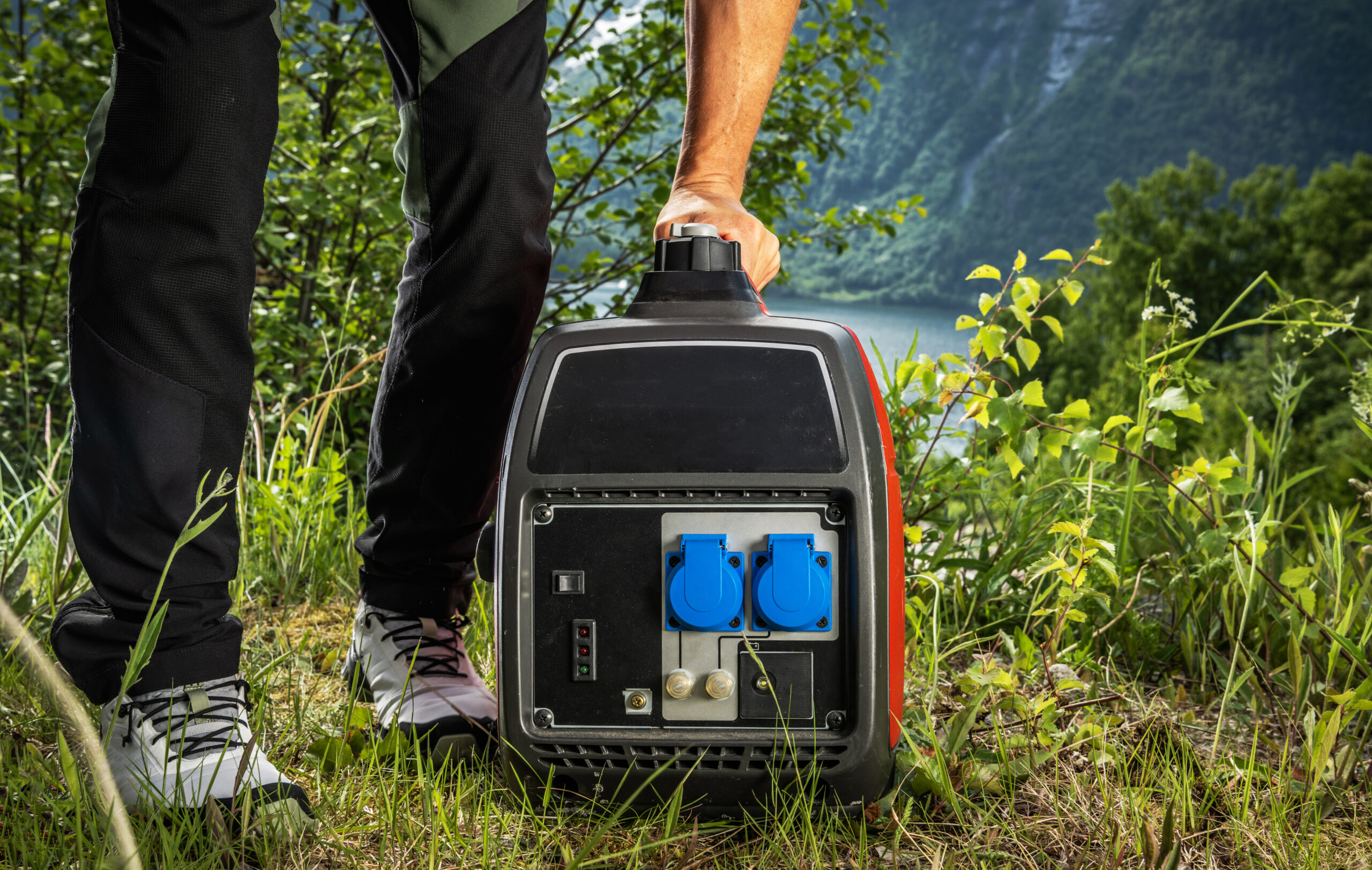
A portable power station may have enough battery and output, but still be inconvenient if the connection options don’t match your gear. Look closely at the AC outlets, USB-A, USB-C, 12V car ports, and any specialty outputs you may need.
This matters for families and mobile users because people rarely charge just one thing at a time. You may want to run a router while charging phones, power a laptop, and keep lighting connected. A better port mix can make daily use much easier.
Input options matter too. Wall charging is standard, but many buyers also want car charging and solar charging. If solar readiness matters, don’t stop at the phrase “solar compatible.” Look at the maximum solar input, supported voltage range, and how long it realistically takes to recharge.
A power station with large battery capacity but slow recharge can be frustrating during extended outages. Faster AC charging is helpful for storm prep, especially when you want to top off the battery quickly before weather arrives.
Think About Weight Before You Think About Features
It is easy to shop by specs and forget that someone has to move the unit. A large power station may be ideal for backup, but if it weighs enough that you avoid carrying it, portability becomes theoretical.
For camping, van life, tailgating, and jobsite use, size and handle design matter. For home backup, a heavier unit may be fine if it stays in one place. Some buyers are better served by two smaller units rather than one large station, especially if they need flexible placement or easier transport.
This is also where expandable systems enter the conversation. Some models allow extra battery packs for more capacity. That can be a good fit if your needs may grow, but it also adds cost and complexity. If you only need basic outage coverage for a few essentials, a simpler setup may be the smarter purchase.
Noise, Maintenance, and Indoor Use
One reason many buyers choose a portable power station over a gas generator is convenience. Battery power stations are typically much quieter, require less maintenance, and can be used indoors when operated as intended. That makes them especially appealing for apartments, garages, bedrooms, RVs, and family spaces where engine noise and fuel storage are a hassle.
Still, there are limits. A portable power station is not automatically a whole-home backup solution. If you need to run central air, large well pumps, electric dryers, or major heating loads, a battery unit may not be the right standalone answer. In those cases, it helps to compare battery backup options against inverter generators, standby generators, or a layered emergency power plan.
For many households, the best value is not replacing every power source. It is covering the most important loads cleanly and reliably.
Price Should Follow Value, Not Just Capacity
Bigger batteries cost more, but the lowest price per watt-hour is not always the best buying strategy. A well-matched unit with the right output, battery chemistry, charge speed, and warranty will usually serve you better than an oversized discount model that misses one critical feature.
Look at what you’re getting for the money. Is the inverter strong enough for your appliances? Does the battery chemistry support the way you’ll use it? Are the ports useful? Is solar charging realistic for your plans? A practical buyer compares the full package, not just one headline spec.
If you’re shopping across categories, GenVault’s product mix reflects a reality many customers face: sometimes a portable power station is the right answer, and sometimes a fuel-based backup product or a larger home solution makes more sense. The best choice depends on how much power you need, where you need it, and how long you need it to last.
How to Choose Portable Power Station Without Regret
Buy for the job you actually need to do most often. If outages are your main concern, prioritize essentials and runtime. If mobility matters, pay close attention to weight and charging flexibility. If you’ll use the unit often, battery chemistry and recharge speed deserve more attention than flashy marketing numbers.
A good portable power station should feel predictable. It should power what you expect, last as long as you planned, and recharge in a way that fits your routine. When you choose based on real usage instead of inflated assumptions, you end up with backup power that is ready when you need it, not just impressive on paper.