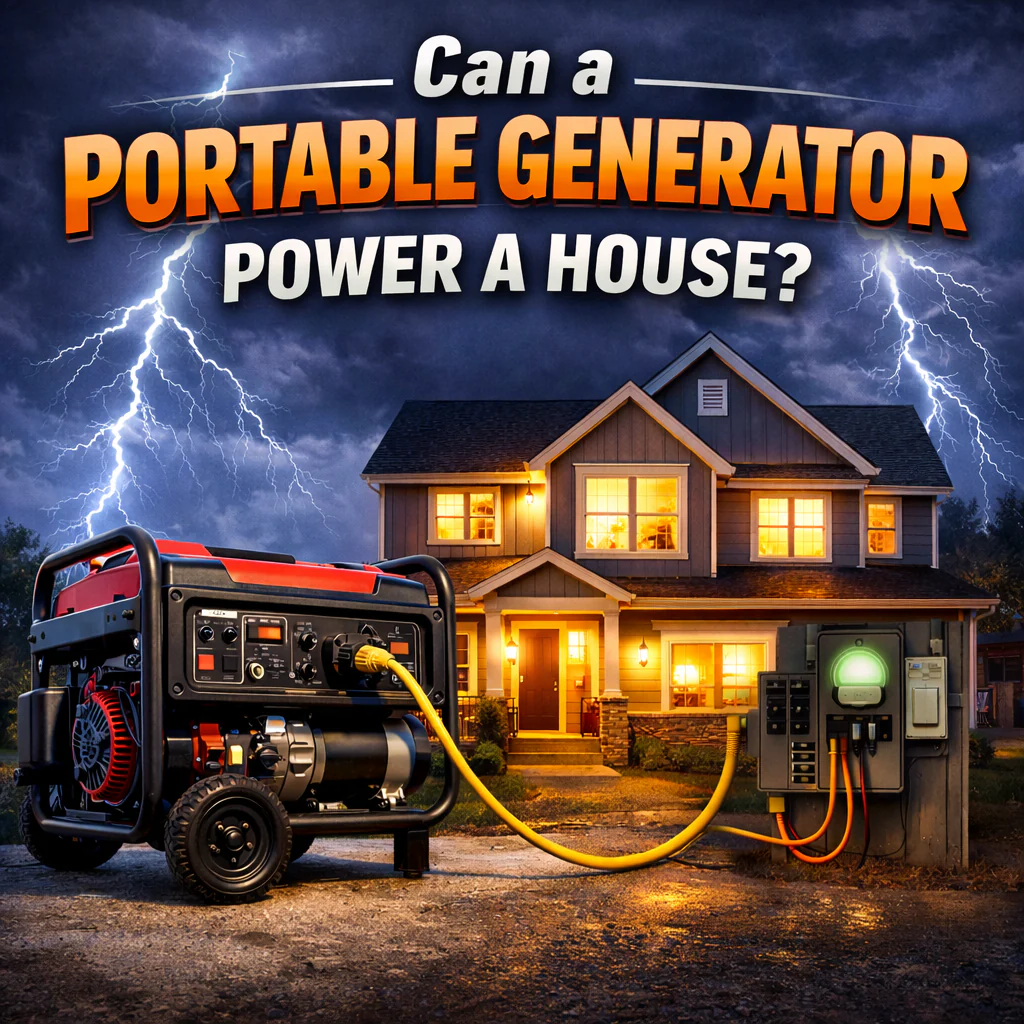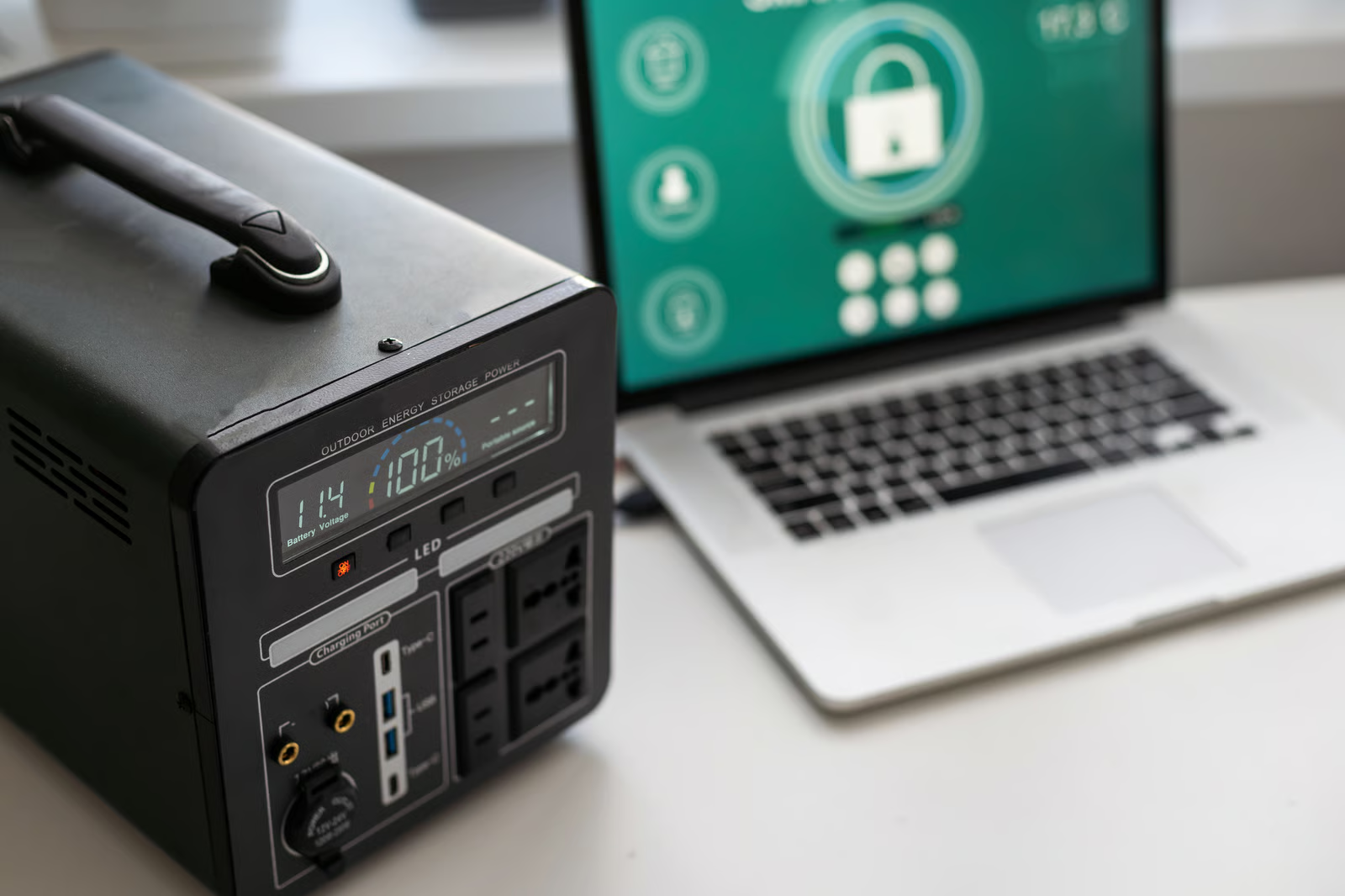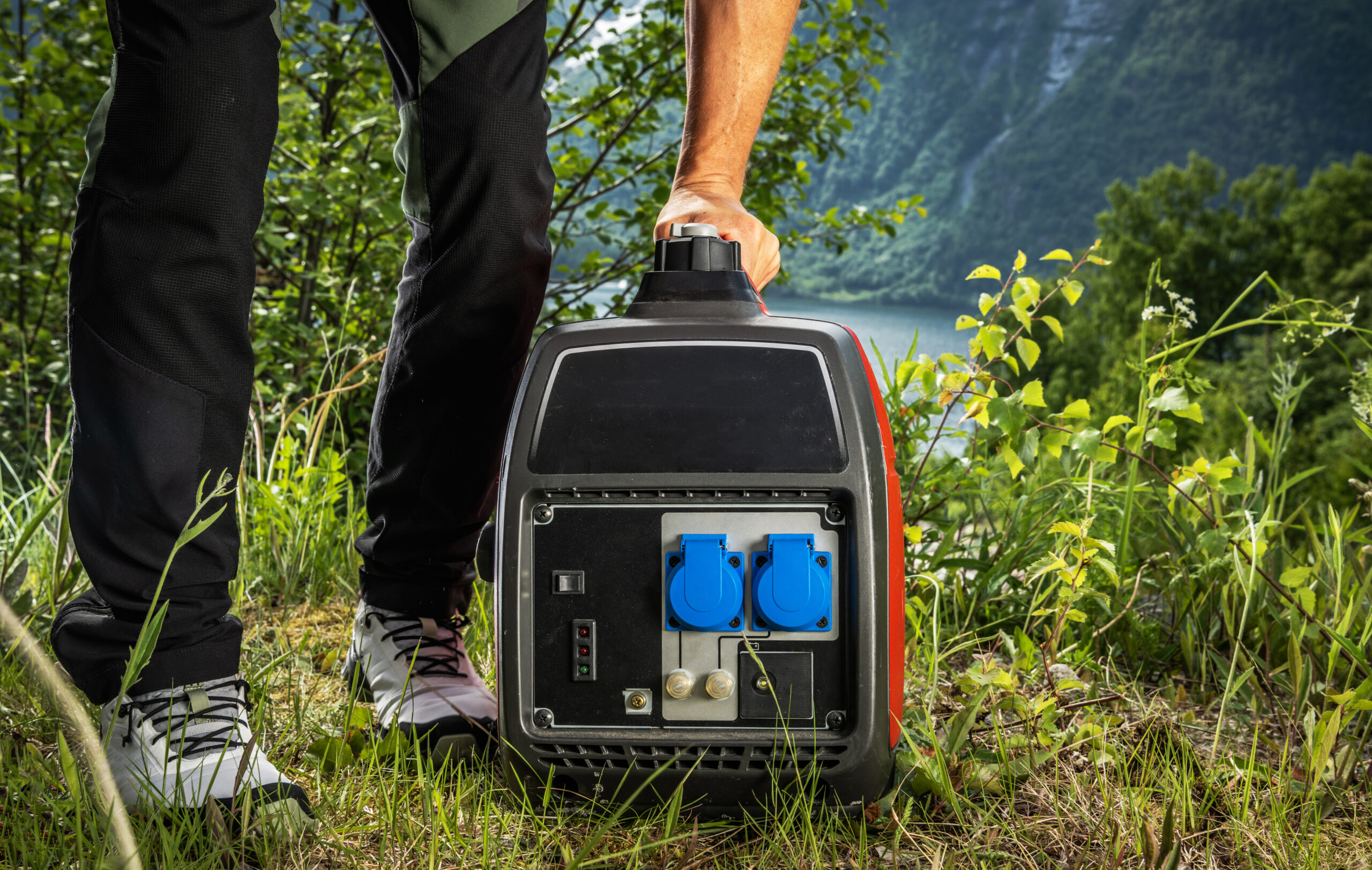

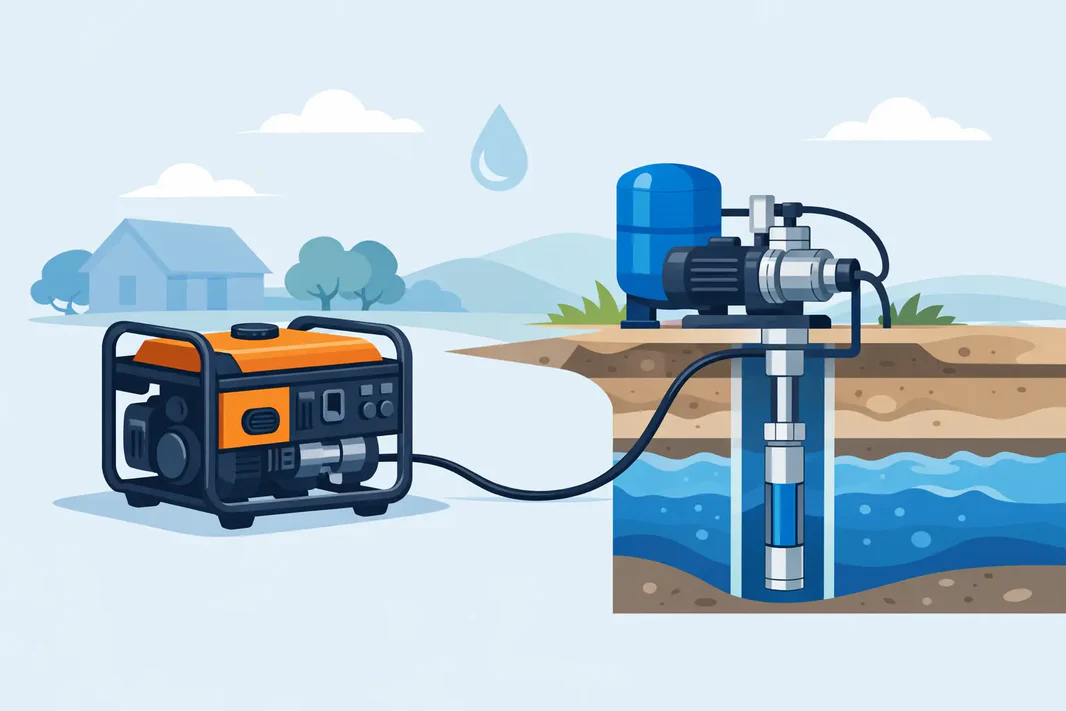
When the power goes out, a well pump stops being a convenience and starts being the thing that decides whether your home can function normally. If you’re shopping for a generator for well pump use, the real question is not just wattage. It is whether the generator can handle the pump’s startup surge, run reliably for hours, and fit the rest of your backup power plan.
Why a well pump is harder to power than it looks
A well pump may only list a modest running wattage, but electric motors draw a much higher surge when they start. That startup demand is what trips up a lot of generator buyers. A unit that seems large enough on paper can still struggle if it cannot deliver enough starting watts for a split second when the pump kicks on.
That matters even more with deep well systems, larger horsepower pumps, and setups that include pressure tanks, control boxes, or additional water equipment. If your goal is dependable water during an outage, you want margin, not a generator that is operating at its limit every time the pump cycles.
How to size a generator for well pump loads
The cleanest way to size a generator is to identify three numbers: your pump voltage, its horsepower, and its starting versus running watt requirements. Most residential well pumps are 120V or 240V and commonly fall in the 1/2 HP to 1 HP range, though some homes use larger systems.
As a rough guide, a 1/2 HP well pump may run around 1,000 to 2,000 watts but require substantially more at startup. A 3/4 HP or 1 HP pump can easily push startup demand into a range where a small portable unit is no longer enough. That is why shoppers often end up needing more generator than they expected.
If the pump label does not clearly show wattage, look for volts and amps, then estimate running watts by multiplying them. Starting watts are harder to pin down because motor surge varies by pump type and age. In many cases, a generator should have at least two to three times the running wattage available to handle startup comfortably.
Typical size ranges homeowners consider
For smaller shallow well pumps, some homeowners can get by with a portable generator in the 3,500 to 5,000 watt range. For many deep well pumps, 5,000 to 7,500 watts is a more realistic starting point. If you want the generator to run the well pump plus essentials like a refrigerator, lights, a freezer, or a furnace blower, the total requirement climbs fast.
That is where whole-home and larger portable backup plans start to make sense. A generator sized only for the pump may save money upfront, but it can feel limiting in a real outage.
Portable generator, inverter generator, or standby unit?
The right answer depends on how you plan to use backup power.
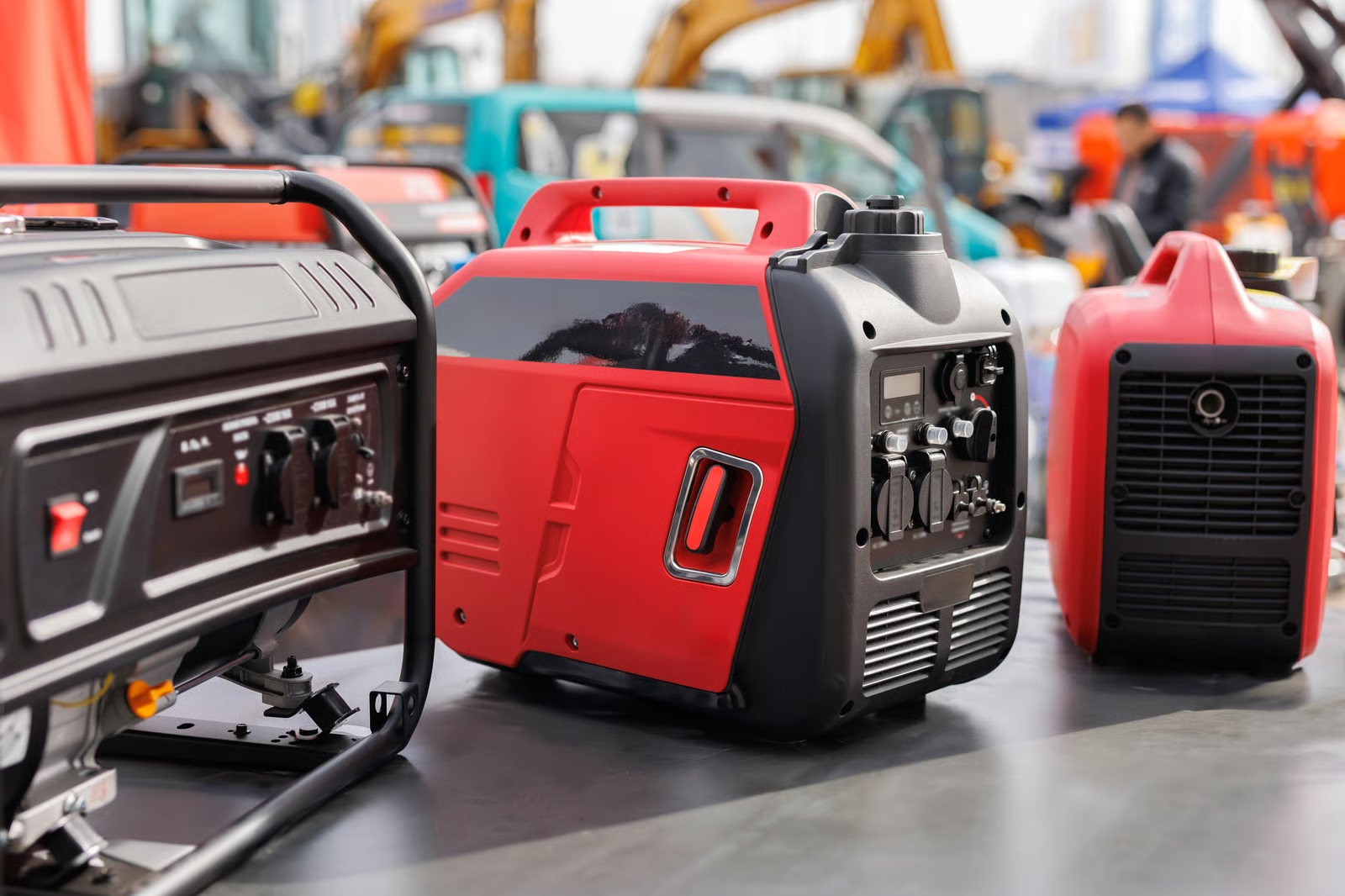
A conventional portable generator is often the most practical choice for a well pump because it delivers strong starting watt capacity at a lower cost than many inverter models. If your well pump is the priority and portability matters, this is usually where shoppers start.
An inverter generator can work, but it depends on the model. Inverters are great for cleaner power, quieter operation, and fuel efficiency at variable loads. The trade-off is that smaller inverter units may not have enough surge capacity for a pump motor. Larger inverter generators can handle more, but the price may put them close to larger conventional units.
A standby generator is the premium option for homes that depend on well water and want automatic backup. If outages are frequent, last for days, or affect winter heating and household water at the same time, a standby unit removes a lot of stress. It also makes more sense when you want the pump to run along with multiple household circuits without managing extension cords or manual startup.
Fuel type matters more than many buyers expect
Gasoline portable generators are common because they are widely available and usually cost less upfront. For occasional outage use, they are often a solid fit. The trade-off is fuel storage. Gasoline has a shorter shelf life and requires more planning if you want to be outage-ready.
Propane gives you cleaner storage and easier long-term preparedness. It is a strong option for homeowners who want a backup unit that can sit ready between outages. The catch is that some generators produce less power on propane than on gasoline, which can matter if your well pump is already near the top of the generator’s output range.
Diesel is less common for average homeowners but can be a durable option for heavy-duty use. For residential well pump backup, it is usually considered when runtime and toughness matter more than portability or lower entry cost.
Dual-fuel models deserve attention because they give you flexibility. If one fuel is hard to get during a storm, having a second option can be a real advantage.
The outlet and connection issue buyers sometimes miss
A generator can have enough power on paper and still not be the right fit for your well pump setup. Many well pumps run on 240V, so the generator needs the proper 240V outlet and enough output to support that load. A 120V-only generator will not help if your pump requires 240V.
You also need to think about how the generator will connect to the pump circuit. Some homeowners use a transfer switch or interlock setup so selected circuits, including the well pump, can be powered safely. Others use a dedicated manual connection for the pump. What you should not do is improvise with unsafe backfeeding methods.
If you are not sure how your pump is wired, that is worth confirming before you buy. The generator decision gets much easier once you know the voltage and the connection method.
Don’t size only for the pump if you need the house to function
A lot of people start with one problem – keep the water running – then realize the outage affects much more than that. If you also need refrigeration, heating system support, internet, lights, sump pump operation, or battery charging, your generator should be sized around your real outage routine, not a single appliance.
That does not mean you need whole-home backup. It does mean you should be honest about what “enough” looks like for your household. A generator that barely starts the well pump may leave no headroom for anything else. A slightly larger unit often gives better day-to-day usability during an emergency.
Common mistakes when buying a generator for well pump use
The biggest mistake is focusing only on running watts. Startup surge is what makes motor loads different, and underestimating it is the fastest way to end up with a generator that disappoints.
Another common mistake is ignoring voltage requirements. If the pump needs 240V, that is not optional. The generator and connection plan have to match.
Noise and runtime are also easy to overlook. A generator may technically power the pump, but if it is loud, fuel-hungry, and needs frequent refueling, living with it through a long outage gets old quickly.
Finally, some buyers choose the cheapest option without thinking about future needs. If your pump is mission-critical, reliability matters more than shaving a little off the initial price.
What size generator for well pump backup is usually enough?
There is no one-size-fits-all answer, but for many homes with a standard residential well pump, the practical buying range starts around 5,000 watts and often moves into the 6,500 to 8,500 watt range when startup surge and a few household essentials are included. Smaller systems may need less. Larger deep well pumps or whole-home plans may need much more.
If you want a simple rule, buy for starting demand first, then add the other loads you realistically need during an outage. Leave headroom so the generator is not constantly operating flat out.
A better way to think about value
The best value is not always the lowest price or the highest wattage. It is the generator that starts your well pump consistently, matches your fuel preference, fits your connection setup, and supports how you actually live during a blackout. For some homes that means a portable workhorse. For others it means stepping up to a larger dual-fuel unit or a standby system.
That is also why comparison shopping matters. Product specs, outlet configuration, runtime, and fuel flexibility can make one model far better for your home than another with a similar watt rating.
If you are shopping across portable, inverter, solar-ready, and backup power categories, GenVault’s approach makes sense for this kind of decision because well pump backup is rarely just about one spec. It is about building a setup you can count on when the grid is not there.
A good backup plan should let you stop thinking about whether the water will run and focus on everything else that outage is already throwing at you.