
A refrigerator going warm after six hours without power is when battery backup stops being a nice idea and becomes a real home priority. If you are shopping for the best battery backup home setup, the right choice depends less on brand hype and more on what you need to keep running, how long outages usually last, and whether you want silent indoor power, solar charging, or a full-home solution.
For some households, a compact battery system that keeps Wi-Fi, phones, lights, and medical devices running is enough. For others, the goal is backup for a sump pump, refrigerator, microwave, home office, or even central circuits through a transfer switch. The smart buy is the one that fits your load, your outage pattern, and your budget without leaving you short when the grid goes down.
What makes the best battery backup home option?
The best battery backup home system is the one that matches your real electrical demand. That starts with capacity, usually measured in watt-hours, and output, usually measured in watts. Capacity tells you how much energy is stored. Output tells you how much the unit can run at one time.
A lot of shoppers focus on capacity first, and that makes sense, but output matters just as much. A battery with plenty of stored energy still will not run a device if the inverter cannot handle its startup surge. Refrigerators, freezers, pumps, and power tools often need a higher surge rating than their running wattage suggests.
Battery chemistry matters too. Most modern home backup systems use lithium iron phosphate, often called LiFePO4. This chemistry is popular for good reason. It offers long cycle life, better thermal stability, and a solid balance of safety and longevity for home use. If you plan to use the system regularly, not just during emergencies, this is usually the better fit than older battery types.
Then there is recharge speed. A battery that takes all day to refill from a wall outlet may be fine for rare outages, but less useful during repeated interruptions. If your area sees storm-related outages over multiple days, faster AC charging or solar input can make a real difference.
Best battery backup home choices by use case
The biggest mistake buyers make is shopping for a single label like “whole-home” or “portable” without thinking through what they actually need powered. Battery backup works best when you size it around a use case.
For essential loads only
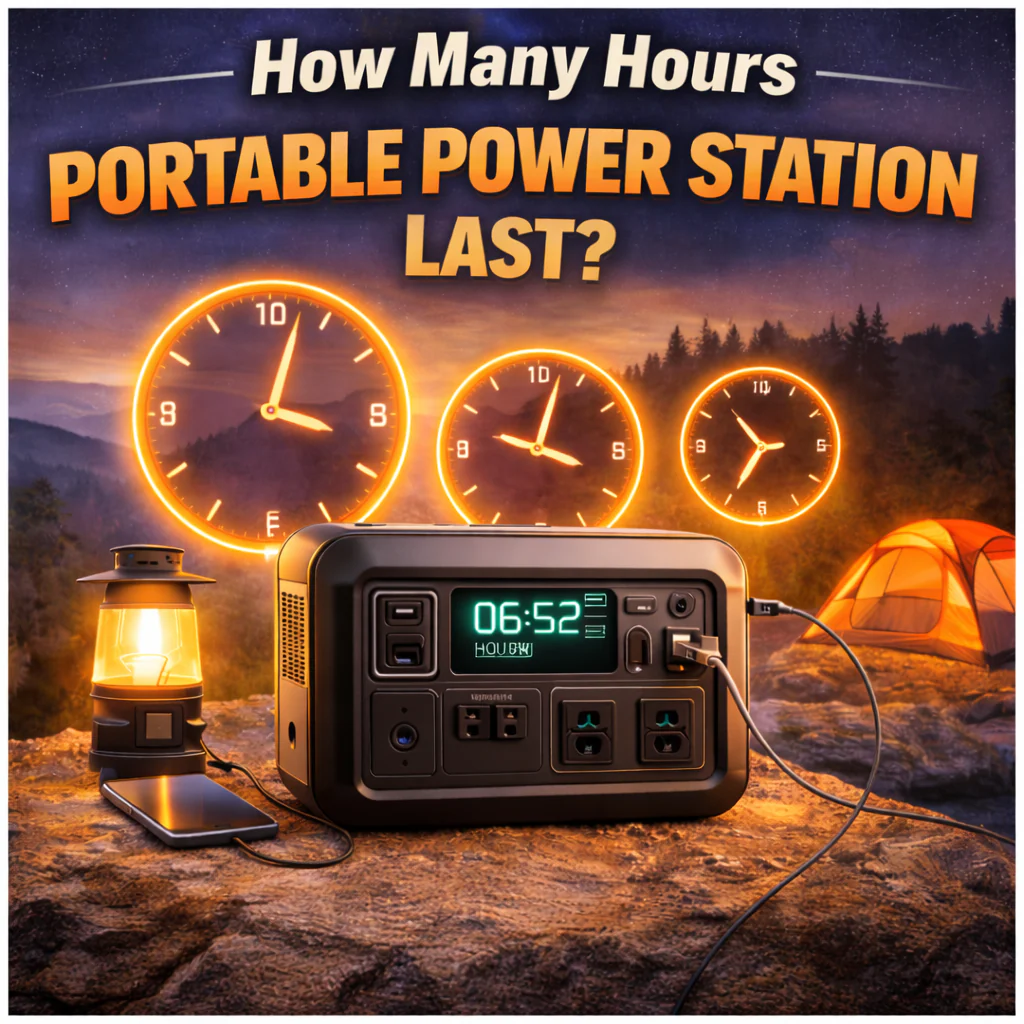
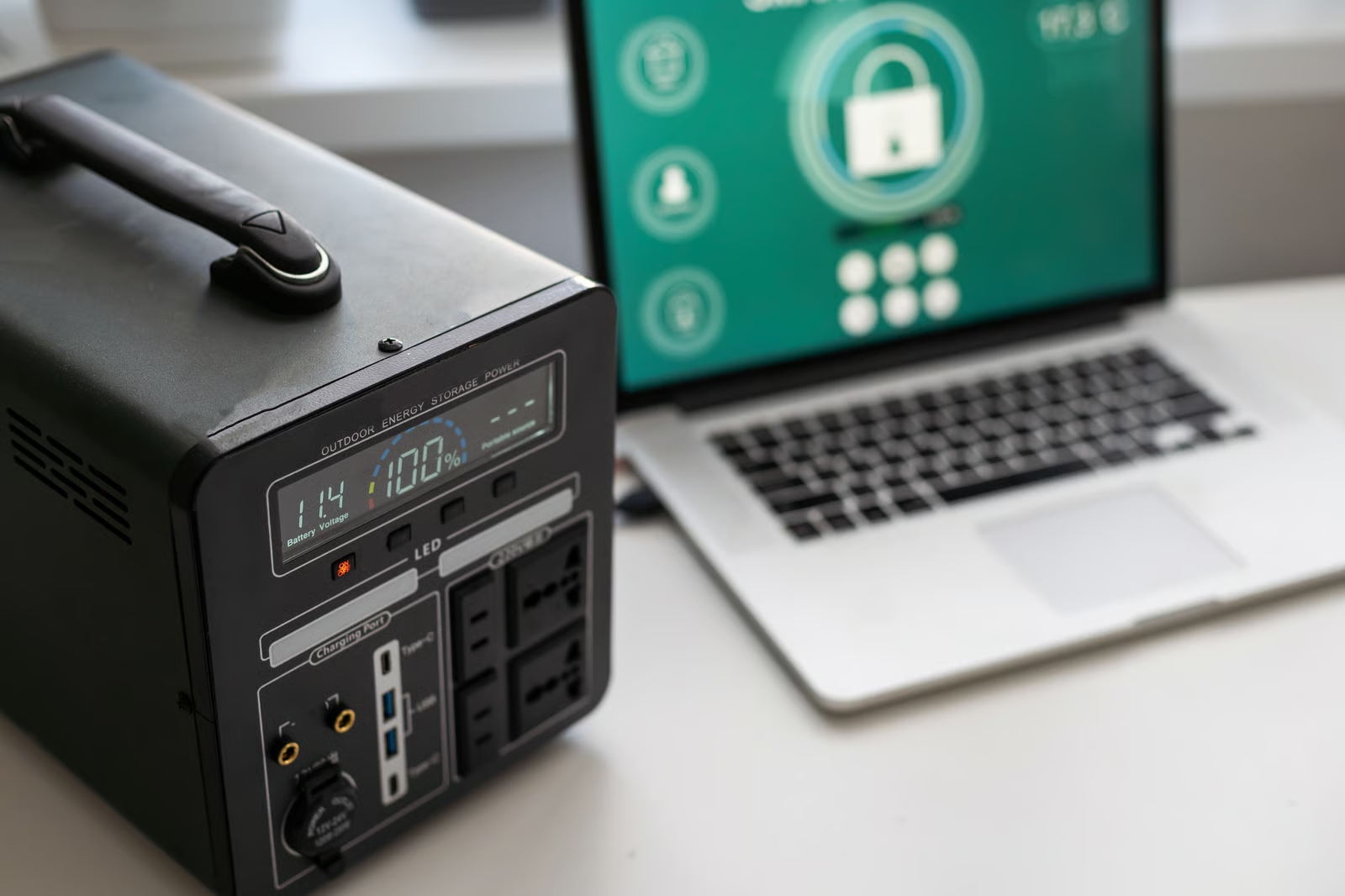
If your priority is keeping food cold, phones charged, internet live, and a few lights on, a mid-size portable power station often makes the most sense. These systems are easier to move, simple to plug in, and usually safe for indoor use because they do not rely on fuel combustion.
This category works well for apartments, smaller homes, and buyers who want backup without major installation. It is also a practical option if you only lose power a few times a year and want something that can double for camping, tailgating, or mobile work.
The trade-off is runtime and appliance support. You can usually cover essentials, but not everything at once. Electric dryers, large HVAC systems, ovens, and other heavy loads will quickly exceed what most portable battery systems can handle.
For longer outages and larger homes
If your goal is to run more circuits for longer periods, expandable battery systems are the stronger fit. These setups allow you to add extra battery modules and, in many cases, connect to home circuits more directly. That gives you more flexibility than a grab-and-go power station.
This is where planning pays off. A larger system may support refrigerators, freezers, lights, routers, TVs, garage door openers, and selected kitchen outlets together, especially if you manage loads carefully. But expectations still need to stay realistic. “Larger” does not always mean “whole house with no compromises.” If you want to run air conditioning, electric water heating, or multiple high-draw appliances together, capacity and inverter size need to scale up fast.
For whole-home backup expectations
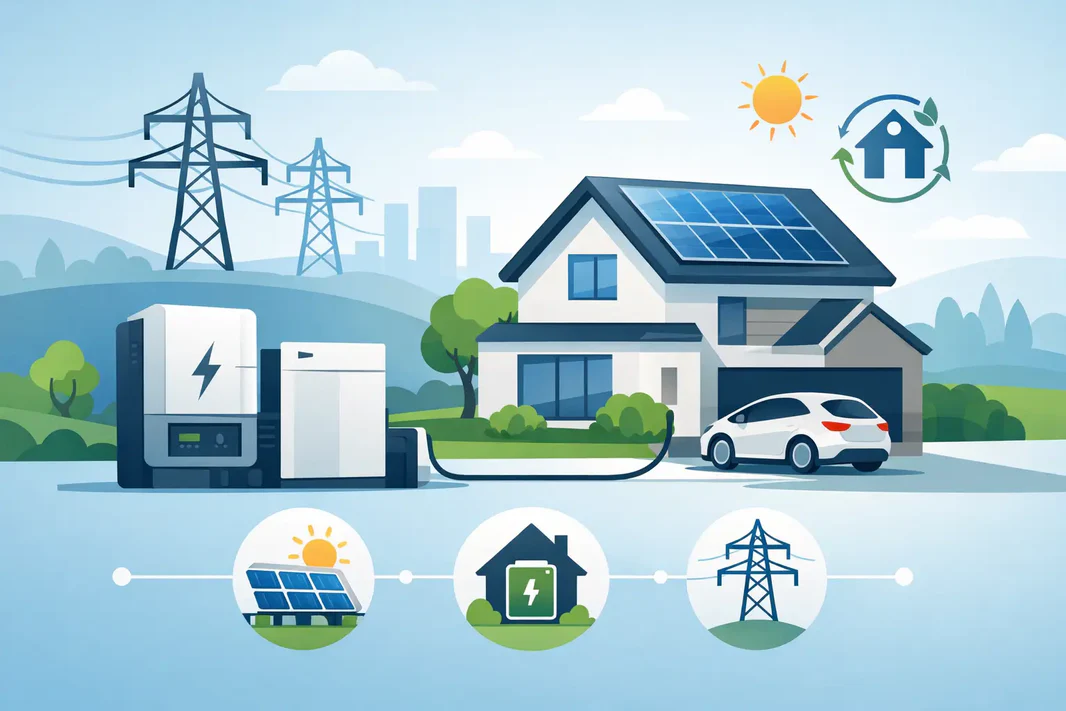
Some shoppers use the phrase best battery backup home to mean a system that replaces the feel of grid power during an outage. That is possible, but it usually involves a higher-end installed battery setup, electrical integration, and often solar for meaningful multi-day resilience.
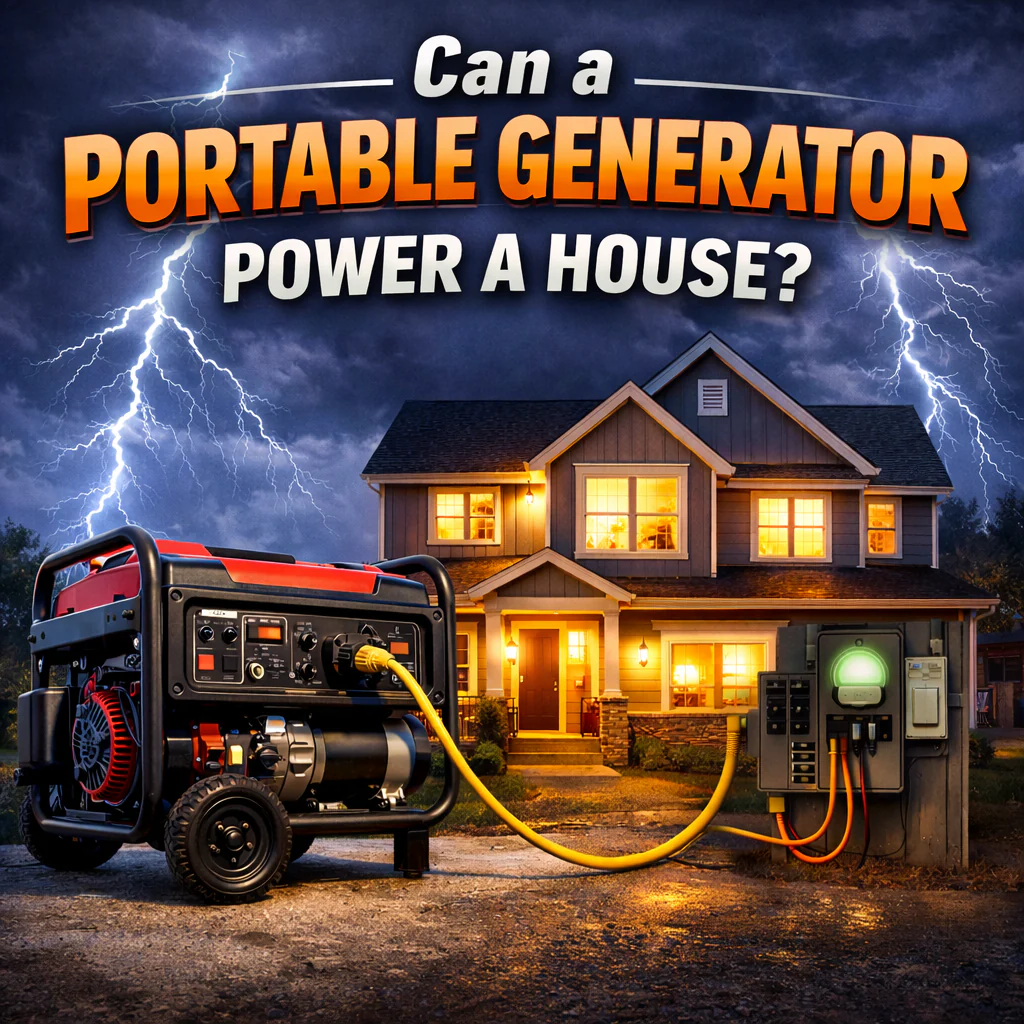
These systems are cleaner and quieter than fuel generators, but they are not always the cheapest route to full-home coverage. If your outages are frequent and you strongly prefer low noise, indoor-safe storage, and automatic operation, battery backup can be a very strong answer. If your main concern is covering large loads for extended outages at the lowest upfront cost, a generator may still be part of the conversation.
How to size a home battery backup correctly
Sizing comes down to two questions: what must stay on, and for how long?
Start with must-run devices. In many homes, that means a refrigerator, freezer, modem and router, phone charging, a few LED lights, and perhaps a CPAP machine or home office setup. Add up both the running watts and the likely hours of use. Then account for startup surges on motor-driven appliances.
For example, a refrigerator may not run continuously, but it cycles throughout the day. Internet equipment uses less power, but often needs to stay on the entire outage. A microwave has high wattage but short run time. A sump pump may be the most urgent load in a storm, even if it only runs intermittently.
That is why two homes with the same square footage can need very different systems. One family may only need backup for food preservation and communications. Another may need medical equipment, a pump, and work-from-home uptime. The better your load list, the better your purchase decision.
Battery backup vs generator for home outages
This comparison matters because many buyers are deciding between the two, not just among battery products.
Battery backup is quieter, requires less day-to-day maintenance, and can be used indoors. It is excellent for overnight outages, neighborhood power interruptions, and anyone who values low noise and simpler operation. It also pairs well with solar charging, which adds flexibility during longer outages.
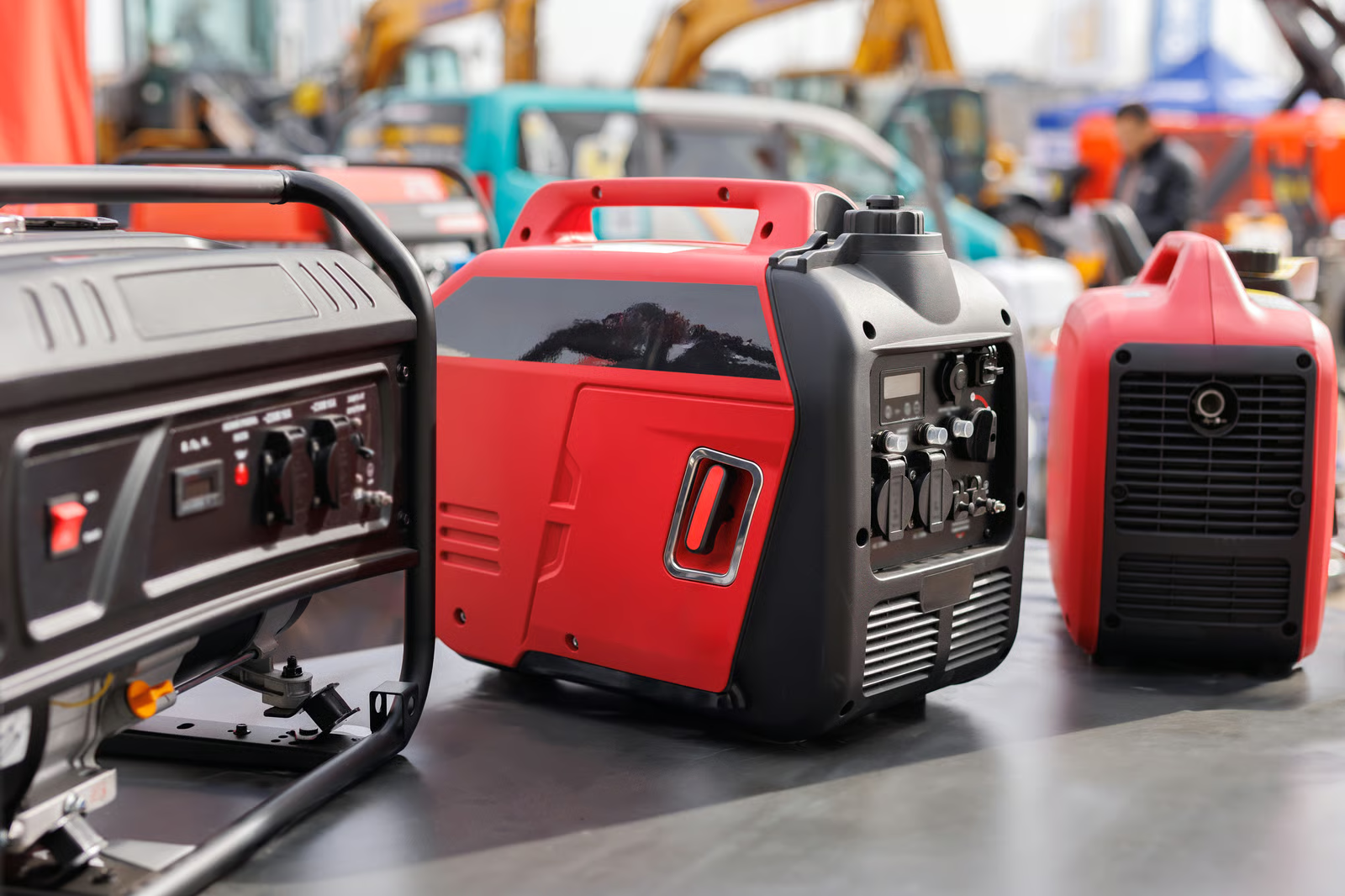
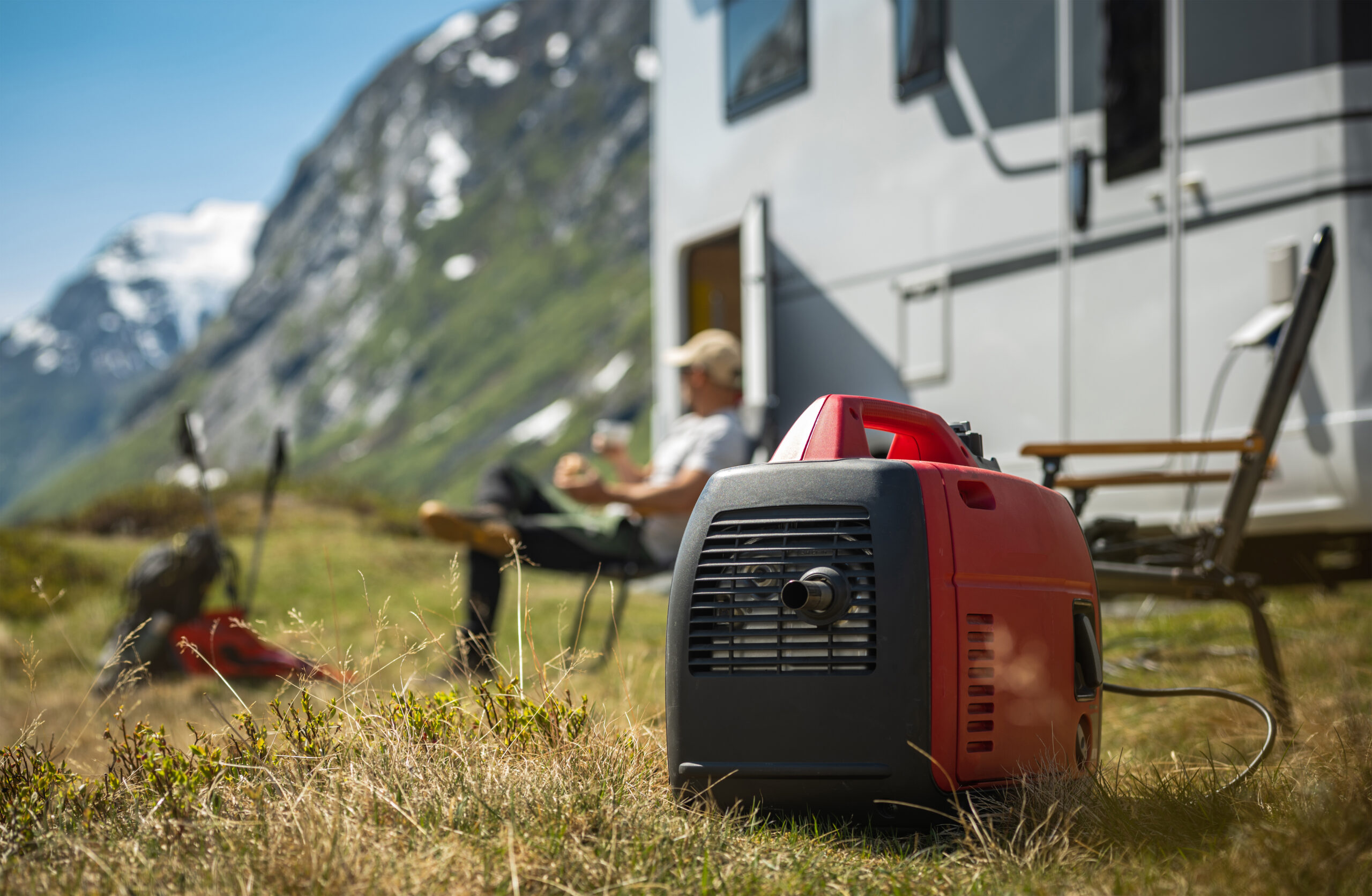
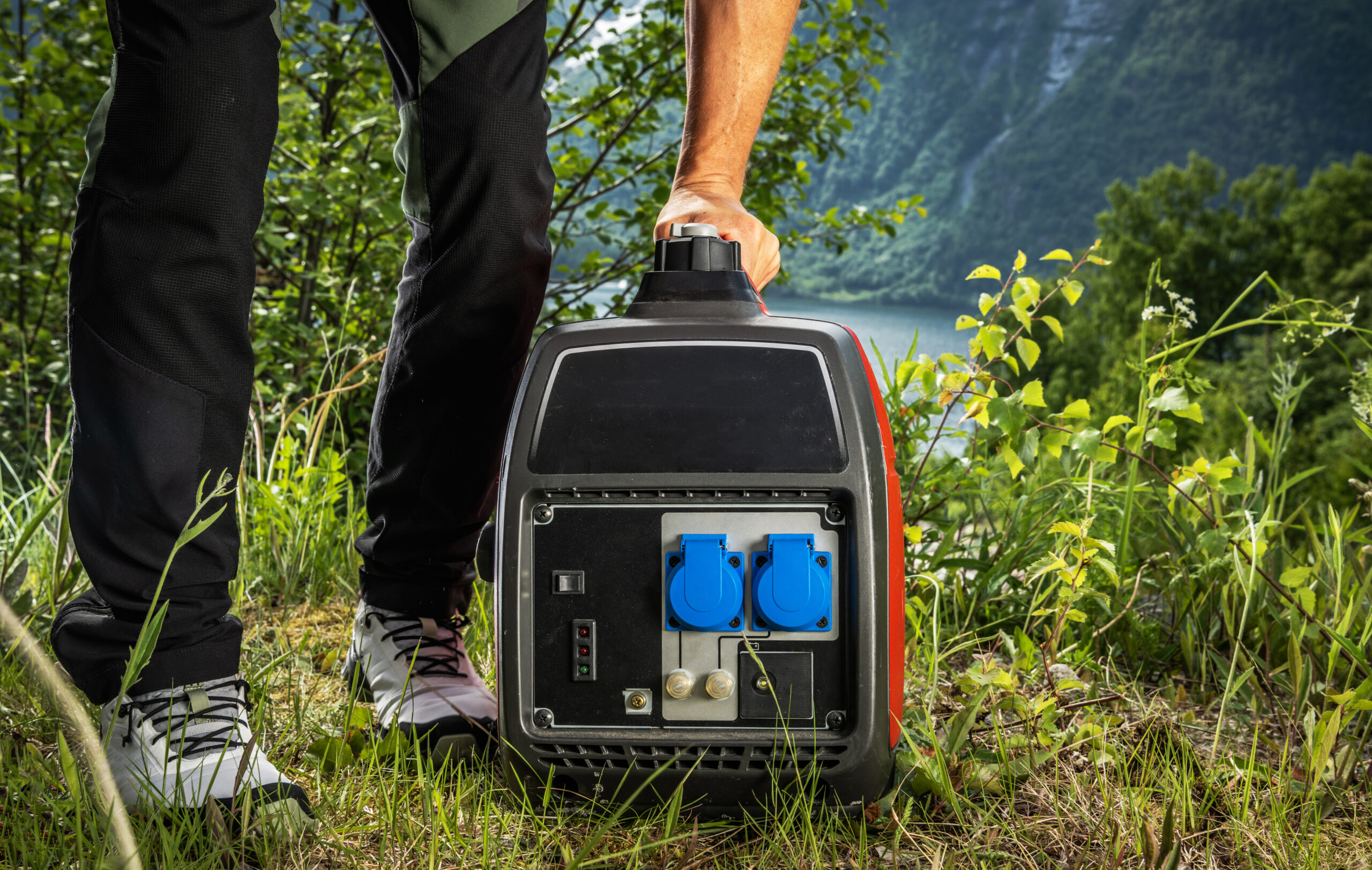
Generators still win on raw runtime if you have fuel available. They are often a better fit for high-demand loads and whole-home backup at a lower upfront cost than a large battery bank. The downsides are noise, emissions, fuel storage, and maintenance.
For many households, the real answer is not battery or generator. It is battery for everyday essentials and convenience, with generator backup for extended events or heavier loads. A retailer like GenVault is positioned well for this kind of comparison because shoppers can weigh both traditional and battery-based options in one place instead of forcing one solution onto every home.
Features worth paying for and features you can skip
A clear display, pure sine wave inverter, multiple AC outlets, and fast charging are usually worth it. If you plan to use solar, look closely at solar input limits. A battery with weak solar acceptance may sound solar-ready on paper but recharge too slowly to be practical.
App control can be useful, especially for monitoring battery percentage and input/output power, but it should not be the reason you buy. Expandability matters more if your needs may grow. If you think you may eventually back up more circuits, choosing a modular system now can save money later.
You can usually care less about extra novelty features like decorative lighting, oversized handles on a unit that will never move, or outlet counts that exceed what the inverter can realistically support. What matters is usable power, recharge flexibility, warranty support, and fit for your actual outage plan.
Best battery backup home buying mistakes to avoid
One common mistake is buying only for watt-hours and ignoring power output. Another is assuming every appliance runs at its label wattage without surge demand. A third is overestimating how long a battery will last when several devices run together.
There is also a tendency to shop emotionally after a blackout and buy either too small or far too large. Too small leads to frustration. Too large can tie up budget that might have been better spent on a smarter overall backup plan, such as combining battery storage with a transfer-ready generator or adding solar charging.
Installation is another factor. Plug-and-play units are straightforward, but integrated home systems may require more planning. That is not a reason to avoid them. It just means the best choice is the one you can actually use with confidence when the lights go out.
How to choose with confidence
If you want the best battery backup home setup for short outages and essential electronics, a portable power station with enough surge capacity for your fridge and enough storage for overnight use is often the practical sweet spot. If you want more runtime, more circuits, and a stronger path toward energy independence, an expandable battery system makes more sense. If you expect true whole-home performance, be prepared for a larger investment and a more deliberate installation plan.
The right system should feel clear, not confusing. It should cover your critical loads, recharge in a realistic timeframe, and leave room for the way you actually live. When you buy around real needs instead of marketing labels, battery backup becomes less of a guess and more of a plan you can count on the next time the grid fails.